Last Updated on February 26, 2026 by Homegrown Florida
I’ve tried, I’ve failed, and I am officially done wasting my precious garden space on these five plants. Every gardener has that list; the ones that never seem to work no matter how many tricks you try. And if you garden in a warm climate like Florida, this never grow again list will probably look familiar.
Table of Contents
This post may contain affiliate links. Read full disclosure here.
1. Traditional Spinach
Spinach and Florida just don’t get along. It bolts at the first hint of warmth, and “warm” is basically our default weather. You can only grow it during the coldest part of winter, and even then, you’re racing against the clock.
It prefers temperatures in the 60s, but our winter days hover closer to the 70s. If you want to grow it anyway, aim for a short window in January or February, because spinach does grow fast. The problem is that once it bolts, it turns bitter and loses that soft, mild flavor that makes spinach so good.
Instead, I’ve switched completely to tropical spinaches, like the Sisso spinach (my absolute favorite). It’s a ground cover that thrives in partial shade and can handle our humidity and rain. There are plenty of options to fit your taste or growing conditions like longevity spinach, Okinawa spinach, Egyptian spinach, Ethiopian kale, and even leafy hibiscus varieties like cranberry hibiscus and Turk’s cap.
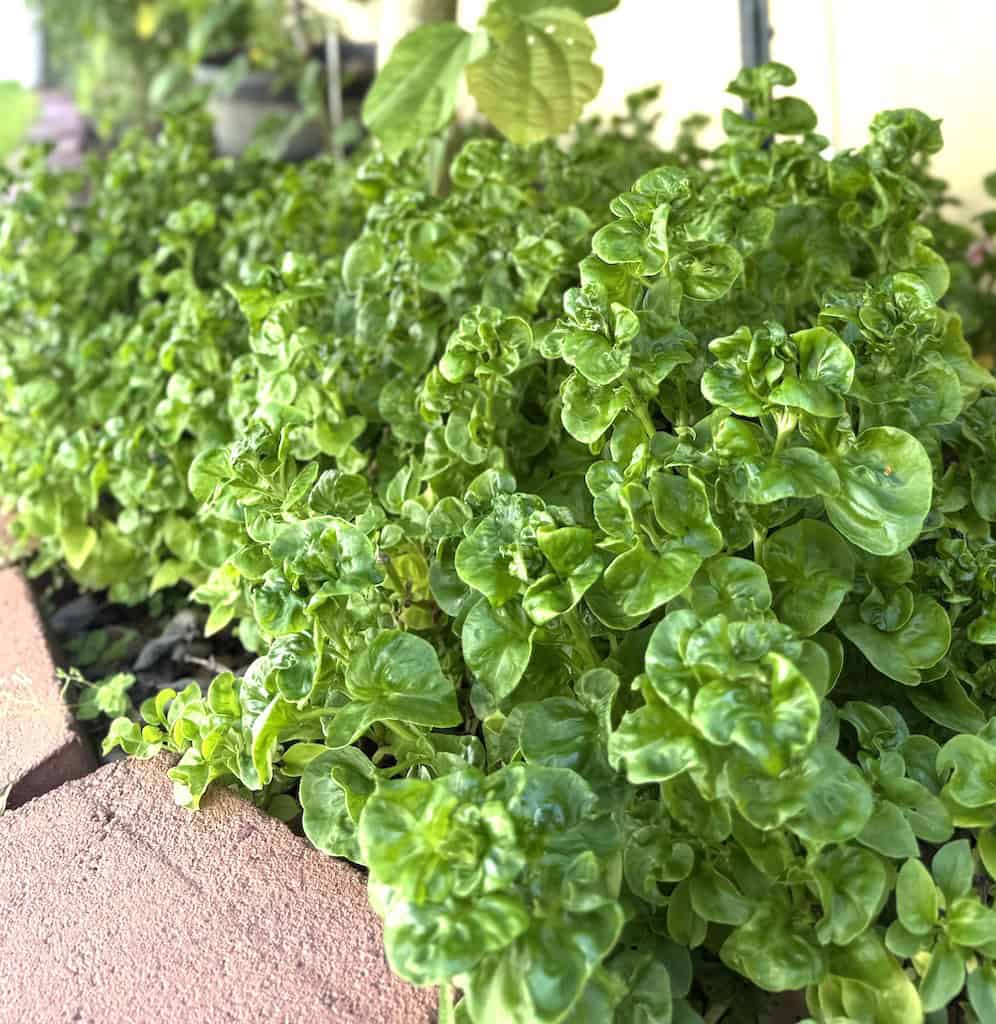
These plants are basically bulletproof here. Most of them are perennials, grow easily from cuttings, and produce year-round. Mine only slows down a little during the coldest weeks of winter but bounces back fast when it warms up again. I haven’t grown traditional spinach in years, and I don’t miss it at all.
2. Rhubarb
As much as I love rhubarb, it’s just not built for Florida. This plant wants long, cool seasons and plenty of chill hours. Down here, the heat wipes it out before it ever really gets established.
Rhubarb is a perennial, but in our climate it just gets weaker every year instead of stronger. It can’t recover from the stress of summer and eventually dies off completely. I gave it several tries before accepting that it’s not meant for our weather.
Thankfully, I found a great stand-in which is roselle, also known as Florida cranberry. It’s a warm-weather plant that thrives during our brutal summers. When you harvest and chop the calyces, they have that same tart, tangy flavor that rhubarb gives. I use roselle in place of rhubarb in jams and desserts, especially strawberry “rhubarb” pie.

The red roselle varieties will stain everything deep pink or purple, so if you want a lighter color, try the white roselle instead. It keeps your strawberries looking like strawberries while still giving you that signature zing.
3. Cilantro
Cilantro is another one that just can’t handle Florida heat. It bolts almost immediately unless it’s grown in the coldest part of winter, again, that short window of January and February. Once it bolts, you can still collect coriander seeds, but the leaves turn bitter and unusable.
That said, it doesn’t break my heart because cilantro isn’t a favorite in my house. I have that lovely genetic trait where cilantro tastes like soap, and my husband absolutely hates it. He can detect even the smallest amount in food, so we don’t really use it anyway.
For anyone who does love cilantro, there’s a tropical cousin called culantro that grows better here. It’s not a true summer plant, but it tolerates our warmth far better and lasts longer before bolting. You can grow it roughly during the same months you’d grow broccoli, from October through March, and preserve it by freezing or freeze-drying.
Personally, I substitute parsley in recipes that call for cilantro. It’s not the same flavor, but it gives that green, fresh element and actually grows beautifully here through most of the year.
4. Corn
Corn is one of those crops that looks easy on paper but is a nightmare in Florida gardens. It’s a heavy feeder, meaning it demands a ton of nutrients. After years of trying, I finally learned that corn just doesn’t thrive here with organic methods alone.
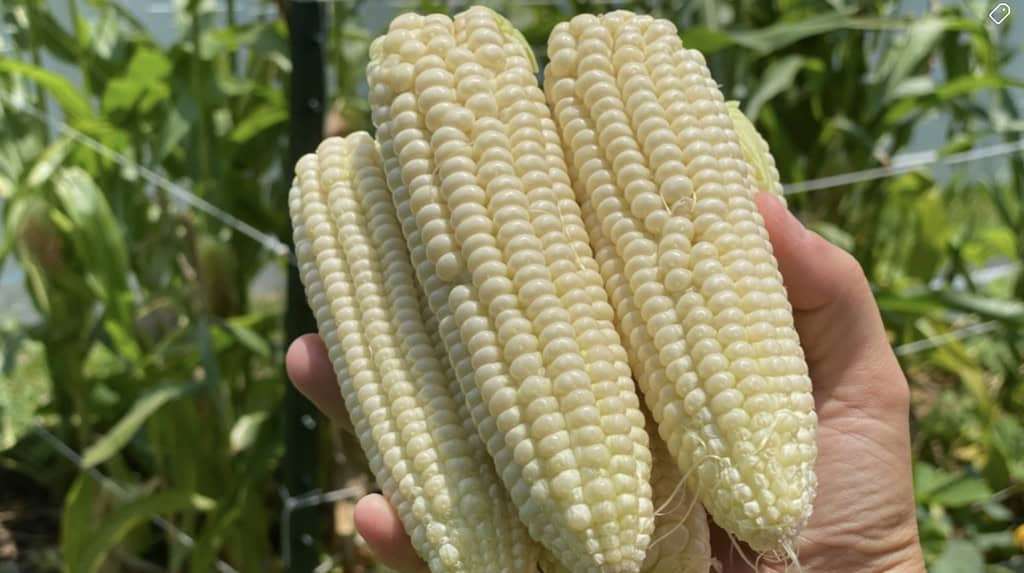
When I grew organically, using compost, fish fertilizer, and natural amendments, the corn stayed small and produced poorly. Once I switched to synthetic fertilizer, it grew much better, but then came the pest pressure: worms, beetles, and everything else that loves corn. To keep up, I had to treat regularly, which defeated the whole purpose of growing organically.
Corn also takes up a lot of space for what it produces. It needs to be planted in large blocks for proper pollination, which is tricky in raised beds. And dedicating that much space, time, and synthetic fertilizer to one crop just isn’t worth it for me anymore.
Luckily, there’s a small local farm down the road that sells fresh corn by the bushel every season. Supporting them while freeing up a garden bed for something more productive feels like a win-win.
5. Apples
Apples are where I officially draw the line. I have a huge collection of fruit trees like peaches, loquats, pomegranates, bananas, mandarins, lemons, jaboticaba, figs, elderberries, blackberries, blueberries, plums, mulberries, and even an avocado but apples will never make the list.
The biggest issue is chill hours. Most apple trees need hundreds of hours below 45°F to set fruit, and we just don’t get that in Florida. There are only two low-chill varieties that can even attempt it here ‘Dorsett Golden’ and ‘Anna’ and even those are unreliable in most of the state.
In my area, we average around 250–300 chill hours, which is barely enough. Add in our sandy soil, nematodes, high humidity, and relentless pest pressure, and it becomes a constant uphill battle. You also need at least two trees for pollination, and if you lose one, the other won’t produce. For all that effort, the yield isn’t even that good and the flavor can’t compete with what thrives naturally here.
I’d much rather fill that space with fruit trees made for Florida’s climate. If you want a list of what does grow well here, you can find my favorites on my website.
Florida gardening is all about learning what works and what doesn’t. Some crops just aren’t worth the fight and that’s okay. Once you let them go, you make room for plants that love your climate and reward you all season long.