Last Updated on February 19, 2026 by Homegrown Florida
For five years, I struggled with strawberries.
Some years they rotted.
Some years they didn’t produced.
Some years I got a handful of berries and called it a win.
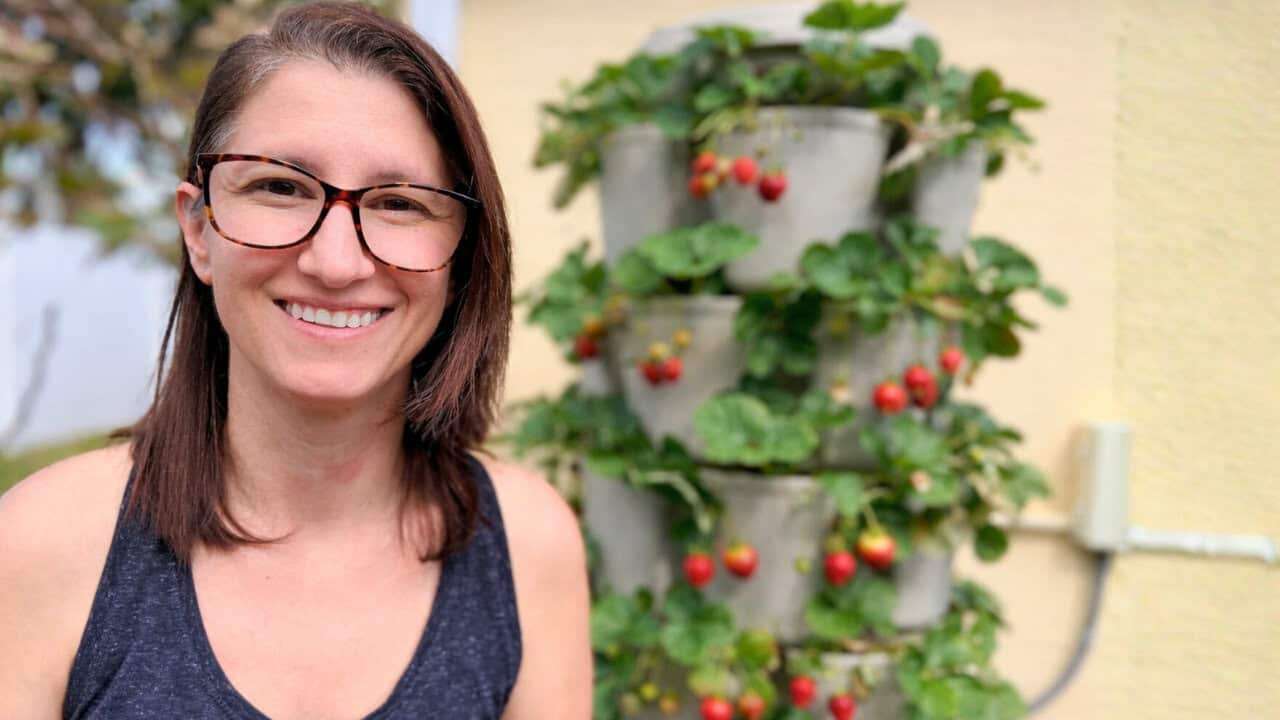
But this year, something changed. I finally harvested bowls of strawberries from my GreenStalk, and not just a few scattered berries here and there. Real harvests. The kind that make you feel like you cracked the code. If you are growing strawberries in a GreenStalk in Florida, here is what actually made the difference.
Table of Contents
This post may contain affiliate links. Read full disclosure here.
Start With Plugs, Not Bare Roots
Let’s talk about the mistake I made for years.
Bare root strawberries.
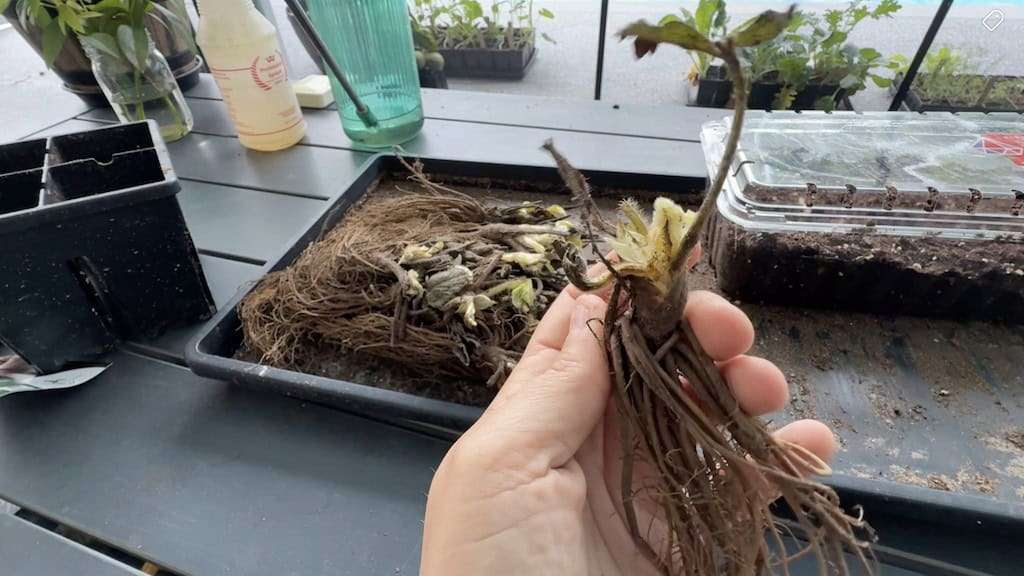
I ordered twenty five to thirty bare roots one season and almost every single one died. One survived. One! And I would not call myself a beginner gardener. If they were that hard for me, they are absolutely frustrating for someone just getting started.
Bare roots are very particular. If you plant them too deeply, the crown rots. If you plant them too shallow, they dry out. Too much moisture, they rot. Too little moisture, they fail. Order them too early and the temperature swing from where they were grown to Florida can shock them.
I planted some in September one year and it was simply too hot. October is a much safer planting window for Florida.
Plugs are completely different. A plug is basically a small established plant. It already has leaves. It already has a root system. It is already planted at the correct depth in its soil cell. You simply transplant it into your GreenStalk pocket and let it continue growing.
The survival rate difference for me was dramatic. I lost maybe two plugs out of an entire GreenStalk. That alone changed my success rate. If you can source plugs from somewhere closer to Florida, even better. Plants that are already used to humidity and fluctuating winter temperatures transition much more smoothly.
Choose Varieties That Actually Work in Florida
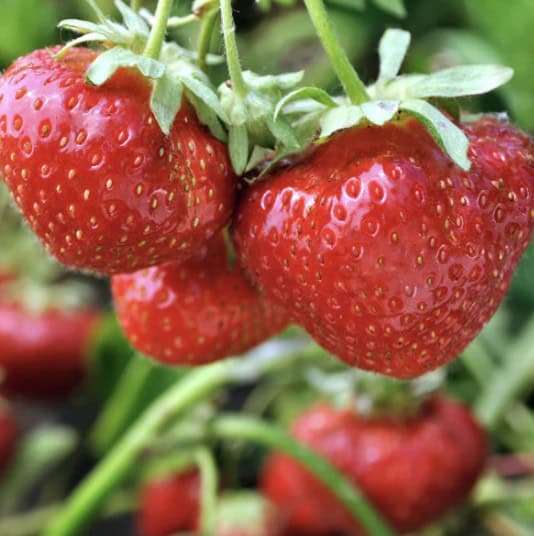
Not all strawberries are created equal, especially here. Florida strawberries fruit in winter. Most of the country fruits in late spring and summer. That difference matters because strawberries respond to day length and temperature.
You will see terms like June bearing, everbearing, and day neutral. Those terms determine when and how often your plants fruit. If you choose a variety that expects long spring daylight hours, it may not perform well here.
Over the years, I have tested several varieties in my GreenStalk.
- Brilliance has been one of my most consistent performers. It produces large berries and is widely grown in Florida for a reason.
- Chandler gives me bigger berries than many varieties, though I find the flavor slightly less sweet than some others.
- Camarosa surprised me this year. The berries were smaller on the first flush, but incredibly sweet. Some of the best flavor I have grown.
- Albion performed fine but the berry size was smaller than I prefer.
- There are also University of Florida recommended varieties like Sweet Sensation, which are bred specifically for Florida conditions.
If you are growing in a GreenStalk, variety matters even more because you are maximizing vertical space. You want plants that produce well in our winter light and temperature pattern.
Check out My Favorite Veggie Varieties for a full breakdown of all fruits and veggies that I have had success with growing in my Florida garden.
Full Sun in Winter Is Not Optional
I often tell people to protect plants from Florida sun but strawberries are the exception.
We grow strawberries in winter. Our daylight hours are shorter. The sun sits lower in the sky and casts longer shadows. The intensity is lower than summer. That means your strawberries need every bit of direct sun they can get.
My GreenStalk is in full sun from morning until late afternoon. I also use a rotating base so I can turn it and make sure each tier gets even exposure. That alone improves berry production.
Soil and Fertility Matter More Than I Thought

For years I used a standard mix of ProMix, perlite, and Berrytone fertilizer. It worked, but it was not incredible. The biggest change I made was incorporating high quality compost. Strawberries absolutely thrive in rich, living soil. Compost improves structure, moisture retention, and nutrient availability.
I still use Berrytone as a base fertilizer. It is a granular organic feed formulated for berries. But here is something important. Granular organic fertilizers break down slowly. In winter, microbial activity slows down. That means nutrients release more slowly. If your berries seem small but the leaves are healthy and green, it may not be a deficiency. It may just be early flush production.
If I need a quicker boost, I prefer compost tea before reaching for liquid fish fertilizer. Fish fertilizer works, but in too high of a concentration during fruiting, it can affect flavor. I have seen berries get larger but taste slightly sour when overfed with fish emulsion. If you do use liquid fertilizer in a GreenStalk, go lighter than the label recommends and apply evenly through the tower.
Keep the Soil Consistently Moist
In a GreenStalk, moisture management is everything. Strawberries do not want to dry out completely. They also do not want to sit in soggy soil. The key is consistent moisture.
Once I stopped letting the pockets dry out fully between waterings and focused on even moisture, berry size improved. The GreenStalk drains well, but you still need to monitor the top tiers closely because they can dry faster than the bottom.
The first flush of berries is usually smaller. That is normal. As the plant matures over the next few weeks, berry size typically increases.
Understand How Much You Will Actually Harvest
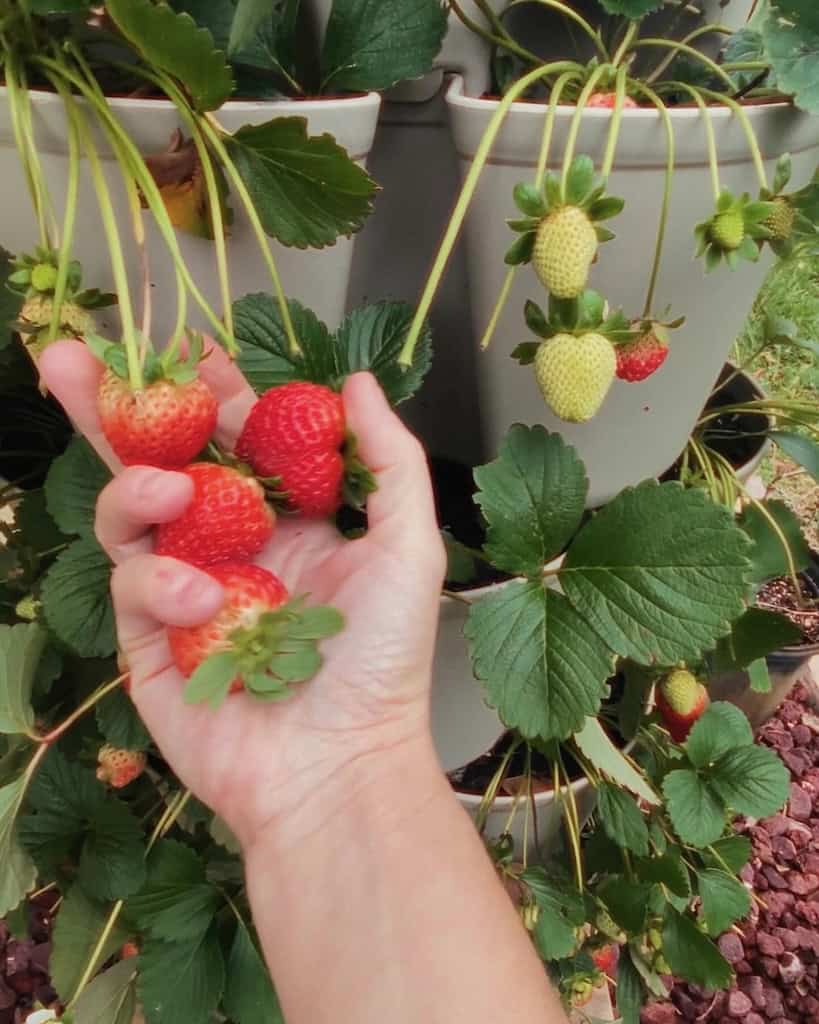
This was a mindset shift for me. One strawberry plant will typically produce about one quart of berries across the entire season.
That is not a lot.
If you want real harvests, you need real plant numbers. I started with two plants years ago and wondered why I barely had anything. Then I tried thirty. Still not enough for how much my family eats. This year I planted seventy two. It sounds excessive, but that is how you get consistent bowls of berries instead of a handful here and there.
Why the GreenStalk Makes Such a Difference
Growing strawberries in a GreenStalk has dramatically reduced disease and pest pressure for me. Elevating the plants off the ground limits soil borne fungal issues. Airflow is better. Harvesting is easier. I see problems sooner. It also makes moisture management more consistent when the system is set up correctly.
Compared to raised beds where fungal leaf issues were constant for me, the GreenStalk has produced cleaner fruit and healthier foliage.
What Happens After Spring in Florida
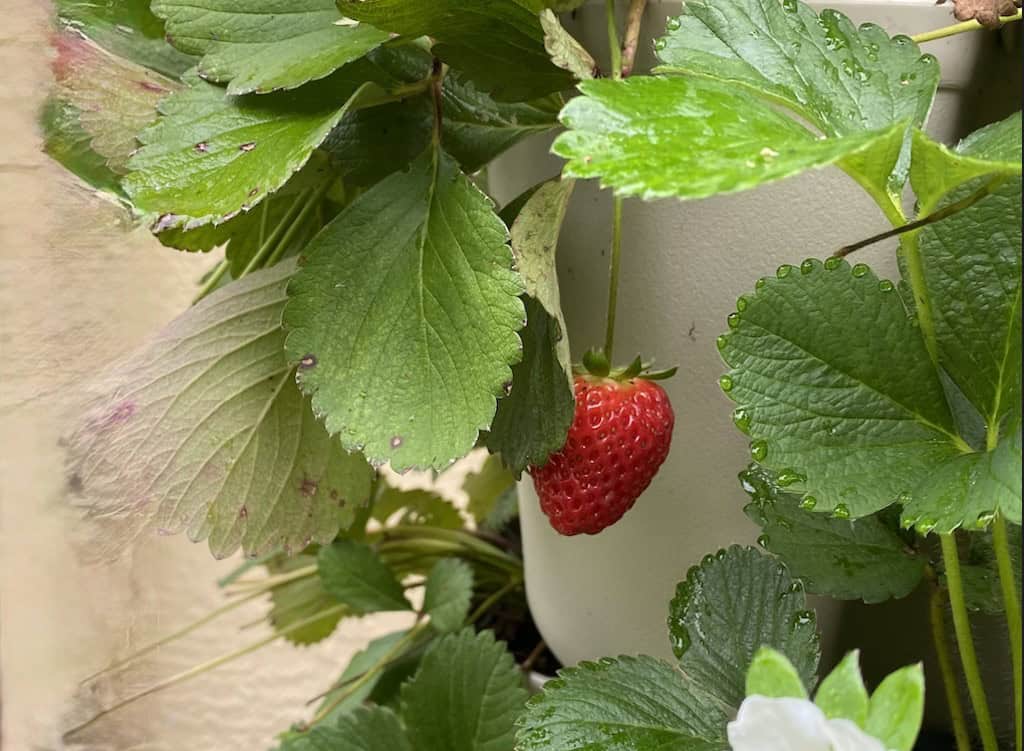
Here is the reality most people do not talk about. Strawberries do not love Florida summers. Up north, strawberries go dormant in winter. They lose their leaves, rest, and come back strong in spring. That dormancy period helps them produce heavily in year two.
In Florida, they do not get true dormancy.
Our plants struggle through summer instead. When production slows in late spring, I move my GreenStalk to a shadier area where it gets just a few hours of sun. I keep the plants watered but do not push heavy fertilizer. About half of them typically die back.
In fall, surviving plants start sending out runners. Those runners can be rooted to replace losses. Some varieties produce more runners than others. Camarosa produced a surprising number for me. Brilliance produced very few. Even with runner propagation, I plan on refreshing plants every couple of years.
Florida strawberries are a sprint crop, not a long term perennial like they are in cooler climates.
The Big Picture
Growing strawberries successfully in a GreenStalk in Florida is not about one magic trick. It is about stacking small decisions:
- Choosing plugs over bare roots.
- Planting at the right time.
- Picking Florida appropriate varieties.
- Providing full winter sun.
- Using rich compost.
- Managing moisture carefully.
- Planting enough to matter.
After five years of frustration, this is the first season I truly feel like I understand strawberries in my climate. And once you understand them, they stop feeling fragile and start feeling generous. That is when growing them becomes fun.