Last Updated on November 28, 2025 by Homegrown Florida
If you have ever tried to grow squash in Florida and it mysteriously dies overnight, you are in good company. I used to lose squash plants constantly. Bugs, heat, mildew, timing problems, pollination issues, you name it. And for years I thought I was the problem.
Turns out the problem was Florida.
Squash needs specific temperatures, reliable pollination, and a whole lot of pest management support in our subtropical climate. Once I finally adjusted how I grew them, things changed fast. So today I want to walk you through the exact tweaks that finally made squash one of my most reliable crops, along with the best varieties and harvest tips for our Florida gardens.
Table of Contents
This post may contain affiliate links. Read full disclosure here.
Before we get into the five tweaks that changed everything, let’s quickly look at the two families of squash.
Summer Squash vs Winter Squash
The names confuse a lot of gardeners. It has nothing to do with when you grow them. It is all about the way you harvest and eat them.
Summer squash

This is your zucchini, yellow squash, and patty pans. They have thin skins, grow fast, and taste best when picked young. These are the squashes most Florida gardeners struggle with because they do not love heat or humidity.
Winter squash
Think butternut, spaghetti squash, acorn, and pumpkins, all the thick skinned varieties that store for months. You can harvest them young and eat them like zucchini, or let them mature and enjoy them as long storage staples. Many winter squash varieties grow much better in Florida than traditional zucchini ever will.
The Five Tweaks That Finally Made Squash Work in Florida
These are the exact adjustments pulled straight from years of trial and error in my own garden. If you do these five things, you will grow squash than you know what to do with.
1. Put Pest Management on a Schedule
Florida pests are no joke. The ones that destroy squash the fastest are:

• squash vine borers
• leaf footed bugs and squash bugs
• pickleworms
I do not wait for damage anymore. Preventative spraying is the only thing that works consistently.
My approach to Grow Squash
I use a product called Spinosad because it stays on the plant longer. It does not wash off in the rain, and I only have to spray every three to four weeks. Bt is another option, but it requires weekly spraying and washing it off sets you back to zero. Both products are certified organic. I start spraying when my squash plants are about a foot tall or once I see flower buds forming. And I keep a reminder on my phone so I never miss a round.
If you prefer not to spray, you can use insect netting. Just remember it must come off at dawn so the bees can pollinate the flowers. I personally do not have the lifestyle to uncover and recover plants every morning, so spraying is the better fit for me. You can also partially bury the stems so they root along the vine. This makes the plant more resilient if a vine borer strikes.
2. Put Disease Management on a Schedule Too

Powdery mildew is inevitable in Florida’s humidity, but you can slow it way down. My favorite spray is a simple mix of one cup hydrogen peroxide to one gallon of water. I spray weekly and also after long periods of rain or heavy dew. It has drastically reduced disease pressure in my garden.
Copper fungicide also works, but I stopped using it after my soil test showed copper buildup. The hydrogen peroxide solution has been a great alternative. Growing vining varieties vertically is another huge win. It spreads the leaves out so they dry faster after morning dew or rain.
3. Time Your Planting Using Temperature Instead of the Calendar
This one changes everything. When you grow squash, it wants to flower only when temperatures stay roughly between 60 and 80 degrees. If it is hotter or colder than that, you get a massive plant with zero fruit. Instead of planting by a date, look up your local monthly highs and lows.
You want squash to hit maturity at the start of your 60 to 80 degree window. And squash takes about 60 days from seed to production. So count backward sixty days from when your area reaches consistent temps under eighty degrees. That is your planting window.
For most Florida gardeners:
• early spring planting happens February to March
• fall planting happens August to September
You absolutely cannot grow traditional zucchini in the peak of Florida summer. A few moschata varieties can push through it, but most will not.
4. Support Pollination or Do It Yourself
Squash plants produce a ton of male flowers first as a way to attract pollinators. The female flowers show up later and only stay open for a few hours in the morning. If they do not get pollinated in that window, the little squash shrivels up and dies.

You can help in two ways:
- Encourage more pollinators: Plant flowers, mix crops together, and add native plants to your garden beds.
- Hand pollinate:Take a male flower, remove the petals, and brush the pollen onto the center of a female flower. That is it. You will know within two days if it worked because the squash will start to grow quickly.
5. Choose Florida Friendly Varieties
This is the part most gardeners overlook. Not all squash grow well in Florida. In fact, very few do. These are the varieties that consistently work for me:
Hybrids that perform well
- Dunja zucchini
- Tivoli spaghetti squash
- Angel Hair spaghetti squash
Heirlooms that hold their own
- Gray zucchini
- Early prolific straight neck yellow squash
- Table Queen acorn squash
Moschata varieties (the Florida superheroes)
Moschata varieties have solid stems and root along the vine, which makes them highly resistant to vine borers. These are the closest thing to bomb proof in a Florida garden.

- Seminole pumpkin
- Tromboncino (zucchino rampicante)
- South Anna butternut
- Thai Kang Kob squash
- Tahitian Melon Squash
Here is the cool part. Any winter squash can be harvested young and eaten as a summer squash. So if the only thing that grows for you is Seminole pumpkin, harvest it small and you still get your zucchini fix.
How to Harvest Squash at the Right Time
Summer squash
Pick them young and tender. Six to eight inches is perfect. Any bigger and the skin toughens and the seeds get large.
Winter squash
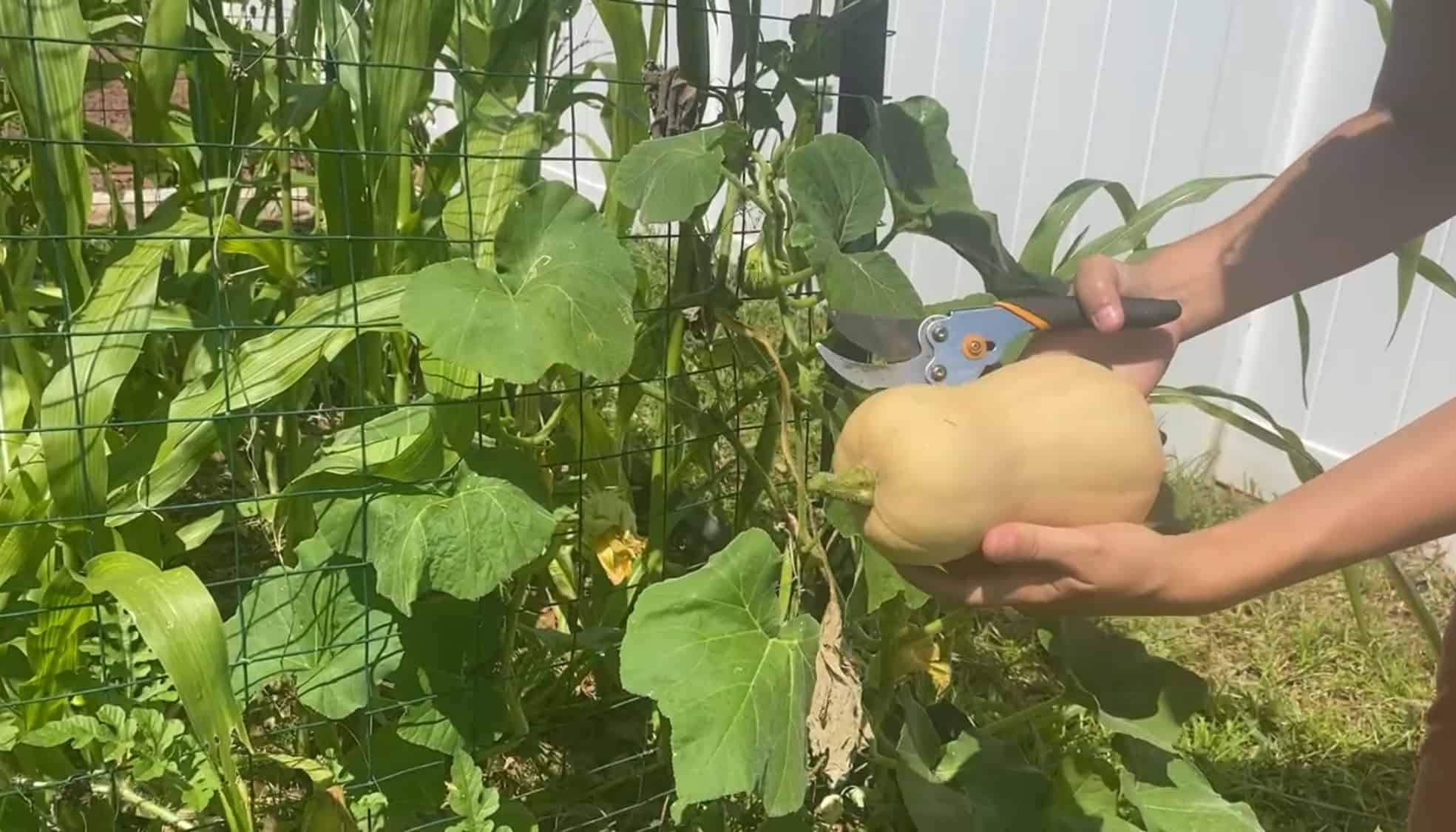
Let the skin harden and the color deepen on the vine. When you cut it, leave a long stem attached. Cure the squash in the sun for a week, then store it in a cool dry place. Properly cured winter squash can last for months.
Final Thoughts
Squash is one of the hardest crops to grow in Florida until you understand the timing, the pest pressure, and the pollination quirks that come with our climate. Once you get those pieces in place, it becomes one of the most rewarding vegetables you can grow. Whether you prefer tender zucchini or long storing winter squash, there is a variety that will thrive in your Florida garden.