
Last Updated on June 28, 2025 by Homegrown Florida
Let’s be honest: squirrels and rats can drive you absolutely nuts in the garden. They steal fruit, dig holes, chew through plants, and just when you think you’ve outsmarted them… they’re back. After years of dealing with these persistent pests in my Florida backyard garden, I’ve figured out five strategies that keep squirrels and rats out that actually work; no gimmicks, no false promises, just real-world methods I’ve tested myself.
These aren’t just one-size-fits-all solutions either. They’re things that make sense for Florida’s unique climate, long growing season, and the types of crops we love to grow. So if you’re fed up with losing your harvest to furry intruders, here’s how I fight back.
Table of Contents
This post may contain affiliate links. Read full disclosure here.
1. Pick Fruit Before It’s Fully Ripe to Keep Squirrels and Rats Out
This one’s simple, but it’s made a huge difference for me. I don’t wait for my fruit to fully ripen on the vine anymore. That includes things like tomatoes, mulberries, peaches, pretty much anything squirrels and rats find delicious.
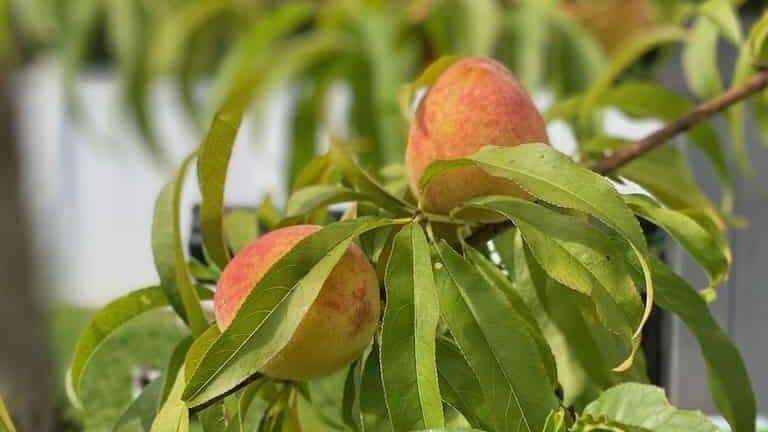
I harvest them a little early and let them finish ripening indoors. You’d be surprised how many fruits will still turn beautifully ripe off the plant. It might feel counterintuitive at first, especially when you want the perfect sun-ripened flavor. But honestly, a half-ripe tomato ripened on the counter is still better than a fully ripe one half-eaten by a squirrel.
This is now one of my go-to strategies during peak harvest season, especially for fruits like tomatoes, papayas, and peaches. Once you know that a crop is getting targeted, don’t give them the chance. Get ahead of the animals and bring it inside.
2. Keep Squirrels and Rats Out Using Pets and Physical Fences as Deterrents
In my case, I have two small dogs, Bella and Chloe, who think of the garden as their personal kingdom. They help more than they know just by being around. If you have pets that like to patrol the yard, let them. It makes a difference.
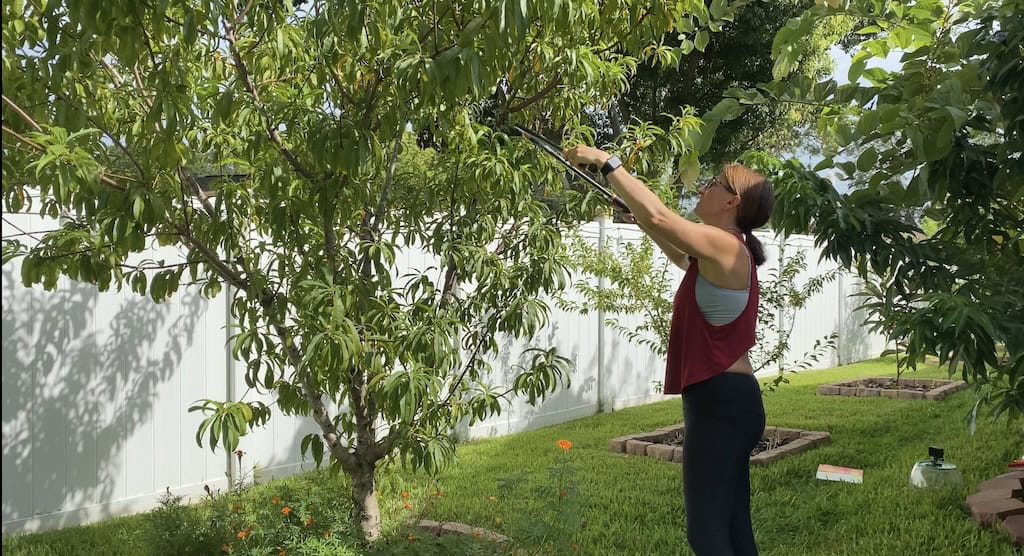
Beyond that, fencing is your best friend. But I’ve learned it doesn’t have to be a massive investment. A short fence, even just 2 to 3 feet tall, can do a surprisingly good job keep squirrels and rats out of accessing your beds.
If you can’t fence in your entire garden, think about doing smaller enclosures around your most vulnerable crops, especially during ripening time. Just creating a little more difficulty for them can encourage them to move along.
3. Provide a Dedicated Water Source
I know this sounds strange, but hear me out. Sometimes animals go after your fruit not because they want the food but because they want the moisture.
During Florida’s dry spells or especially hot months, I’ve noticed an increase in chewed-up fruit and gnawed stems. So I started putting out bowls of water around the garden, tucked in corners or next to larger perennials. When I did this, some of the damage dropped off significantly.
It’s not a perfect solution, but in combination with the other methods, it helps. Especially during the hottest months when animals are desperate for hydration, a water source can redirect their behavior.
4. Use Netting, Cages, and Screens to Keep Squirrels and Rats Out
If there’s one lesson I’ve learned, it’s that some crops just need a physical barrier. There’s no negotiating with squirrels when it comes to juicy fruits like peaches, mulberries, or tomatoes. Once they find them, they don’t forget.
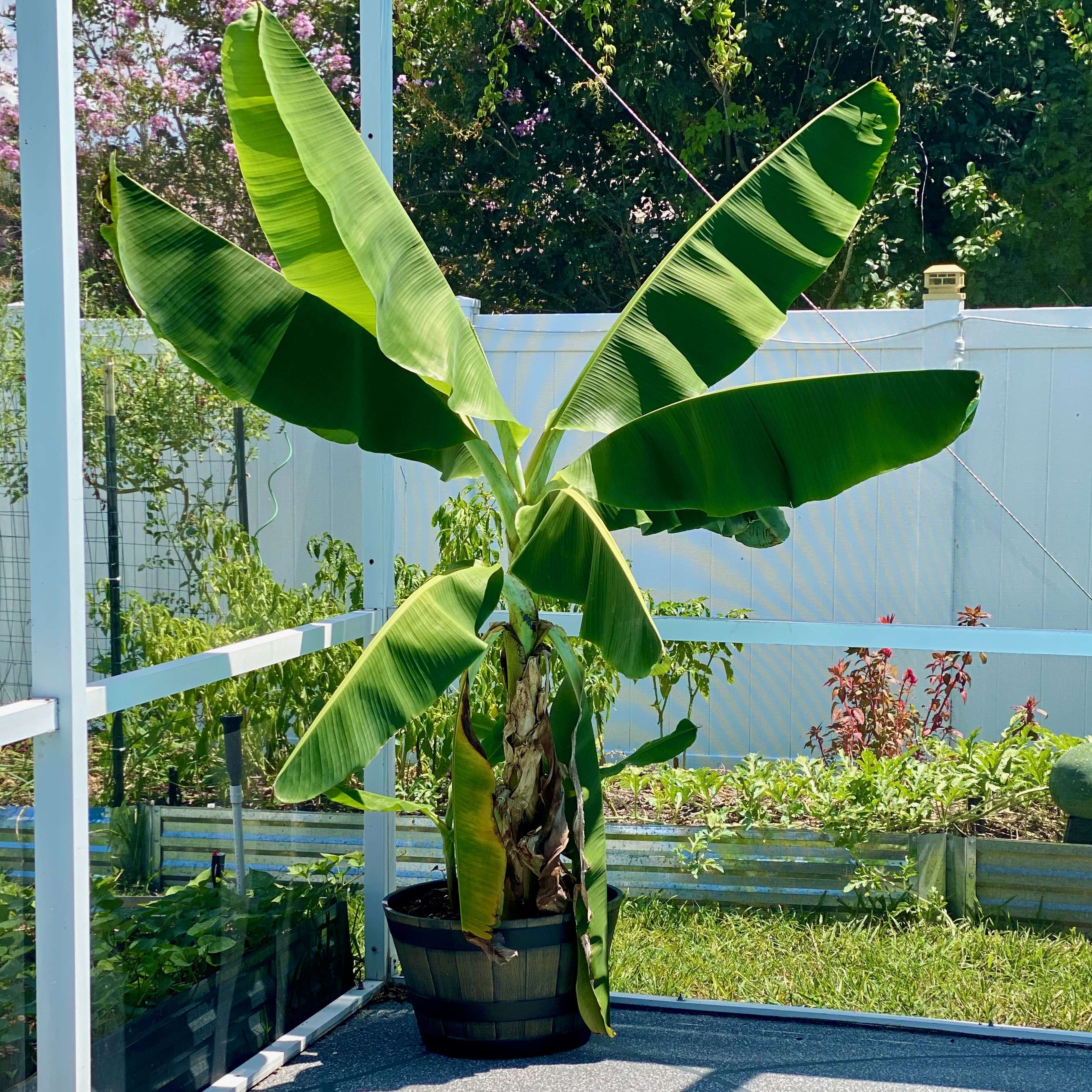
I now use netting, screen enclosures, or cages for certain high-value crops. You don’t have to go overboard sometimes even draping netting loosely over a trellis or tree can make enough of a difference. For tomatoes or melons, I’ve built simple screened boxes that sit over my raised beds or containers.
The key here is flexibility. I don’t cage everything. But when I know a crop is being targeted, I’ll add a temporary barrier just until the harvest is over. It gives me peace of mind and saves more fruit than I’d get otherwise.
5. Use Traps (Live or Snap) as Needed
I don’t love having to trap animals, but sometimes it’s necessary. Especially when the damage becomes constant or when I see signs of nesting in the shed or compost.
There are live traps and snap traps, and I’ve used both. If you go the live trap route, make sure you know what you’re legally allowed to release and where. If you use snap traps, be very intentional about placement—far from pets or areas kids can access.
This is usually my last resort after I’ve tried all the other methods. But when I use it in combination with picking fruit early and using netting, I don’t have to trap very often.
Final Thoughts
Florida’s warm, humid climate means we get the blessing of year-round growing but that also means we’re sharing our gardens with a whole lot of hungry critters. Squirrels and rats are just part of the deal down here, but that doesn’t mean they get to eat everything.
The best results come from layering these strategies. No single method will solve everything. But when I pick early, use some fencing, offer water, protect my most vulnerable crops, and occasionally trap, I can grow (and eat!) most of what I plant. Hope this helps you protect your harvest a little better this season. Happy gardening!