Last Updated on September 12, 2025 by Homegrown Florida
September is a big month in Florida. We’re juggling heat now and cold right around the corner. That means picking crops that can handle late-summer warmth while being ready before, or able to thrive through, our brief cool spells for your September Florida garden.
Below you’ll find what to start in your September Florida garden, broken out by North, Central, and South Florida, plus practical notes on when to hold off, how I handle tricky seedlings this month, and a few garden projects and tips to tackle now.
Table of Contents
This post may contain affiliate links. Read full disclosure here.
Statewide mindset for September Florida Garden
In Florida, September still feels hot, and the real “break” usually doesn’t show up until closer to October, mostly at night. Cold weather is right around the corner, but our frosts are brief, and many cool-season crops can grow straight through them with minimal protection on the coldest nights. The key is runway: choose warm crops that can mature before your area’s first frost window, and lean into cool crops now that will happily carry on through fall and winter.
North Florida
You’re dealing with the same heat as the rest of us, but your frost window shows up first. Sample first-frost ranges I checked (Pensacola, Tallahassee, Jacksonville) span late November into mid-December at the 50% probability mark. Plan warm crops so they produce before that window, and lean into cool crops that can grow through it.
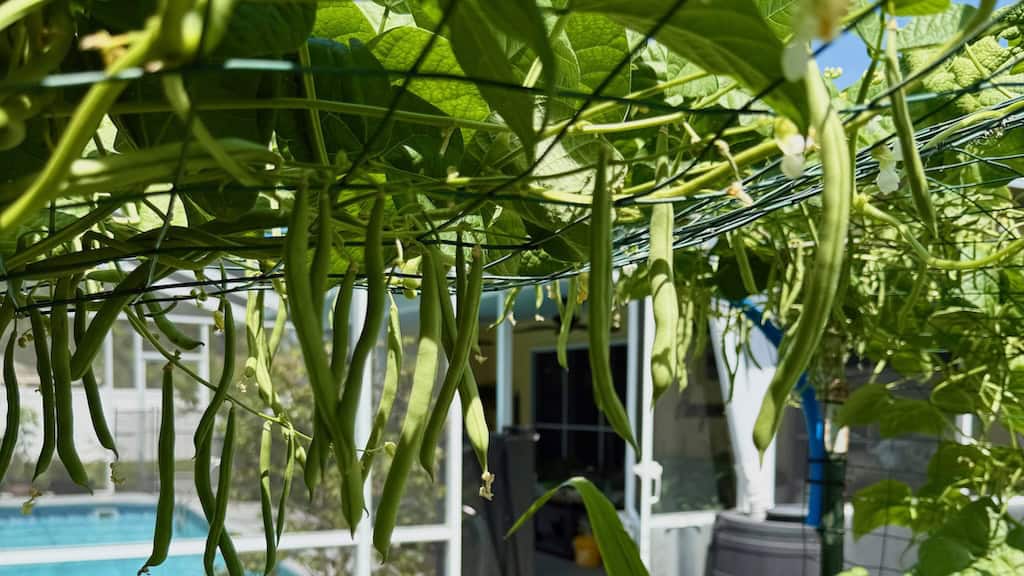
Warm crops that still make sense: Short-season choices that can realistically finish before frost:
- Green beans
- Summer squash
- Cucumbers
- (Optional) Dry beans—plants can be pulled and pods finished drying indoors if needed
Skip starting long warm-season crops now (tomatoes, peppers, eggplant, most winter squash, corn) because they won’t give you harvests in time.
Cool crops to start now: These handle light freezes and often taste better afterward:
- Brassicas: broccoli, cauliflower, cabbage, kale
- Leafy greens: mustard, arugula, lettuce, Swiss chard, escarole, endive
- Roots: turnips, rutabagas, radishes, beets, onions (bulbing)
- Carrots: can start now, but I personally wait until October because germination is fussy in the heat
Onions: September is the moment to start bulbing onions from seed so they size up at the right time later in the season.
Strawberries: Start lining up bare roots or plants this month. If you’re buying live plants, October–November is fine; bare roots are typically ordered now for planting soon after they arrive.
Central Florida
Central Florida behaves like two Floridas. North of Tampa/Orlando you’ll likely see frosts; south of that line you often won’t.

If you’re north of Tampa/Orlando
- Treat warm crops like North Florida: focus on short-season beans, cucumbers, and summer squash.
- Tomatoes, peppers, eggplants should have been started last month.
If you’re south of that line
- You can still start warm crops, just expect slower growth and shorter days. Be prepared to protect on rare cold snaps.
Cool crops to start now (most of Central FL)
- Brassicas, mustard, Swiss chard, beets, turnips, rutabagas
- I wait one more month for carrots (germination is hard in September heat), lettuce (I’m picky about bitterness), and most radishes.
- If you do want a radish now, daikon tolerates heat better and will put on the bulk when nights cool.
Potatoes in fall

- It’s a bit of a gamble, but I still grow fall Irish potatoes: Cal White, Golden Nugget, Huckleberry Gold.
- Tips for fall:
- Plant sprouted seed potatoes only.
- Avoid cutting tubers for fall; whole seed pieces resist rotting better in our wet season.
- Bury deep and mulch well to keep them cooler.
- If you do cut, let them scab over thoroughly and go easy on watering until rain arrives.
How I’m starting cucumbers and squash right now: Although they aren’t tray lovers, I start them in larger cells this month so I can protect seedlings from hurricanes and heavy rains. Bigger cells buy me a little extra time and reduce transplant shock when I move them out.
South Florida
You’ve been so patient through the heat. Good news, your main season is revving up.
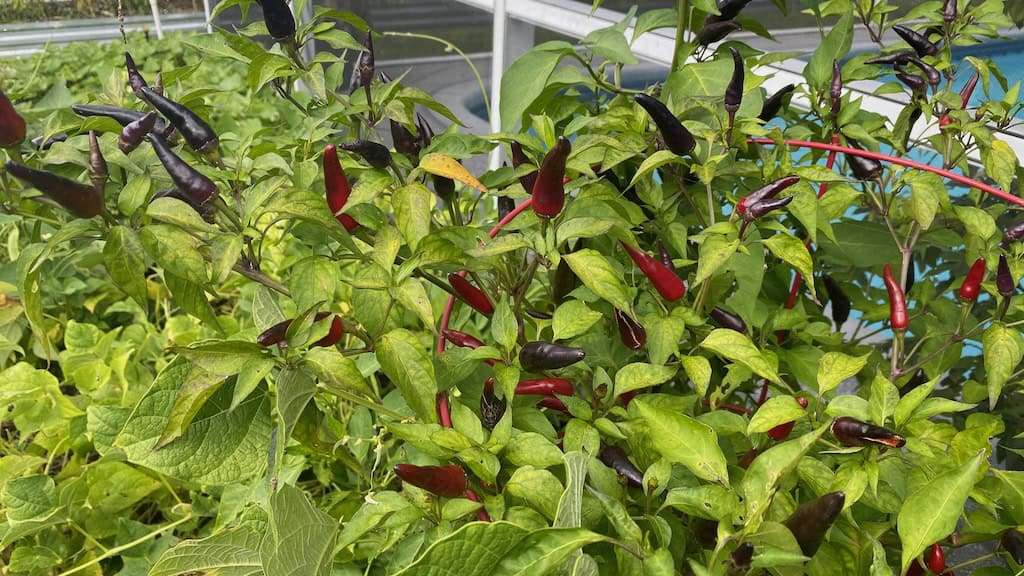
Warm crops you can start: Tomatoes, eggplant, peppers, cucumbers, beans, corn, and squashes all fit now. Growth will be a bit slower as days shorten, but winter is prime time for your warm crops.
- You can keep starting tomatoes into October and even November. Just work backward from when true heat returns (around April for >85°F). Aim for 4–5 months of runway.
Cool crops do work down south, with the right varieties: Your cool window is short. Success hinges on:
- Heat-tolerant selections
- Short days-to-harvest
- Often hybrids for speed and heat resilience
Try brassicas (broccoli, cauliflower, cabbage), kale, mustard, kohlrabi, and more, just be choosy. Brussels sprouts and celery are possible but tough for beginners.
Hold off one more month on quick cool crops like most radishes, beets, and lettuce. They need cooler nights to stay happy and flavorful. Onions can be started now. For strawberries, aim for October delivery/planting on bare roots or live plants.
Three September projects to tackle
- Clear and reset summer beds: Remove spent vines, chop cover crops, and clean out weedy patches. If you had heavy pests on summer beans or squash, pulling those plantings now helps reduce bug hotels before fall crops go in.
- Start fall seed trays smartly: Use larger cells for cucumbers and squash this month so seedlings can ride out storms under cover and still transplant with minimal shock.
- Prep for potatoes and onions
- Potatoes: sprout first, plant whole, bury deep, mulch well.
- Onions: start bulbing onions from seed in September Florida garden to hit their sizing window later.
Special September Florida garden tip: strawberries and onions timing
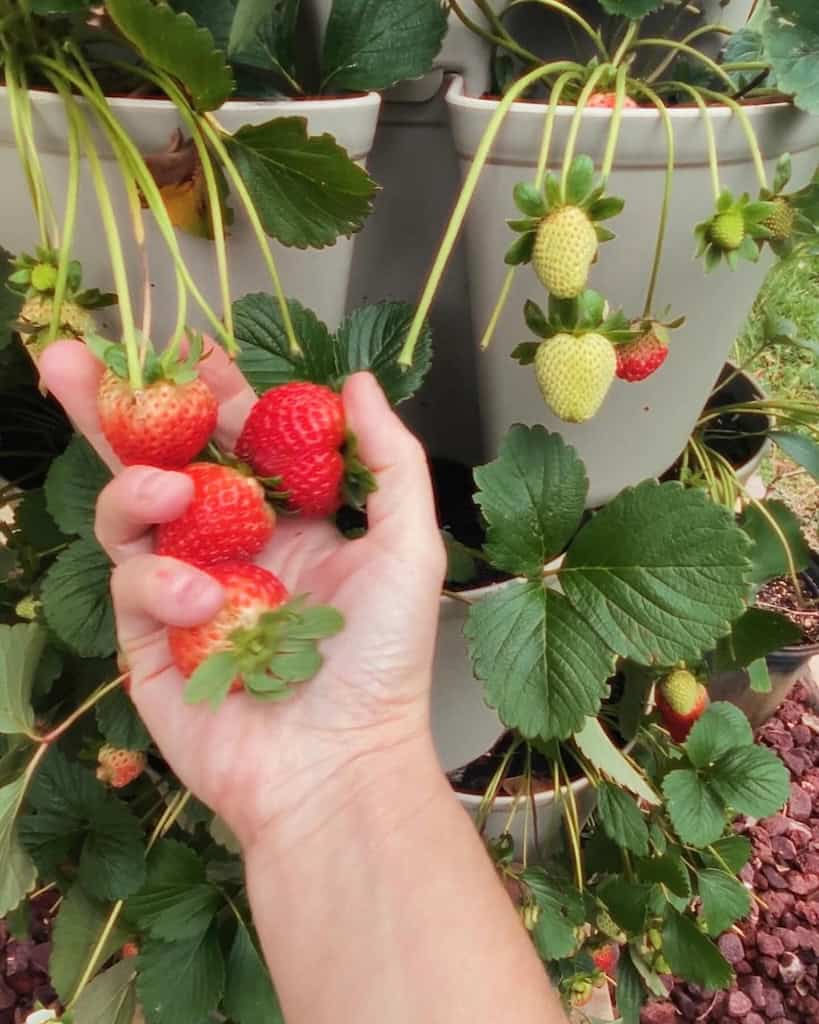
Strawberries and onions both need careful timing for your September Florida garden. September is the month to start bulbing onions from seed so they can mature properly later in the season. For strawberries, this is the time to begin looking for plants. Bare-root strawberries are usually ordered in September for planting in October, while live plants can also be planted later in October or even into November. Getting the timing right on these two crops will set you up for strong growth and reliable harvests later in the fall and winter.
If you’re looking for even more detailed guidance on growing veggies here in Florida—like when to start seeds, how to manage pests, and what varieties really thrive—don’t forget to check out my ebook! It’s got a chapter for every single vegetable and is packed with everything I’ve learned over the years gardening in Florida.


