
Last Updated on October 16, 2025 by Homegrown Florida
October is here, and even though it still feels warm, this is one of the most exciting months for your October Florida garden. The nights are finally getting a little cooler, and if you’ve been holding off because of the heat, now’s your time. It’s not too late to start your fall garden; in fact, many of your favorite vegetables are ready to go in the ground right now.
Table of Contents
This post may contain affiliate links. Read full disclosure here.
Root Crops
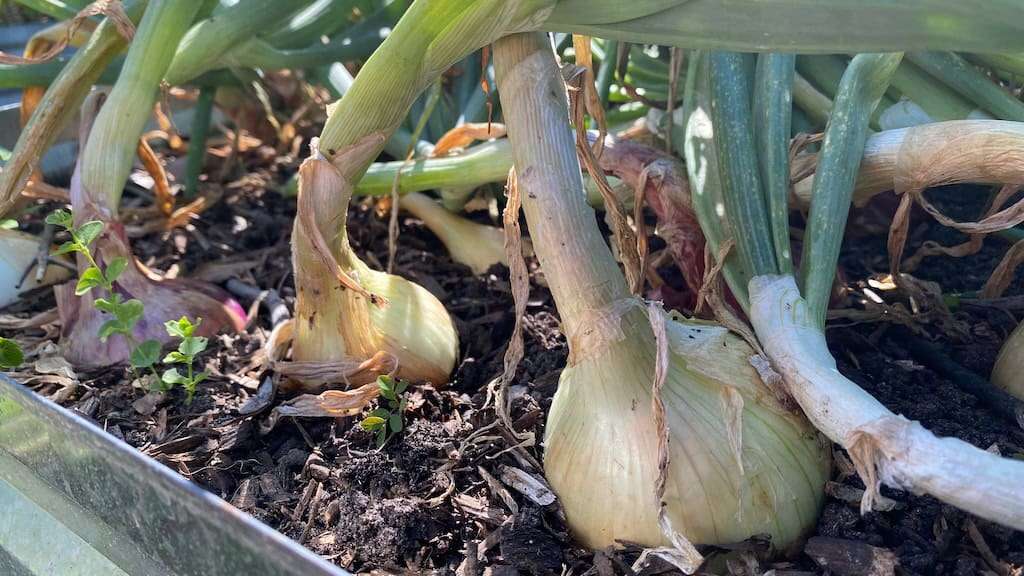
October is prime time to start your root crops, but timing makes a big difference depending on your region. Across Florida, you can plant onions, carrots, beets, turnips, rutabagas, and radishes this month.
If you’re growing onions from seed, you can still start them through mid-October. The famous ‘Super Sweet 1015’ variety gets its name from its ideal start date; October 15. If you’d rather skip the seed stage, you can plant onion starts or sets in November or December.
Carrots can be started now too, but they germinate best once daytime highs stay below 90°F. Until then, use a piece of cardboard, burlap, or a board to cover the soil surface and keep it moist since carrots won’t sprout well in high heat.
Turnips, rutabagas, and radishes can also be seeded this month. Just know that they don’t form bulbs until temperatures cool down. You might have a big leafy plant for weeks before the roots start to swell, especially in Central and South Florida. Be patient; they’ll catch up once we get consistent cooler weather.
And don’t forget the beets. If you’ve ever struggled to get them to size up, here’s a tip, give them a small dose of nitrogen early on. It goes against the usual advice, but feeding your beets with a light fish fertilizer for a few weeks can kick them into gear and help the roots develop.
South Florida note: Hold off another couple of weeks on carrots and radishes until the nights cool down a bit more.
Brassicas

Broccoli, cauliflower, cabbage, kale, mustard, and kohlrabi are all ready to go. Even though the days can still be warm, young brassicas handle the heat surprisingly well. They don’t usually bolt when small; that risk comes later as the plants mature. By the time they reach that stage, Florida’s weather will have cooled enough to keep them happy.
If you’ve struggled with early bolting before, look for heat-tolerant or slow-to-bolt varieties. These perform better through Florida’s fluctuating fall temperatures.
South Florida growers: your window for traditional cool-season veggies is short. Get them planted right away while temperatures are mild, and you’ll still have time for a solid harvest.
Greens and Lettuce

This is the month to start your leafy greens like lettuce, arugula, spinach, collards, Swiss chard, endive, and escarole. These crops love the cooler nights ahead, but they can still bolt quickly if planted too early or kept in full sun.
If your garden runs hot, start them in partial shade or wait until the latter half of the month when the highs settle into the 80s. Spinach and arugula are especially sensitive, so they’ll appreciate some protection from direct afternoon sun.
Celery and Brussels Sprouts
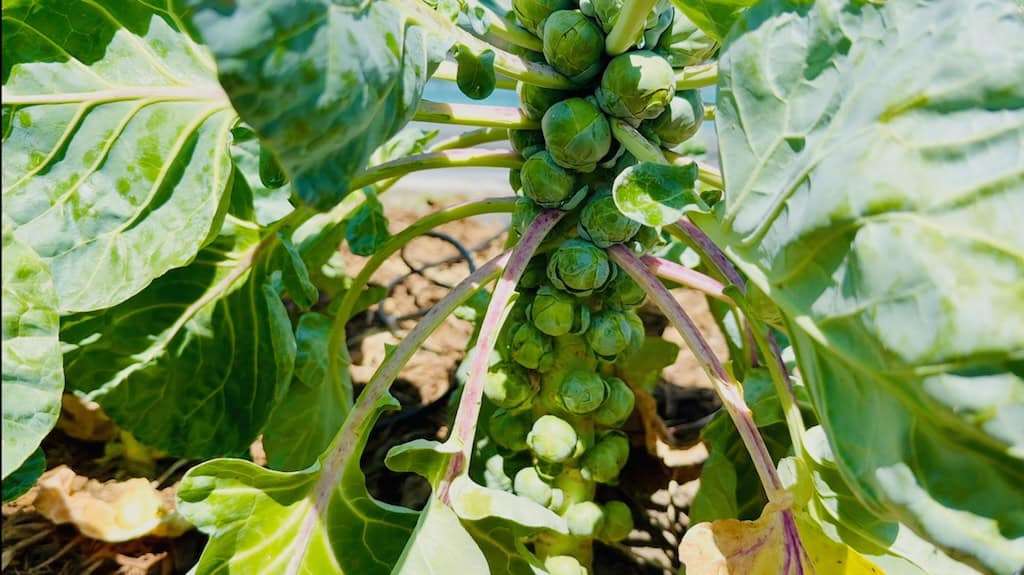
These crops require a long, cool growing season, which makes them tricky in Florida. They can be started now for those who like a challenge, but they’ll perform best during unusually cool winters or in partially shaded areas that stay moist. If you decide to grow them, start indoors or from nursery transplants to save time and trasnplant them into a protected area of your garden. Then just cross your fingers for a cooler winter.
South Florida Highlights

South Florida has one of the most unique growing windows in the country, a short “cool” season that mirrors the growing challenges of Alaska, just in reverse. You can grow nearly everything all at once including warm- and cool-season crops together but you have to move quickly before the heat returns.
Plant your broccoli, kale, and collards now while conditions are mild. You can also grow tomatoes, peppers, squash, beans, corn, and cucumbers, which Central and North Florida gardeners can’t do this time of year. Just avoid short-season cold crops like lettuce, spinach, cilantro, and carrots for a few more weeks until nighttime temperatures drop.
Strawberries October Florida Garden
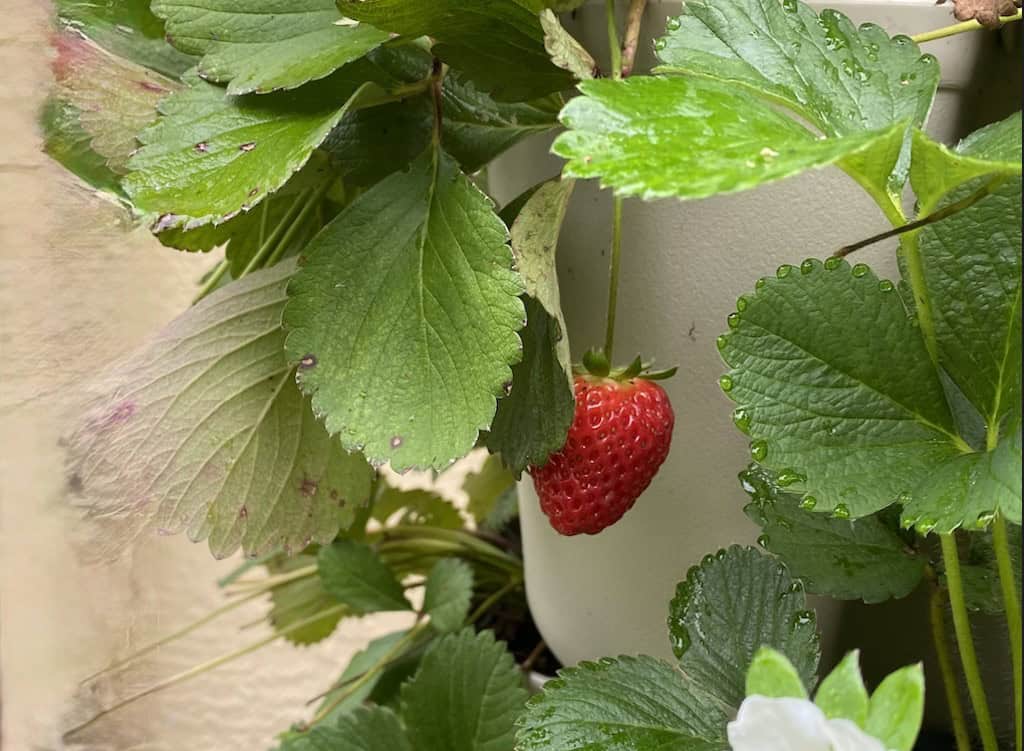
October marks the start of strawberry planting season in Florida. Gardeners across the state can begin setting out their plants now through November.
For varieties, ‘Chandler’ remains a reliable classic that produces runners and handles Florida’s summer heat better than most. ‘Brilliance’ has the best flavor but struggles through summer and doesn’t produce many runners. ‘Albion’ is another option with large, flavorful berries, though it may need replanting each year.
Because strawberries rarely survive summer here, it’s common to replant each fall. Bare roots are and plugs available now through November, while live potted plants usually arrive in garden centers closer to November or December.
Special Tip for October
Keep your harvests coming by succession planting every two weeks. Instead of planting everything at once, start a few seeds now, another batch mid-month, and another toward the end. This ensures a steady supply of vegetables and gives you backups in case something fails to germinate or gets hit by pests.