Last Updated on May 14, 2026 by Homegrown Florida
I grow 19 fruit trees in my backyard here in Florida, and not all of them are worth the space.
Some have been incredible producers with almost no effort. Others have tested my patience for years and still haven’t delivered. So instead of guessing what might work, I’m going to walk you through what actually has worked for me.
This is based on real performance in a Florida backyard. Heat, humidity, rain, cold snaps, all of it.
Table of Contents
This post may contain affiliate links. Read full disclosure here.
Let’s start at the bottom and go worse to best
9. Pomegranate
This one just doesn’t belong in a Florida garden. It grows. It survives. But producing good fruit is the problem. Between the humidity and heavy rains, the fruit tends to split before it fully ripens. Once it splits, it rots.
I had one fruit. One. And it didn’t even make it to harvest. If you’re in a dry climate, this might be a great tree. In Florida, it’s a space waster.
8. Avocado
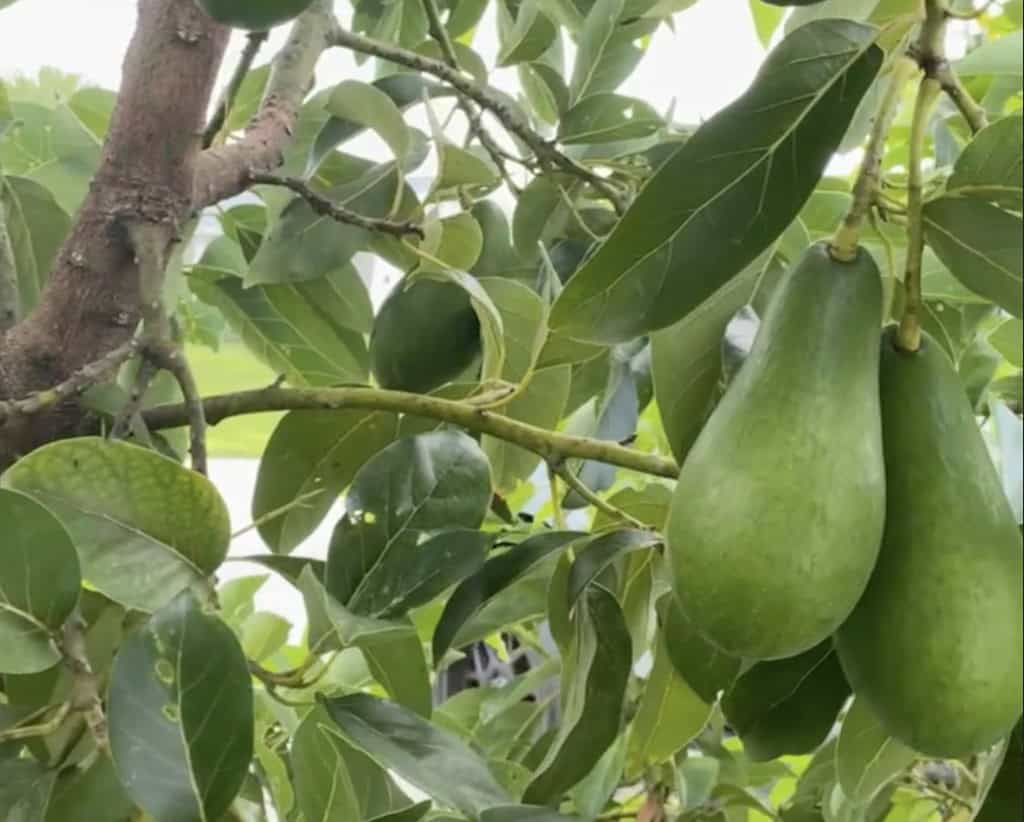
This one depends heavily on where you live in Florida. In South Florida, avocado fruit trees can be a top performer. In Central and North Florida, it’s inconsistent. Cold snaps, off years, and variety sensitivity make it unpredictable.
I’ve had seasons where it barely produced at all, even when the tree looked healthy. Add in the size and the need for good drainage, and it becomes a risky choice in a small backyard.
7. Citrus (Including Sugar Belle Mandarin and Meyer Lemon)
This one hurts to say, but citrus is not what it used to be in Florida. Citrus greening has changed everything. Even resistant varieties like Sugar Belle still require more attention than most fruit trees. Heavy feeding, pest protection, and in my case, even keeping trees inside a screened enclosure.
They can still produce, and the flavor is amazing, but they’re not low-effort anymore. If you’re new, this is not where I’d start.
6. Plum (Gulf Series)
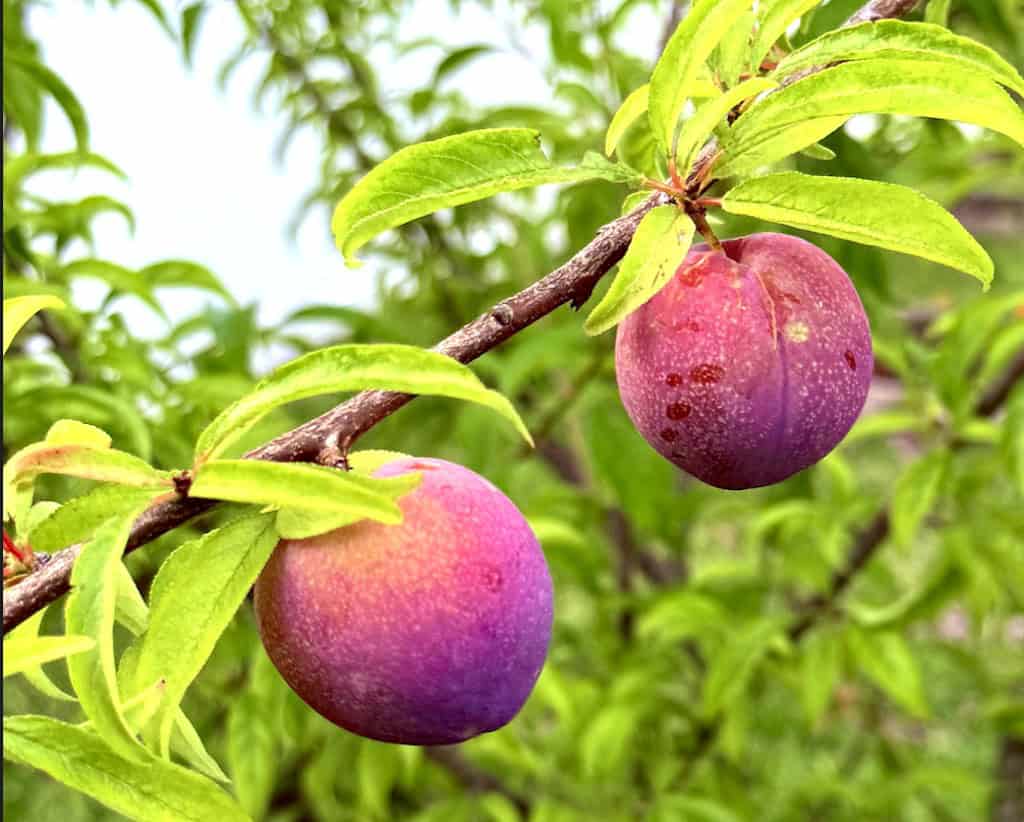
Plums can do well here, but they come with a catch. Most varieties need a pollinator. That means two trees. In a small space, that’s a big ask.
I’ve grown multiple Gulf varieties. One produces better, one tastes better, and now I’m stuck managing both to get decent results. If you have room, great. If you don’t, this becomes frustrating fast.
5. Fig
Figs are easy. Almost too easy. They grow well in the ground or in containers, handle pruning, and bounce back every year. I haven’t had major pest or disease issues.
The downside is versatility. They’re good fresh, good dried, but not nearly as flexible as other fruits. Still worth growing, just not a top-tier producer in terms of usefulness.
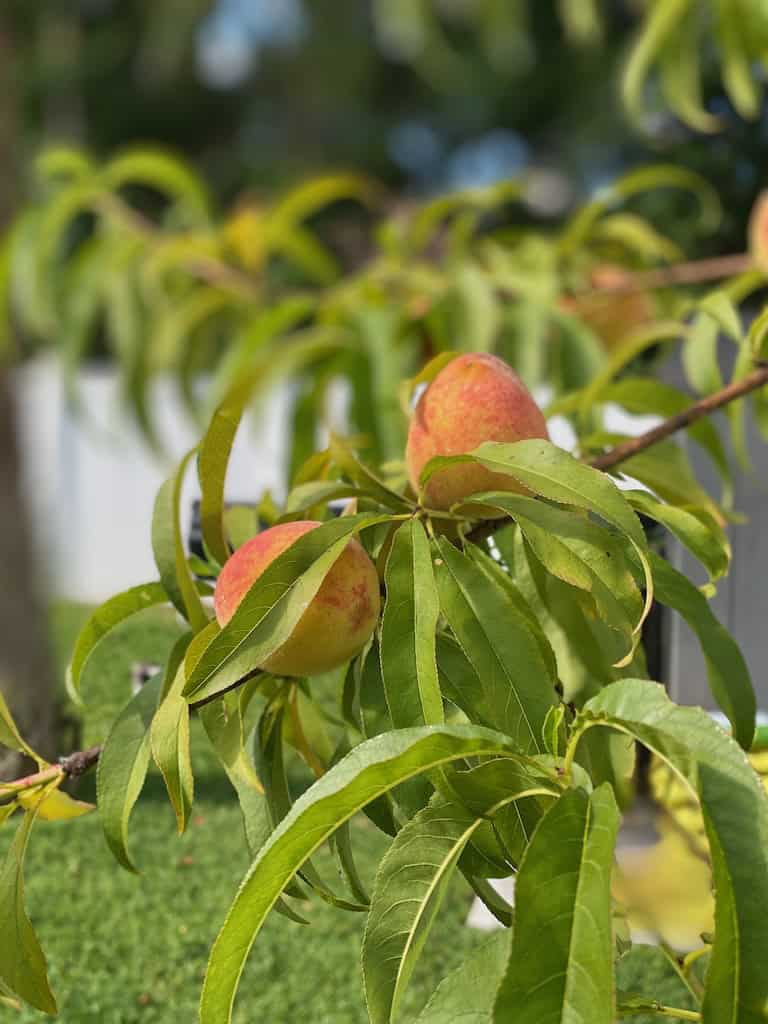
4. Peach (Tropic Beauty)
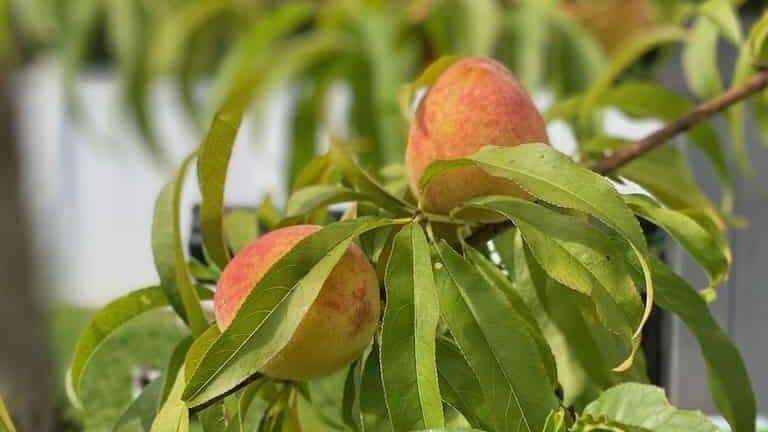
This one might surprise you. Peaches have a reputation for being difficult in Florida, and they can be. But with the right variety, they can absolutely perform.
Mine has been producing for years. The fruit is smaller, but the flavor makes up for it. It does require pruning and some maintenance, but it earns its space in the garden.
3. Elderberry
This one is more about function than flavor. It’s native, extremely easy to grow, and thrives in Florida conditions. It handles heat, poor soil, and neglect better than almost anything else I grow.
The fruit isn’t something you eat fresh, but it’s perfect for syrups and medicinal use. The only downside is that it spreads aggressively, so you need to keep it in check.
2. Jaboticaba
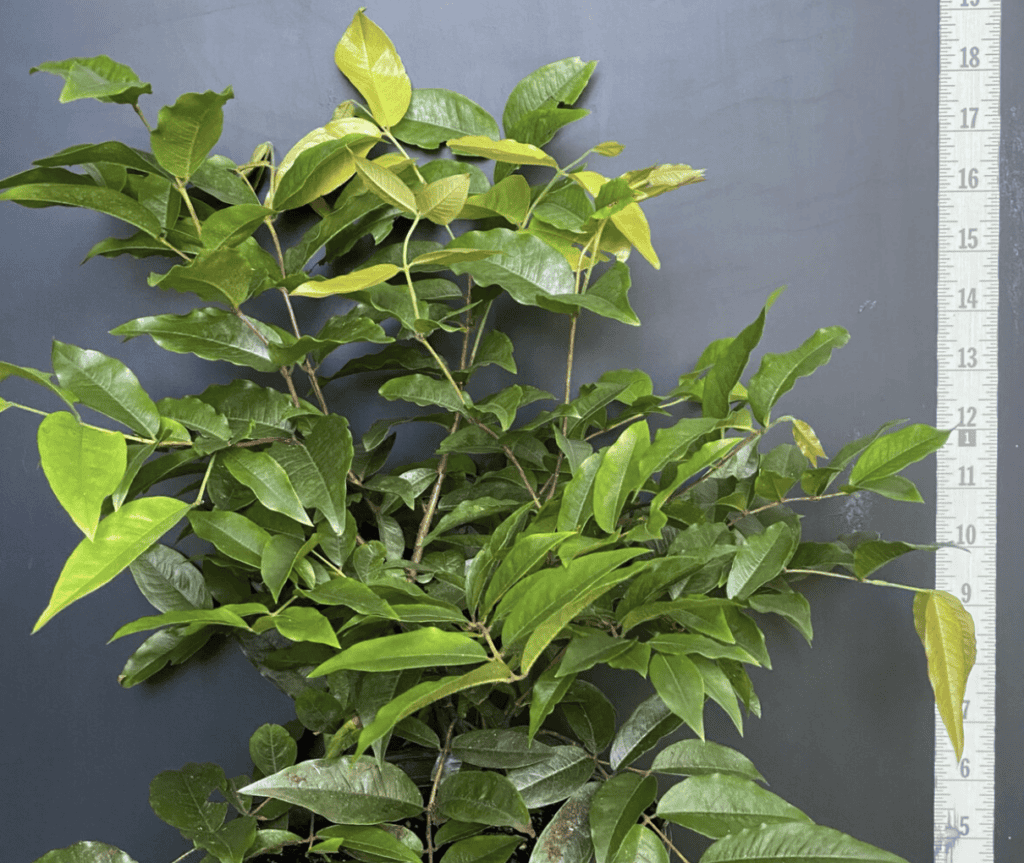
This is one of the most unique fruit trees you can grow. Jaboticaba fruit trees directly on the trunk, tastes like a mix between a grape and something tropical, and does well in both containers and the ground.
It handled cold better than I expected, doesn’t have extreme soil requirements, and produces consistently once established. It’s slow growing, but that actually makes it perfect for small spaces.
1. Dwarf Mulberry
This one isn’t even close.

Mulberries check every box:
- They fruit in the first year
- They can fruit multiple times per year
- They stay small with pruning
- They produce insane amounts of fruit
- They handle Florida weather without issues
The fruit tastes like a mix between a blackberry and raspberry, and it’s one of the most versatile things I grow. Fresh eating, jams, powders, fruit leather, it does it all. I’ve never had a pest or disease problem with mine. If I had to recommend one fruit tree for Florida, this is it.
Final Thoughts
Not all fruit trees are created equal, especially in Florida.
Some need the perfect conditions to perform. Others will produce no matter what you throw at them. When you’re working with limited space, those differences matter.
If you’re building a backyard orchard, focus on trees that:
- Produce early
- Stay manageable
- Handle heat and humidity
- Actually give you a return for the space
For me, mulberry, jaboticaba, and elderberry check those boxes every time.