Last Updated on February 19, 2026 by Homegrown Florida
Some people say you can not grow broccoli in Florida that form proper heads because our winters are too warm. I understand why they say that. If you plant it at the wrong time, pick the wrong variety, or trust the seed packet too much, you absolutely can end up with a tiny little head and four months of waiting.
But broccoli is actually one of my favorite winter vegetables to grow here. You just have to work with our climate instead of against it. Let’s walk through it from seed to harvest.
Table of Contents
This post may contain affiliate links. Read full disclosure here.
Timing Is Everything in Florida
The biggest mistake I see is when you grow broccoli in Florida too late.
In Florida, broccoli should be started from seed between September and February, but September and October are the sweet spot for most of us. I know that sounds shocking because September is still very hot. But here’s the trick.
Broccoli does not need to be cold when it is young. It needs to be cold when it is mature and ready to form a head.
Need help planning your garden beyond this month? Check out What to Plant Each Season in Florida for a full breakdown of the best vegetables, herbs, and flowers to grow throughout the year. It’s your go-to guide for staying ahead of the seasons and getting the most out of your Florida garden.

Broccoli takes a long time to grow here. If I am lucky, it takes three and a half months. More realistically, it takes four to four and a half months. That means if I start seeds in September, I am harvesting in January. January and February are typically our coldest months, and that is when broccoli is happiest forming heads.
If you wait until December to start seeds, your plant may not be mature enough during peak cool weather. Then March rolls around, temperatures rise, and the plant bolts before forming a decent head.
South Florida gardeners should lean heavily toward September and October starts. North Florida gardeners can stretch into February more comfortably because they hold cooler weather longer into spring.
And one more thing. I do not trust “days to harvest” on seed packets here. A packet that says 60 or 90 days might be accurate in Michigan. In Florida, with shorter winter daylight hours, a low sun angle, and unpredictable temperature swings, it almost always takes longer.
Build that extra time into your expectations.
Starting Broccoli From Seed
I always start broccoli in trays.
You can direct seed, but broccoli can be a little dramatic when it is young. Slugs, cutworms, heat, heavy rain, all of those things love a tiny brassica seedling. Starting in trays gives me control during those first fragile weeks.
You do not need anything fancy. I have used egg cartons, small pots, and even my AeroGarden. The goal is simple. Grow them until they have two seed leaves and two true leaves, then transplant.
If you are starting in September or even late August, you may need to baby them a bit. I have done August starts before, and it works, but you will likely need shade and consistent watering to help them limp through that early heat. September is much easier.
Choosing the Right Variety Matters More Than You Think
Not all broccoli is created equal.
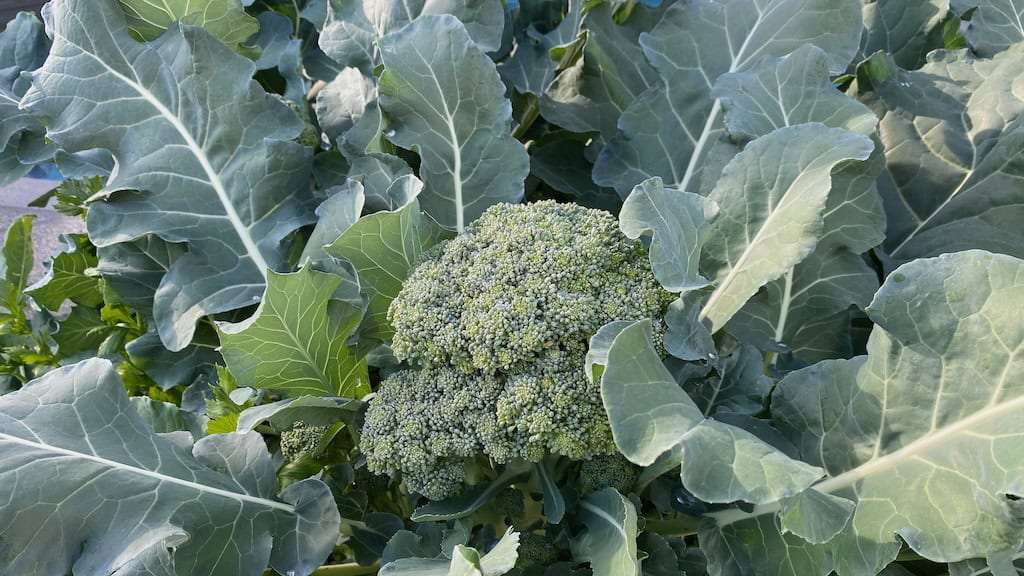
There are two main types: heading broccoli and sprouting broccoli.
Heading broccoli forms one main central head. Sprouting broccoli produces smaller, broccolini style florets.
Within heading types, there are different head sizes. Some are small heading varieties, some medium, some large, and a few extra large. The challenge in Florida is finding a variety that is both large headed and heat tolerant. Those two traits do not always go together.
Green Magic has been one of the more consistent large heading varieties for me. Arcadia has also performed beautifully, but it can be hard to source true seed, and I have received mislabeled varieties before. That is frustrating when you are waiting four months for a head.
Many starts sold in stores are smaller heading types like Waltham or DiCicco. These do produce heads, but they are usually small. With those varieties, the real harvest comes from side shoots after the main head is cut.
Sprouting broccoli tends to be more heat tolerant overall. There are even purple sprouting types that some gardeners grow almost year round in warm climates. Just know that you are trading large central heads for smaller, repeated harvests.
If you want big heads in Florida, look for varieties described as heat tolerant and large heading. Then test them in your garden. Listening to other Florida growers is helpful, but your microclimate always has the final say.
Feeding Broccoli the Right Way
Broccoli is a heavy nitrogen feeder.
When you look at a fertilizer label, the first number is nitrogen. The second is phosphorus. The third is potassium. For winter brassicas like broccoli, cauliflower, cabbage, kale, and collards, that first number is what matters most.
Blood meal is one of my favorite winter amendments because it is high in nitrogen. A label that reads 12-0-0 means it is delivering primarily nitrogen, which drives leafy growth and head development.
If you prefer a liquid option, fish fertilizer works well too. Something like Alaska’s fish fertilizer with a 5-1-1 is still nitrogen forward but more balanced. The tradeoff is that liquids need to be applied more frequently, while granular amendments like blood meal can last longer in the soil.
Most winter crops benefit from nitrogen early in their growth. Even garlic and onions appreciate that boost at the beginning of their season.
If your broccoli looks pale, slow, or stunted, nutrition is often the issue.
Watering and Patience
Broccoli appreciates consistent moisture. About an inch of water per week is a good baseline, but always adjust based on your soil and weather. Mulch helps tremendously in keeping roots cool and soil evenly moist.
The hard part is patience.
Broccoli stays small for what feels like forever. Then suddenly, it takes off. I have learned not to panic during that slow phase. It is building roots and structure before committing to that head.
When to Harvest Without Missing the Moment

Harvest timing makes all the difference.
A ready broccoli head will feel tight and firm. When you gently press the florets, they should not separate easily. The dome shape should be compact, not spreading.
If you start to see the head loosening, stretching upward, or small bits of yellow forming deep inside, that plant is preparing to flower. You can still eat it at that stage, but flavor will decline quickly once full flowering begins.
I usually wait just long enough to see if the head will size up a bit more, but I do not let it spread too far. Once it starts to open, you are on borrowed time.
Cut the main head a few inches down the stem. Then leave the plant in place.
The Secret Is in the Side Shoots
The main head is just the beginning.
After you remove it, broccoli produces side shoots from the leaf nodes. These are smaller florets, but they can be abundant. I have harvested side shoots every week for a couple months after cutting the central head.
One mistake I learned the hard way is removing too many leaves early. If you strip leaves off to eat while waiting for side shoots, you reduce the plant’s ability to produce them. Those big leaves are feeding the plant and fueling future harvests.
Leave the plant full and bushy. Let it work for you.
Dealing With Pests
Broccoli is fairly resilient, but young seedlings can attract slugs and cutworms. I often check at night and hand pick if needed. Recycled toilet paper rolls placed around small transplant’s stems create a simple physical barrier against cutworms.
Once established, broccoli can experience issues with aphids and worms. This often occurs later in the season when warm temperatures have returned. Spinosad or BT works well for worm control and Insecticidal soap is a good option for aphids.
A Final Thought on Growing Broccoli in Florida
Growing broccoli in Florida has given me a deep appreciation for what it takes to produce those massive piles in the grocery store. It is not a fast crop. It is not low effort. But when you get the timing right, choose the right variety, and feed it well, you can absolutely harvest beautiful heads here.
It just requires understanding that we are not gardening in a traditional cold climate. We are gardening in a place where heat lingers, winter light is weaker, and timing is everything.
Once you adjust for that, broccoli stops being frustrating and starts being one of the most rewarding winter vegetables you can grow.
If you’re looking for even more detailed guidance on growing veggies here in Florida—like when to start seeds, how to manage pests, and what varieties really thrive—don’t forget to check out my ebook! It’s got a chapter for every single vegetable and is packed with everything I’ve learned over the years gardening in Florida.