
Last Updated on November 27, 2025 by Homegrown Florida
Florida gardening hits its stride in November. The heat finally pulls back, the pest pressure eases up, and the cool season crops that struggle all year finally get their moment. A November Florida garden is all about planting with confidence, keeping an eye on the weather, and setting yourself up for steady harvests through winter.
Below is a simple guide to what you can plant right now across the state, plus the small regional differences that still matter.
Table of Contents
This post may contain affiliate links. Read full disclosure here.
What to Plant in your November Florida Garden
November is one of the easiest months to fill your garden because almost every cool season vegetable is fair game. If you have been waiting for the right time, this is it.
Greens
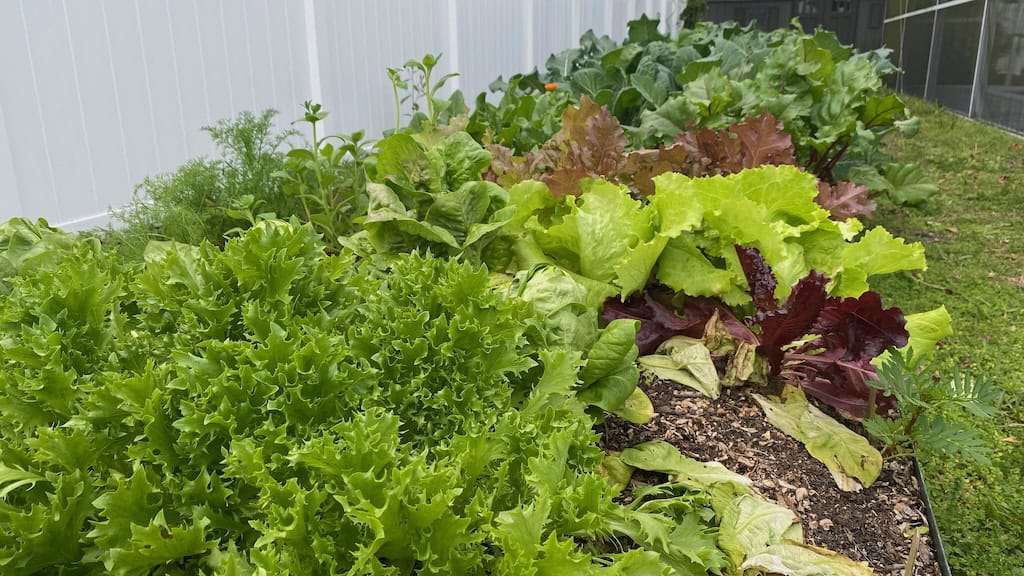
Arugula, endive, escarole, lettuce, Swiss chard, collards, kale, mustard, and spinach all grow extremely well this time of year. They handle temperature swings, they germinate quickly, and they are very forgiving for new growers.
Celery is also possible, but only if you start it very early. It has a long growing season, so November is borderline in most areas. If you want to try it, plant it now without delay.
Brassicas

Broccoli, cauliflower, cabbage, Chinese cabbage, kohlrabi, and Brussels sprouts can all be planted this month.
Brussels sprouts are similar to celery in that they need a long growing season. If you do not start them early enough, they tend to stall out once spring heat arrives.
Root Vegetables
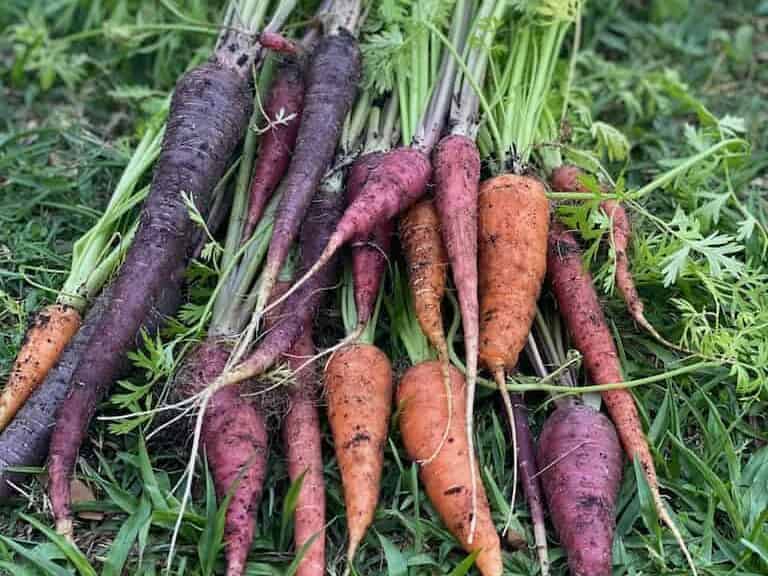
Carrots, beets, radishes, turnips, and rutabagas all thrive in November.
- Carrots need consistent moisture to germinate, so cover the soil lightly with cardboard, burlap, or a thin mulch to prevent it from drying out.
- Beets respond well to a small boost of nitrogen early on if they stall at the two to three inch stage.
- Radishes and turnips grow quickly and are great for filling spaces between other crops.
You can also grow bunching onions in your November Florida garden Bulbing onions from seed are trickier this late in the season, so most gardeners switch to onion starts this month.
Why I Recommend Onion Starts in November
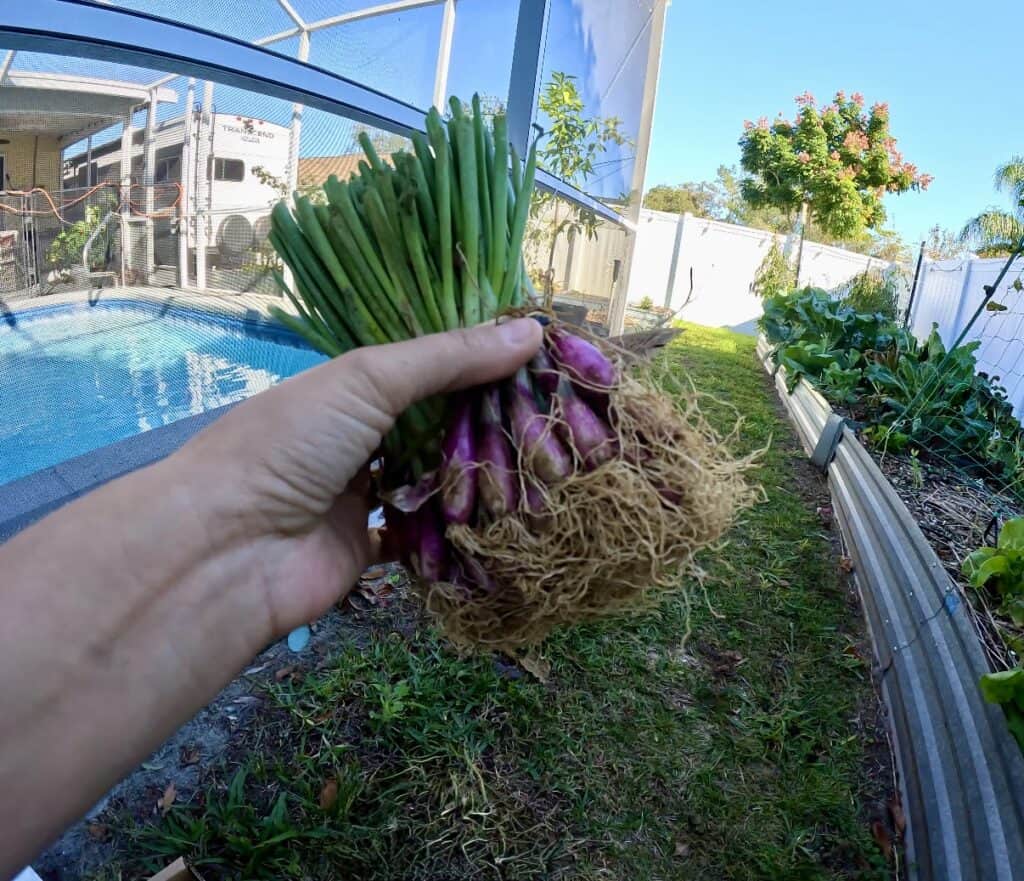
Bulbing onions have a short window in your November Florida garden. You only get one shot each year, and young onion seedlings are fragile. I always recommend picking up onion starts in November because they transplant easily, they are already mature enough to handle our weather, and they save a lot of time.
If you want a dependable harvest without guessing, starts are the way to go.
Hoss currently has a short day sampler pack that works well across the state which I highly recommend.
Regional Notes for North, Central, and South Florida
Even though most of the state grows the same crops in November, a few differences still matter.
North Florida
You are most likely to see frost this month. Some years you may even see a light snow.
Cold season vegetables can handle frost, but you will want to think ahead if you are still holding onto warm season crops like tomatoes, peppers, squash, or cucumbers.
If you want to protect them, pick up frost covers early because they sell out quickly when cold weather is forecasted. Planket is one of the more durable options I have used and highly recommend but don’t wait till a frost is coming because they sell out fast.
Brassicas, greens, carrots, beets, onions, garlic, and strawberries can all handle frost without problems. Strawberries only need protection if they are currently fruiting and you want the berries to be damaged. Otherwise the plant itself can handle cold temperatures.
Central Florida
Most of the same rules apply, but frost is less severe. I rarely cover strawberries, brassicas, or carrots here. Warm season crops can hang on a bit longer if you want to stretch their harvests.
Peas and potatoes can both be planted this month. Peas benefit from succession planting every two weeks.
For garlic, make sure it has vernalized in the refrigerator for at least six weeks before planting. Twelve weeks is ideal, especially for gardeners in the warmer areas of Central Florida.
South Florida
Your temperatures stay warm enough that you can grow both cool and warm season crops right now.
Tomatoes, peppers, squash, beans, cucumbers, and even some heat loving crops will still grow, although more slowly. Hand pollination may be needed since there is less insect activity in winter.
You can also grow potatoes and peas this month with no concern for frost.
Garlic is possible, but it is more challenging this far south. Vernalize for the full twelve weeks and stick with softneck or Creole varieties that handle heat better in late spring.
Garlic Planting Window

November and early December are the main garlic planting months across the state.
If your cloves have already spent six to twelve weeks in the fridge, you can plant them now.
Plant pointy side up, four to six inches deep, and mulch well to protect the soil moisture. Check out my detailed blog on growing garlic in Florida for more info.
If you still need garlic, look for pre-vernalized options or get them into the fridge immediately and plant in mid December.
Final Thoughts
November is one of the most rewarding months to garden in Florida. The pests calm down, the heat becomes manageable, and the cool season crops that struggle all year finally thrive. If you stay consistent with seed starting and pay attention to your regional temperature swings, you will set yourself up for a November Florida garden that produces steadily through the next few months.
If you’re looking for even more detailed guidance on growing veggies here in Florida—like when to start seeds, how to manage pests, and what varieties really thrive—don’t forget to check out my ebook! It’s got a chapter for every single vegetable and is packed with everything I’ve learned over the years gardening in Florida.