Last Updated on December 18, 2025 by Homegrown Florida
Onions look simple at the store, but onion growing in Florida is a whole different story. I used to think I could just grab a packet of onion seeds, sprinkle them in some soil, and wait for big beautiful bulbs. What I got instead was a tray of stubborn little threads that collapsed, rotted, or stalled out after weeks of babying them.
I still like starting onion growing from seed. I just do not trust seeds by themselves any more. There is only one window each year to get them going in Florida, and that window is tight. So now I treat seeds as an experiment and onion starts as my insurance policy.
Table of Contents
This post may contain affiliate links. Read full disclosure here.
Why Onion Seeds Are So Difficult In Florida
Let us start with the part nobody tells you. Onion seeds are divas.
1. The seeds do not stay viable very long
Onion seed loses vigor quickly. After one year the germination rate drops hard. You can easily see half the seeds fail, even if you store the packet carefully. If you have been hanging on to onion seed for more than one season, assume a lot of it will not sprout.
2. The germination rate is poor even when the seed is “fresh”
I have sown close to a hundred seeds and ended up with twenty or so usable seedlings. That is not a spacing issue. That is just how finicky they are. So if you want a full bed from seed, you have to sow way more than you think and still accept there will be gaps.
3. They want dry soil and full sun at the same time
This is the fun part. Onion seedlings in my Florida garden have been happiest when the soil is almost bone dry. Think “succulent level dry.” The kind of dry that makes you nervous. At the same time they want full sun from morning to evening. Any extended shade and they stretch, weaken, and sulk.
Now layer that on top of a typical Florida fall.
- Long stretches without rain
- Then twelve inches from a storm all at once
- Plus sprinkler schedules to dodge
To keep rain off the trays I ended up:
- Checking the forecast every morning
- Moving the trays out into full sun
- Bringing them onto the patio or under cover any time rain or sprinklers were coming
- Repeating that dance for weeks
Every two weeks I bottom watered with a high nitrogen liquid fertilizer, because they also like to be fed often when they are tiny. It worked, but only because I treated them like high maintenance house plants. One bad week and they would have been gone. That is why I do not trust onion growing seeds alone. I still start some, but I always order starts as backup.
Short Day, Intermediate, and Long Day Onion Growing
The next big piece is day length. If you plant the wrong type of onion for your latitude, no amount of good soil can save the harvest. Onions form bulbs based on how many hours of daylight they receive.
- Short day onions start bulbing when days reach about ten to twelve hours of light
- Intermediate onions need closer to twelve to fourteen hours
- Long day onions want fourteen to sixteen hours or more
Think about Florida for a moment. Our daylight does not swing as wildly as somewhere like Alaska. Florida gardeners sit squarely in short day territory. That means:
- Short day onions are the best match for our climate
- Intermediate onions can work in some parts of northern Florida, but timing it’s a gamble
- Long day onions are a waste of bed space here
If you accidentally buy long day seed for a Florida garden, you can do everything right and still end up with plants that never bulb properly.
Seeds, Sets, and Starts: What Actually Makes Sense In Florida
Garden books love to list all three options as if they are equal. In a hot, humid state like Florida, they are not.
Onion seeds
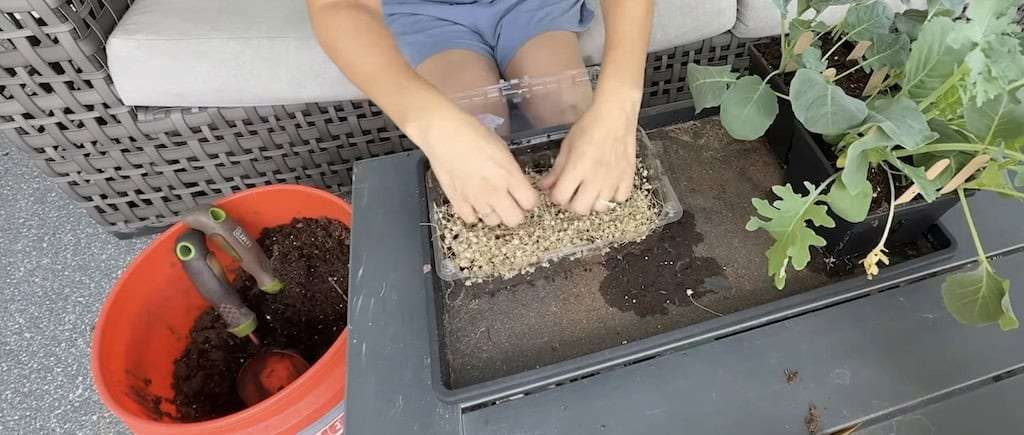
- Cheapest per plant
- Best if you want unusual varieties
- Very short seed life, poor germination, lots of babying
- Easy to lose an entire year from one mistake
I treat seeds as a side project, not the main plan.
Onion sets
Sets are tiny dry bulbs. They look like marbles.
Pros:
- Very quick to plant
- Faster harvest
- Convenient for some climates
Cons, especially for the South:
- Often the long day length type
- Frequently produce small or split bulbs
- Higher chance of bolting because they are already partway through their life cycle
I do not reccomend sets for Florida. If I want big storage onion growing here, I would rather use starts.
Onion starts
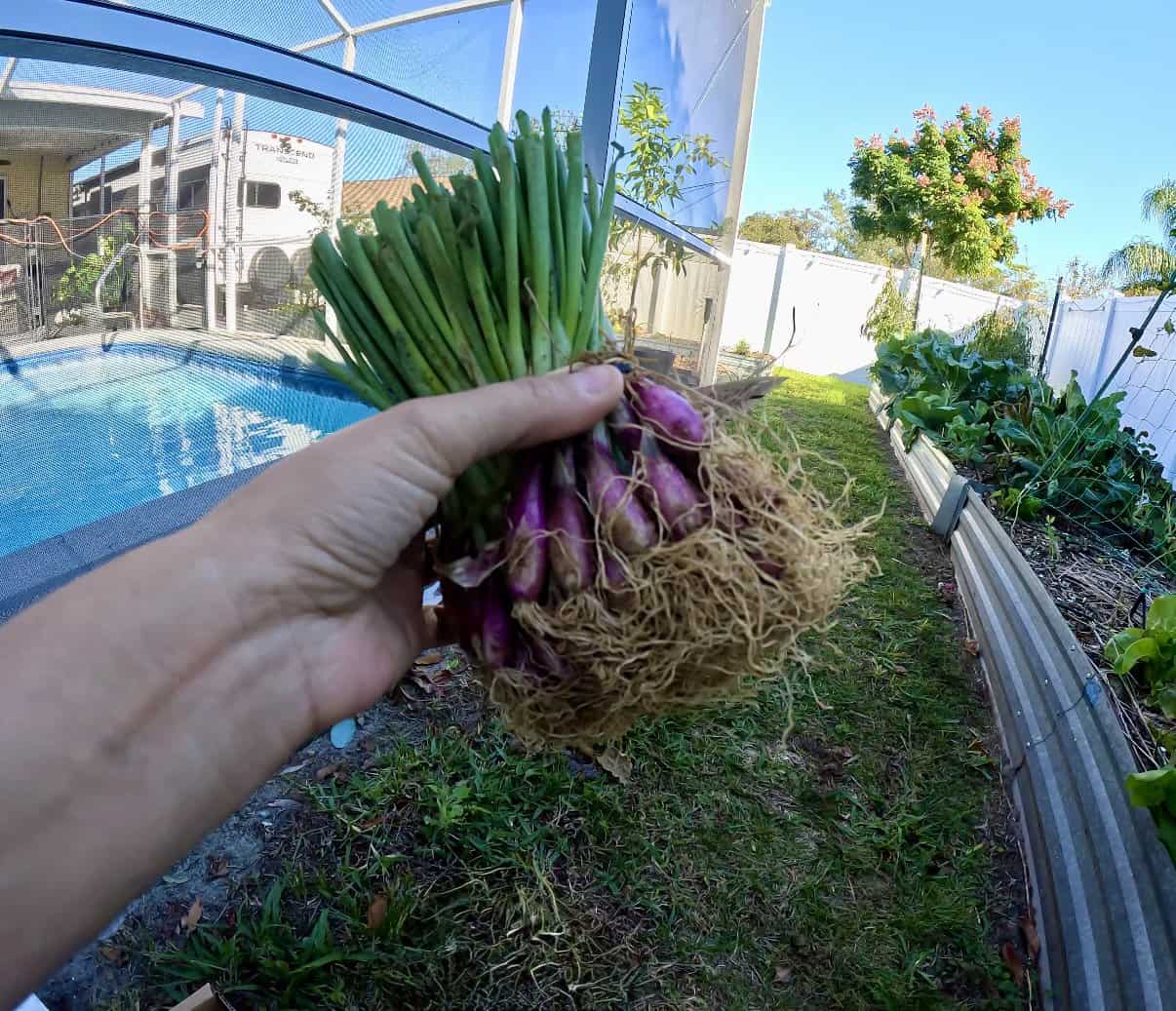
Starts are the little green plants that arrive bundled with small roots and a baby bulb forming at the base.
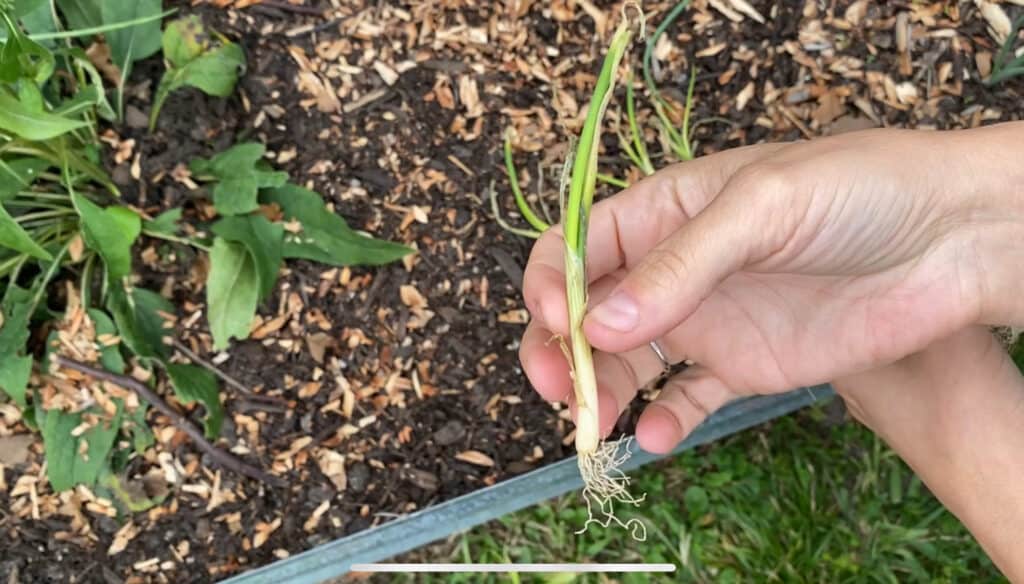
Pros:
- Skip the most fragile stage
- More forgiving with watering
- Faster to establish in the bed
- Ideal when you have one narrow planting window
Cons:
- Cost more than seed
- You need to order early before they sell out
For my Florida garden, short day onion starts are the sweet spot. I still play with seeds, but the bulk of my onion growing harvest comes from starts. Recently I have been using a short day sampler bundle from Hoss. It includes:
- Texas Early White
- Vidora
- SoFire
All in one box, all sized up and already starting to swell at the base. Compared to my spindly little home grown seedlings, the difference is pretty dramatic.
How I Prep Beds For Onion Starts In Florida
Onions like a loose, rich, well drained soil that stays slightly cool around the bulbs. Florida gives us hot sun and sandy soil, so I have to help the bed along. Here is what I do before any onion starts go in:
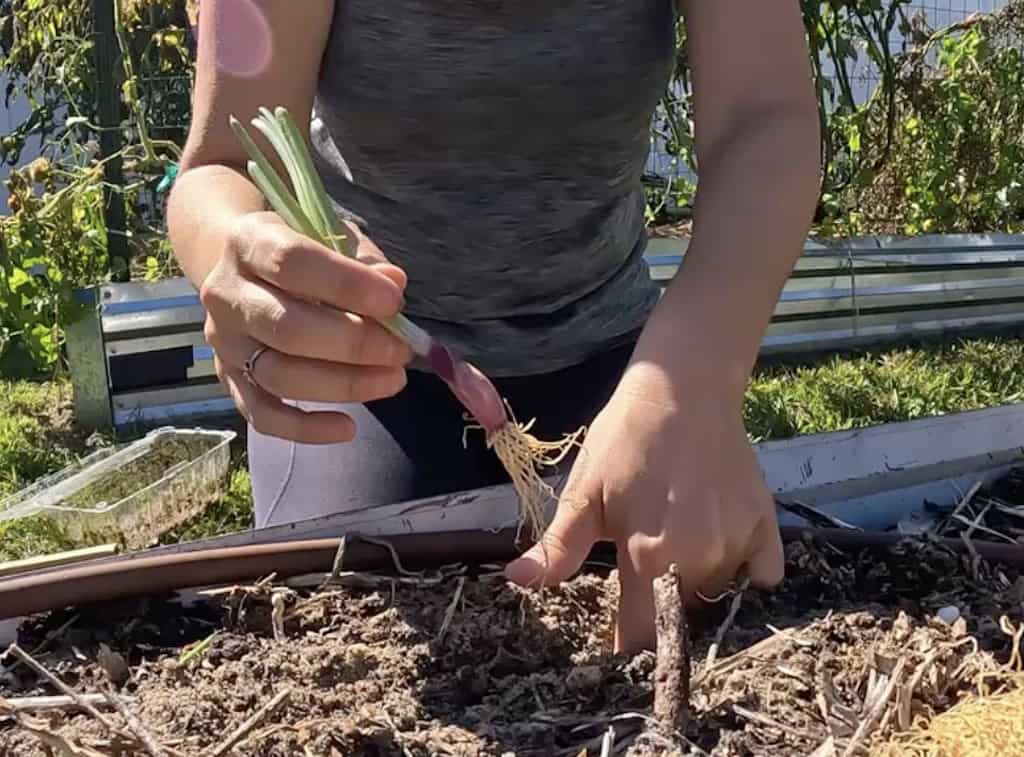
- Check the bed location
- Full sun through winter
- Good drainage, no standing water after a rain
- Amend based on soil testing
- I add blood meal or another high nitrogen source if my test shows low nitrogen
- I add potash only if my soil test indicates that my potassium is low
- I add bone meal only if my soil test indicates that my phosphorus is low
- I work these into the top layer of soil
- Rake the surface smooth
- Remove big chunks of old mulch right where the bulbs will sit
- Leave most of the mulch in place between rows if it is broken down
- Plant spacing
- I aim for about 4-6 inches between plants
- I stagger rows in a diagonal pattern so each bulb has room to swell
The goal is a soft, airy top layer that holds moisture but does not stay soggy around the neck of the onion.
Step By Step Planting Onion Starts
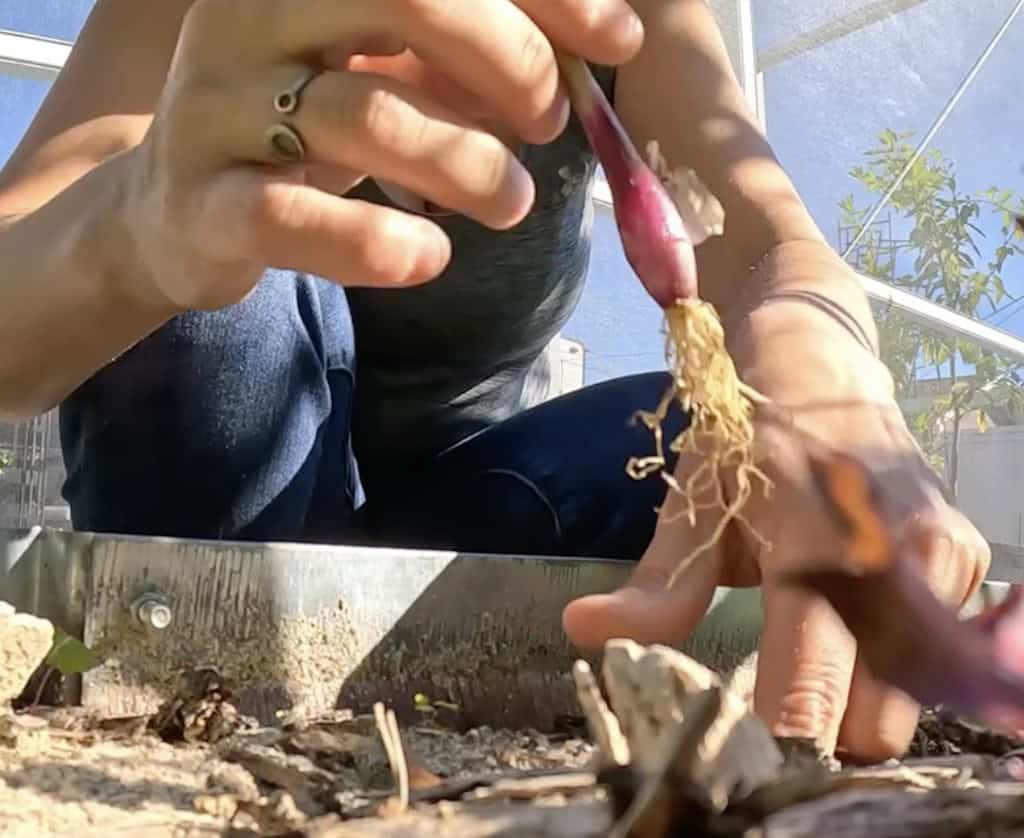
1. Sort and separate the starts
- Gently tease the bundle apart
- Discard any that are dried out, mushy, or extremely tiny
- Group by variety so you can keep track of which row is which
You may be surprised how many plants are in one bundle. It is often more than the label suggests.
2. Make planting furrows
- Use your finger to make a small hole up to your first knuckle
- Plant in rows about 4-6 inches apart
- I prefer a diagonal pattern. Instead of lining each start directly in front of the last row, I stagger them between plants so each bulb has its own space.
3. Set each start at the right depth
- Make a small hole with your finger
- Tuck the start in so the white base and roots are in the soil
- The spot where green growth begins should sit right at soil level
- Do not bury the plant deeply. A deep planting can slow growth or cause rot.
Firm the soil gently around each plant so it stands upright.
4. Water in well
Right after planting:
- Use a watering can or gentle shower setting
- Soak the entire bed so roots make good contact with the soil
For the first week or two I keep the soil consistently moist, not soggy. After that I let the top layer dry slightly between waterings.
Ongoing Care
Watering
- First few weeks: water about twice a week if it does not rain
- Through winter: usually once a week is enough in my Florida garden
- As spring heat arrives: back to about twice a week, sometimes more often if the wind and sun are intense
Consistency matters more than perfection. Big swings between bone dry and soaked can stress them.
Mulch
As the plants start to grow:
- I add a fresh layer of mulch between rows
- I leave a little bare soil right around each neck so the bulb is not buried too deeply
- The mulch helps keep the soil cooler and holds moisture
Onions like cool roots and warm tops, which is why good mulch makes such a difference here.
Fertilizer schedule

- Early growth
- Focus on high nitrogen to grow strong tops
- Options include blood meal, feather meal, or a high nitrogen liquid like Alaska fish fertilizer with a 5-1-1 ratio
- Apply lightly every few weeks through winter
- As days lengthen
- Around February and March in my zone 9b garden I switch to an all purpose organic fertilizer
- A balanced blend like a 4-3-2 chicken based product or a tomato and vegetable fertilizer works well
Once they move into the bulbing stage I ease off. At that point the plant has done the leaf building work and just needs steady moisture and time.
When Onion Seed Still Has A Place
After all that, you might think I never start onion growing from seed. I still do. I just treat it differently now. Onion seed makes sense when you:
- Want a very specific variety that does not come as a start
- Enjoy the challenge and do not mind babysitting trays for months
- Have room to fail without losing your entire onion growing harvest
In my own garden seed is the experiment and short day starts are the plan. I order a bundle of starts every year so I am not relying on perfect weather and perfect timing with seed trays.
Final Thoughts
If you are in Florida and you have tried onions once or twice and thought, “I guess they just do not grow here,” it is probably not you. It is more likely:
- The wrong day length type
- Seeds that were old or already weak
- Too much water on tiny seedlings
- No backup plan when the trays failed
Switching to short day onion starts, prepping a rich bed, and keeping a simple fertilizer and mulch schedule has completely changed my onion growing harvests. Seeds are now a side project, not the main event.
If you’re looking for even more detailed guidance on growing veggies here in Florida—like when to start seeds, how to manage pests, and what varieties really thrive—don’t forget to check out my ebook! It’s got a chapter for every single vegetable and is packed with everything I’ve learned over the years gardening in Florida.