Last Updated on June 22, 2026 by Homegrown Florida
I can’t be the first gardener who nearly passed out in the heat trying to keep a Florida summer garden alive. For years I planted all the usual vegetables, spent hours watering, battled insects, fought disease after every rainstorm, and ended up with disappointing harvests. Eventually I realized I was trying to force cool-season and spring crops through a season they simply weren’t designed to handle.
Now I take a completely different approach.Instead of fighting my Florida summer garden, I grow crops that actually enjoy it. Most of these are what I call “set it and forget it” plants. I direct seed them, water them in for a few days, and then mostly leave them alone until harvest.
If you’re wondering what to plant during the hottest months of the year, here’s what I grow in my Florida summer garden.
Table of Contents
This post may contain affiliate links. Read full disclosure here.
Root Crops That Thrive in Summer
Sweet Potatoes
If I could only grow one summer crop, sweet potatoes would be near the top of the list.

They’re productive, drought tolerant once established, and they improve the soil while they grow. The vines act as a living mulch, covering the soil and protecting it from the brutal summer sun.
One of the things I love most about sweet potatoes is that they don’t need perfect soil. In fact, they often perform better in average soil than heavily amended beds.
They take about 4 to 6 months to mature, but during that time they are doing several jobs at once:
- Producing food
- Protecting the soil
- Adding organic matter
- Reducing weed pressure
And at the end of the season, you get a harvest of sweet potatoes.
Other Tropical Root Crops
Summer is also the perfect time to start:
- Taro
- Cassava
- Yuca
- Ginger
- Turmeric
Most of these take significantly longer than sweet potatoes, often 8 to 10 months, which is why I like getting them started as early in the warm season as possible.
Summer Greens That Actually Taste Good
Every year I get asked what lettuce people should grow in their Florida summer garden. Honestly? I don’t recommend most lettuce varieties once the heat arrives.
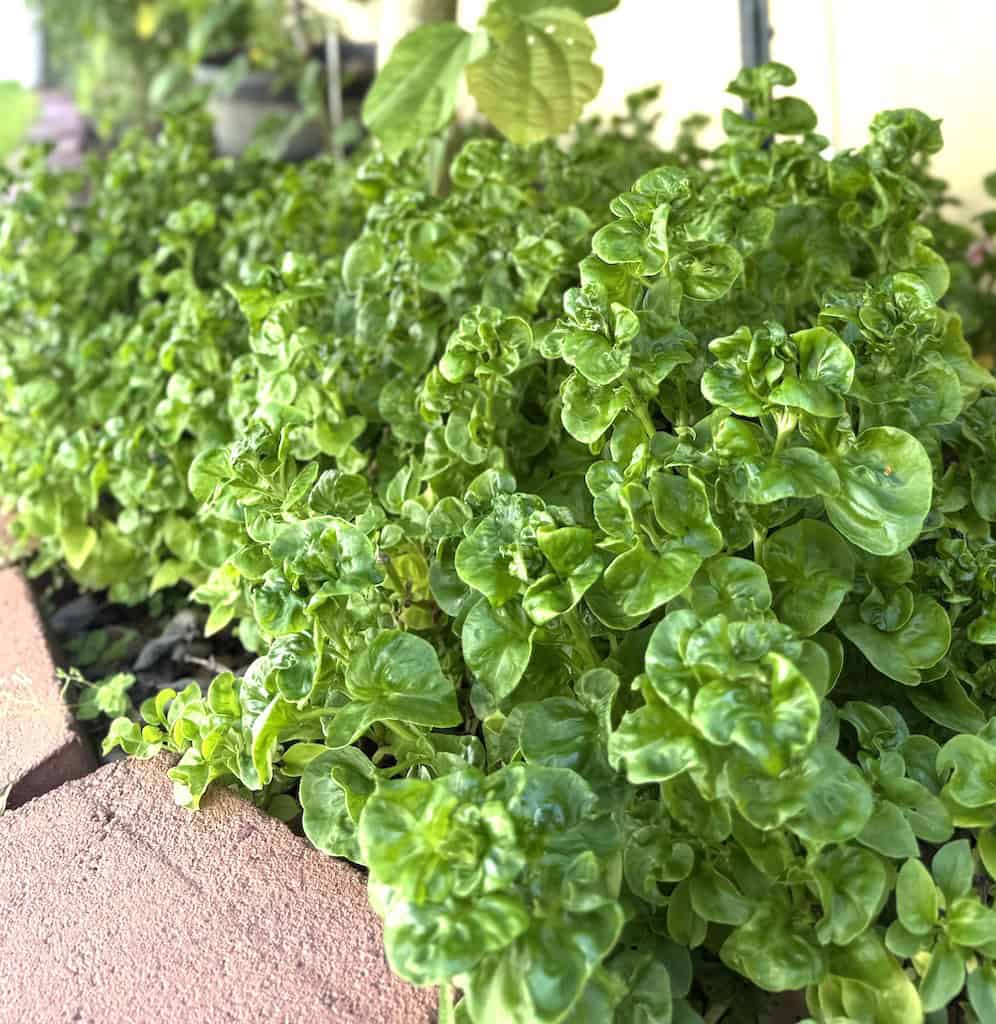
Yes, there are heat-tolerant lettuces available, but in my experience they often become bitter and unpleasant. Instead, I switch to tropical greens.
Some of my favorites include:
- Ethiopian kale
- Cranberry hibiscus
- Egyptian spinach
- New Zealand spinach
- Malabar spinach
- Swiss chard
- Sissoo spinach
These greens are far better adapted to heat and humidity than traditional lettuce.
The best part is that everyone seems to have a different favorite. What tastes amazing to one gardener might not appeal to another, so I always encourage people to experiment and find the varieties they enjoy most.
The Best Summer Beans
If there is one category that absolutely shines for a Florida summer garden, it’s legumes.
Puerto Rican Black Bean

This is probably my favorite summer crop of all. Technically it’s a cowpea, but it grows like an absolute monster. One plant can take over an entire garden bed.
Besides producing food, it also fixes nitrogen into the soil and creates dense shade over the bed surface. It’s productive, resilient, and practically impossible to kill.
Other Cowpeas
Other excellent options include:
- Whippoorwill peas
- Iron and Clay cowpeas
- Texas Cream peas
- Black-eyed peas
These crops handle heat far better than traditional beans and continue producing when most other vegetables have given up.
Yard Long Beans
Yard long beans are another excellent summer option. Unlike bush beans, these need a trellis because they grow aggressively and produce impressively long pods. You can harvest and cook them much like regular green beans.
Additional Legumes
Other good summer legumes include:
- Winged beans
- Lima beans
- Peanuts
Peanuts are especially useful because they improve the soil while also producing a harvest.
Squash That Survives Summer
Traditional zucchini often struggles in a Florida summer garden. Instead, I focus on tropical squash varieties.
Seminole Pumpkin

This is a Florida classic for a reason. Seminole pumpkins grow aggressively, tolerate heat, handle humidity, and keep producing long after other squash varieties have collapsed. I like growing mine vertically on palm trees, but they also do well on fences and trellises.
Other Summer Squash Options
Some additional favorites include:
- Tahitian melon squash
- South Anna butternut
- Tromboncino squash
- Luffa
Most of these are vigorous growers that require plenty of room but very little attention once established.
Summer Fruits Worth Growing
Roselle

Roselle might be the most underrated summer crop I grow. It loves heat. It loves sand. It loves Florida.
Unlike many garden crops, roselle actually performs better for me in native sandy soil than in raised beds.
The harvest can be used fresh, frozen, dehydrated, canned, or freeze-dried. One productive season can provide enough roselle for years.
Other Summer Fruits
Additional warm-season favorites include:
- Pineapple
- Papaya
- Passion fruit
All of these appreciate Florida’s long hot growing season.
Tropical Fruit Trees
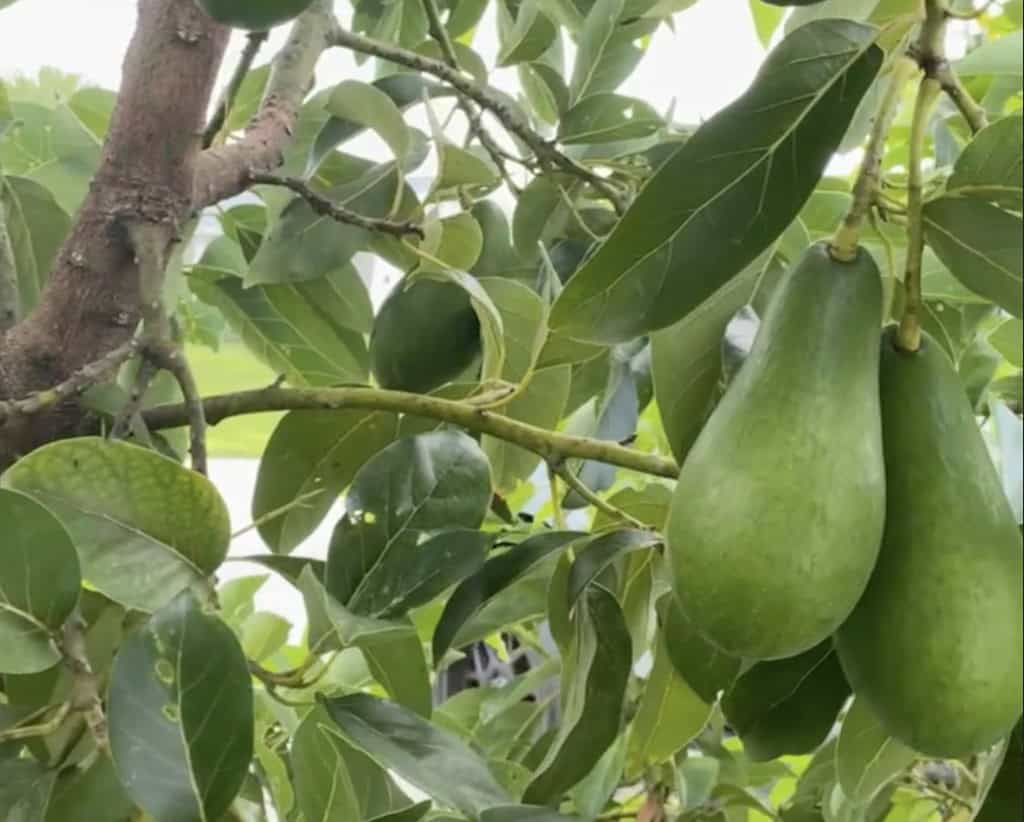
Summer is also a good time to plant tropical fruit trees, including:
- Mango
- Avocado
- Jaboticaba
These trees naturally grow during warm weather and generally establish well through the summer months.
Temperate fruit trees like peaches, plums, blueberries, and blackberries are a different story. I prefer planting those in late winter or spring before the worst heat arrives.
Crops That Barely Need Any Work
Okra
I know people either love or hate okra. Even though it’s not my favorite vegetable, I have to admit it performs exceptionally well during summer. Once established, it handles heat with very little intervention.
Specialty Cucumbers
Most cucumbers struggle through Florida summers. The exceptions tend to be:
- Armenian cucumbers
- Asian cucumbers
- Suyo Long cucumbers
- Cucamelons
These varieties are generally much better adapted to hot weather than traditional slicing cucumbers.
What About Tomatoes?
Let’s address the question I get every single year. Can you grow tomatoes during a Florida summer? Technically, yes.

Can you grow tomatoes easily during a Florida summer? Not really.
Most tomato varieties stop setting fruit once temperatures consistently exceed about 85°F. The plants may continue growing, but the flowers often fail to pollinate and simply drop off. The one variety I consistently recommend is Everglades tomato.
Even then, you’re still dealing with:
- Heavy pest pressure
- Disease pressure
- Extra watering
- Extra feeding
- Often some form of shade
For me, that’s more work than I want to do during the hottest part of the year.
Flowers for a Florida Summer Garden
Summer doesn’t have to be all vegetables. Some of my favorite flowers for this season include:

- Zinnias
- Sunflowers
- Marigolds
- Nasturtiums
These provide color, attract pollinators, and give you something beautiful to enjoy while most gardeners are hiding indoors with the air conditioning.
The Best Cover Crop for Florida
If your goal isn’t harvesting food but improving your soil, my favorite option is sunn hemp.

Sunn hemp:
- Fixes nitrogen
- Builds organic matter
- Suppresses weeds
- Improves soil structure
- Helps manage root-knot nematodes
I scatter seed, lightly scratch it into the soil, and let it grow. At the end of the season, I chop it down and leave the biomass in the garden. It’s one of the easiest ways to improve a garden bed while protecting it through the summer.
Final Thoughts
A Florida summer garden looks very different from a spring garden. Instead of forcing cool-season vegetables to survive impossible conditions, I focus on crops that actually enjoy the heat.
Sweet potatoes, tropical greens, cowpeas, Seminole pumpkins, roselle, peanuts, and sun hemp all thrive when temperatures soar and humidity becomes unbearable.
The result is less work, fewer problems, healthier soil, and a harvest that doesn’t require me to spend every afternoon sweating in the garden.
Sometimes the secret to successful Florida summer gardening isn’t working harder. It’s simply growing the right plants.