Last Updated on January 21, 2026 by Homegrown Florida
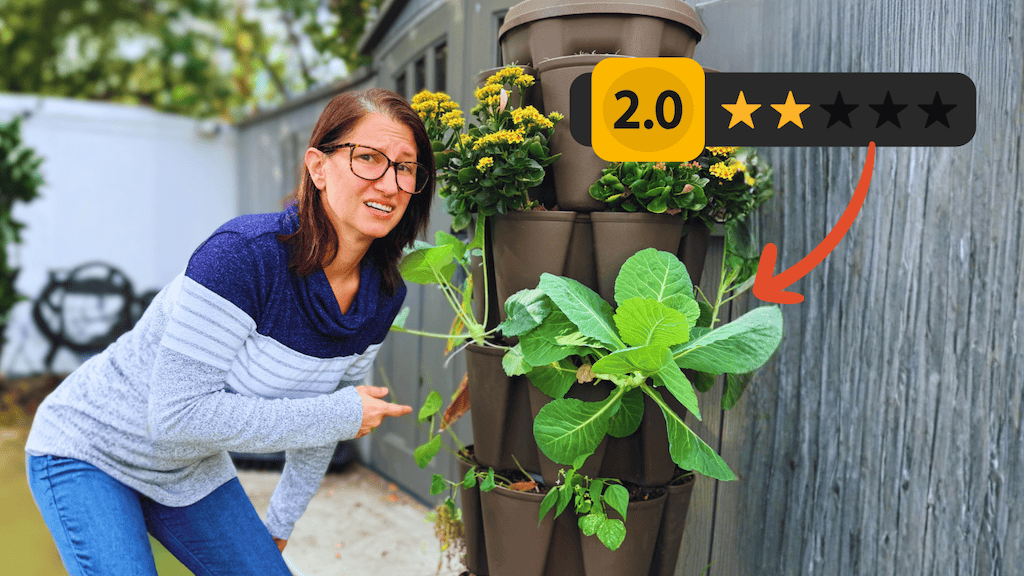
Over the last five years, I’ve grown a lot of different crops in my GreenStalk planters. Some have absolutely thrived, some have been decent but not amazing, and a few have made me wonder why I ever bothered trying them in the first place. So instead of talking about what could work in theory, I wanted to share what has actually worked for me long term, in a real Florida garden, with heat, humidity, pests, and all.
I’m ranking everything I’ve grown in my GreenStalks on a scale of one to five based on productivity, ease, and whether I’d actually grow it again.
Table of Contents
This post may contain affiliate links. Read full disclosure here.
Herbs (5 out of 5)

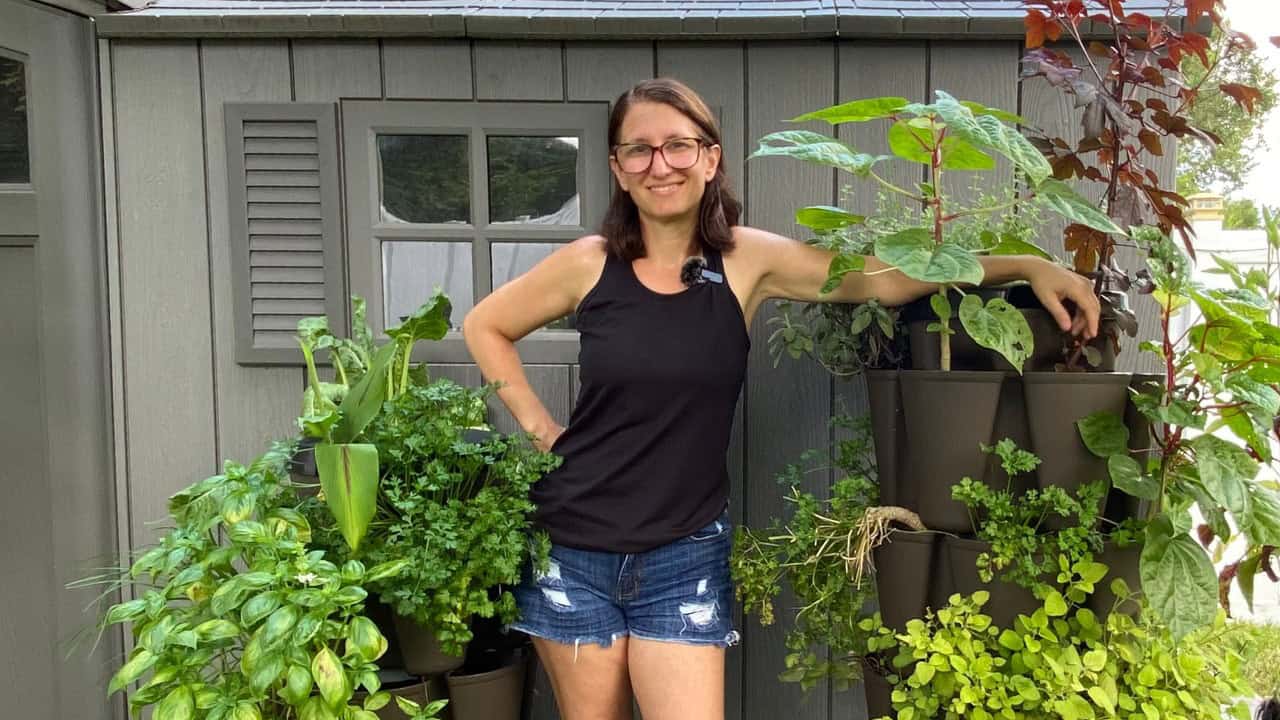
If there is one category where GreenStalks absolutely shine, it’s herbs. Over the years I’ve grown oregano, rosemary, mint, garlic chives, chives, basil, parsley, thyme, and even medicinal plants like the Vicks vapor plant. This is where these planters really earn their keep.
Perennial herbs do especially well, but I do recommend using the original GreenStalk, not the leaf version. The deeper pockets give herbs the root space they need to stay healthy year after year. One thing to be mindful of is aggressive growers like mint and oregano. I usually dedicate an entire tier to them because once they get going, they will absolutely take over and choke out anything planted nearby. I’ll plant annual herbs alongside them the first season, then let the perennial take over completely.
If herbs are high on your gardening list, this is an easy win.
Sweet Potatoes (3 out of 5)
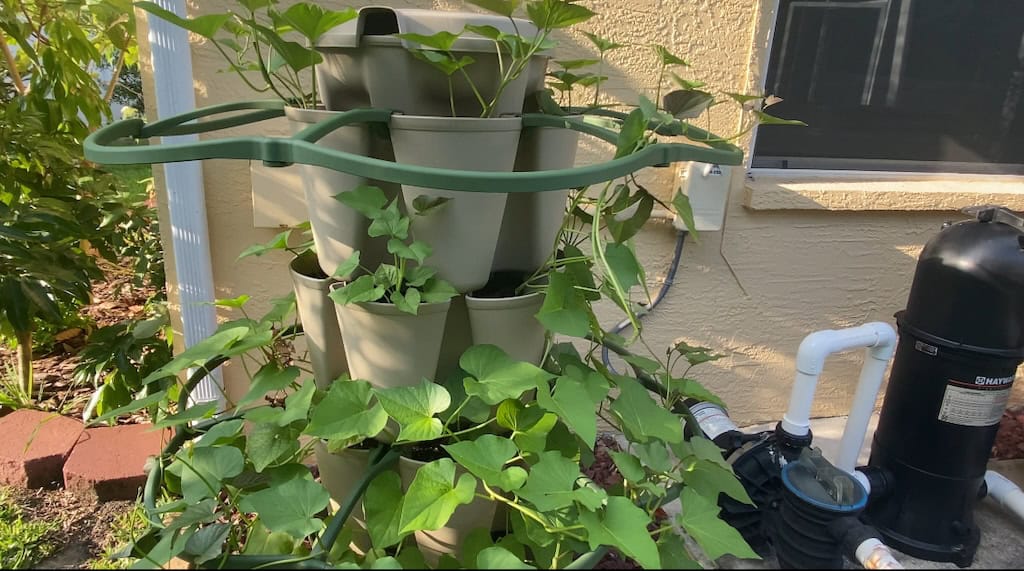
Sweet potatoes were honestly a surprise for me. I started growing them in GreenStalks after seeing them featured by one of GreenStalk’s master gardeners, and they’ve become a summer staple in my garden ever since. Florida summers are brutal, and sweet potatoes are one of the few crops that don’t just tolerate that heat, they thrive in it.
Growing them in containers also keeps them from spreading through the entire garden, which they will absolutely do if given the chance. The tradeoff is size. Sweet potatoes grown in containers are smaller than those grown in the ground, but the yield per square foot is impressive. From one original GreenStalk, which takes up about two square feet of space, I usually harvest somewhere between 12-25 pounds.
That said, they do require management. The vines need to be redirected, harvesting is heavy and awkward, and they prefer lower nutrient soil than most bagged mixes provide. I’ll always grow them this way, but they’re not completely effortless.
Tomatoes (1 out of 5)

There’s a reason you don’t see tomatoes in my GreenStalks anymore. I’ve tried. Repeatedly. Micro dwarfs and dwarf varieties technically work, but the results have never come close to what I get in the ground or even in raised beds.
Tomatoes are heavy feeders, they need consistent moisture, deep roots, and plenty of airflow. Keeping all of that balanced in a vertical container has always been more work than it’s worth for me. Even micro dwarfs like Tiny Tim produced poorly compared to garden beds, often yielding fewer than ten tomatoes per plant.
Unless you’re experimenting for fun or extremely limited on space, tomatoes are one crop I’d skip here entirely.
Lettuce and Greens (5 out of 5)

Lettuce and leafy greens are another standout. They grow fast, have shallow root systems, and don’t mind partial shade, which makes them perfect for vertical planters. I’ve grown lettuce, kale, Swiss chard, arugula, endive, escarole, and more with great success.
As long as you provide nitrogen, greens will happily keep producing. They don’t require the same nutrient complexity as fruiting crops, and they’re forgiving when conditions aren’t perfect. This is one of the easiest ways to maximize production in a small space, especially if your garden beds are already full.
Green Beans and Peas (3 out of 5)
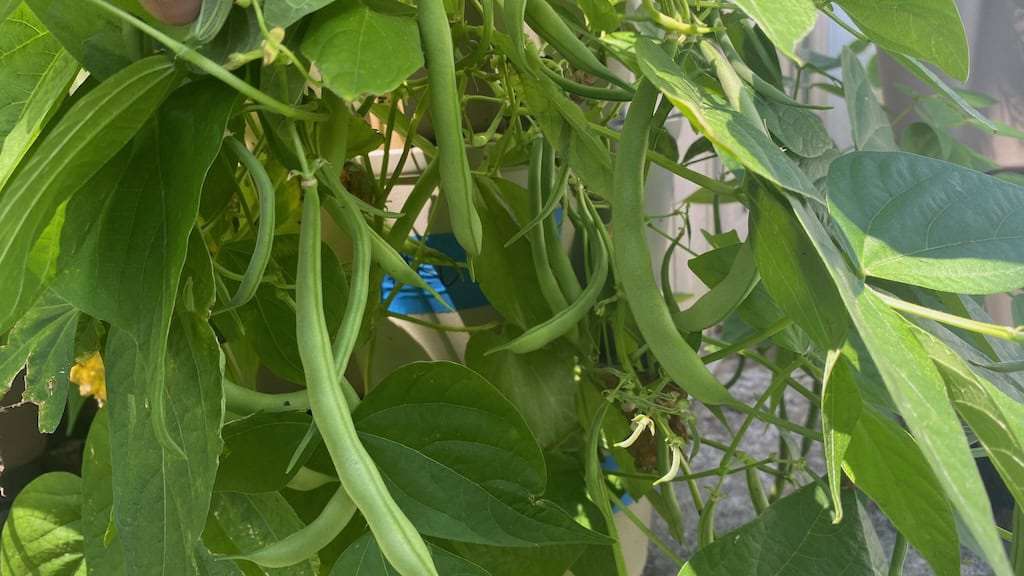
Bush beans do well, but they come with caveats. Vining varieties quickly become a tangled mess, so bush types are the only ones I recommend here. I’ve experimented with planting multiple plants per pocket and consistently found that one healthy plant performs just as well as three crowded ones.
Legumes also require inoculant since potting soil lacks the bacteria they need to fix nitrogen. That adds a layer of complexity, and yields are modest compared to pole beans grown in the ground. They’re fine if space is tight, but they’re not the most efficient use of a GreenStalk.
Brassicas (4 out of 5, with conditions)
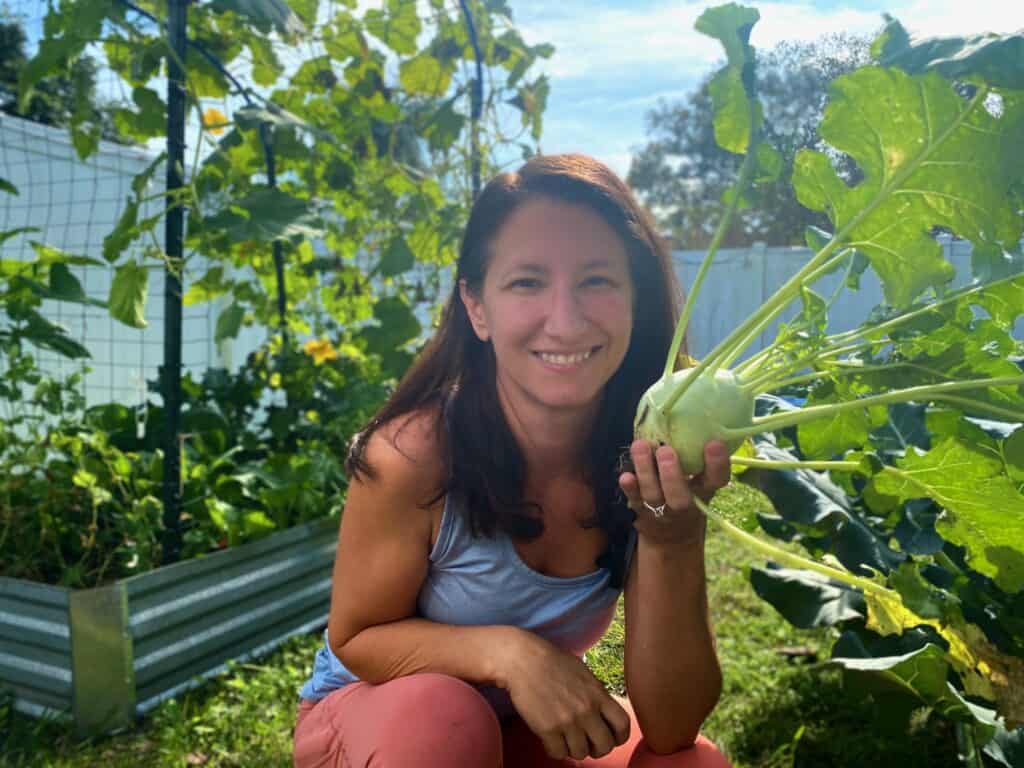
Full sized broccoli and cauliflower technically grow, but the heads are usually disappointingly small. The varieties that shine are compact ones like kohlrabi and mini cabbages. These have smaller root systems and perform much better in containers.
They do need consistent nitrogen, but otherwise they’re fairly straightforward. If you choose the right varieties, small brassicas can be a strong performer in a GreenStalk.
Strawberries (3 out of 5)
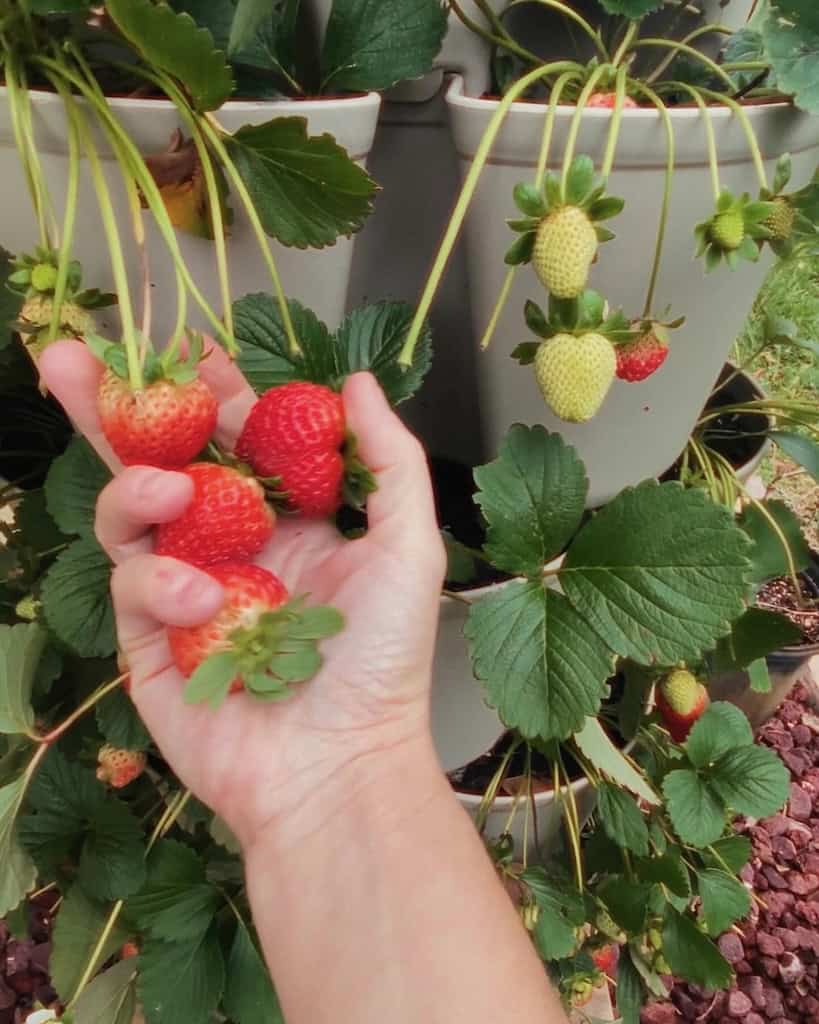
Strawberries are one of the most popular crops for GreenStalks, and for good reason. Keeping fruit off the ground dramatically reduces pest damage. And the design of the tiers helps increase airflow to decrease disease. My yields are much cleaner and more usable compared to growing them in beds.
That said, strawberries are finicky. They need evenly moist soil, balanced nutrition, and careful management. It took me years to get consistent results. The payoff is high, but they’re not beginner friendly.
Root Crops (TBD)
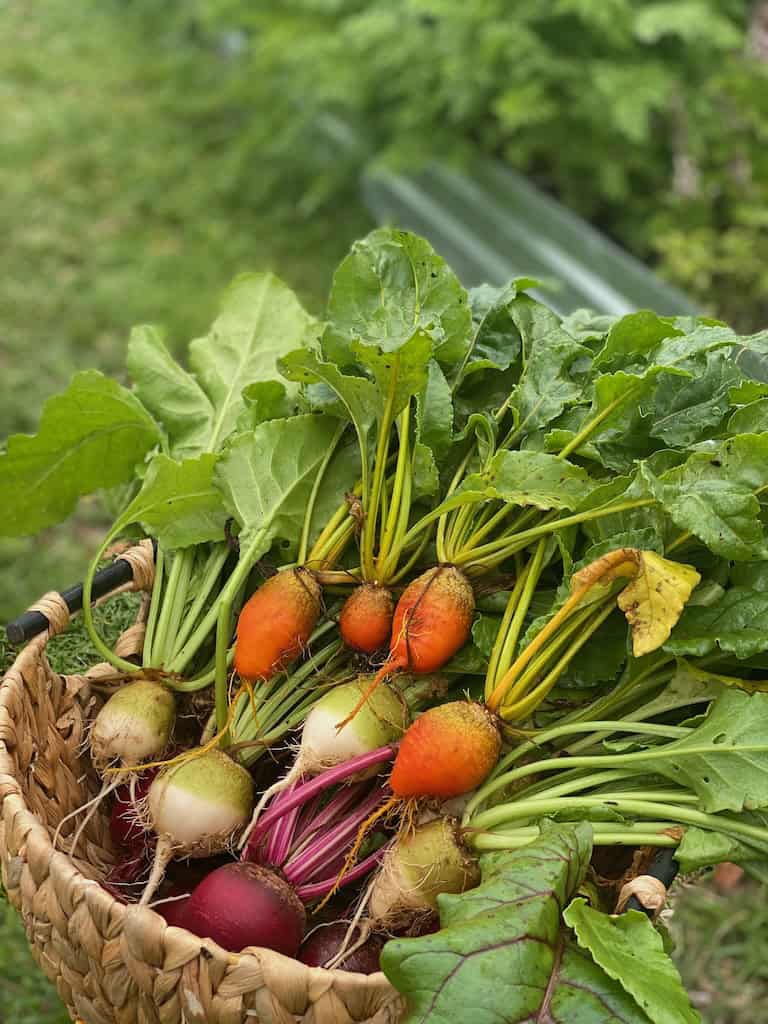
Root crops have been mixed so far. Sweet potatoes are a yes, but white potatoes, garlic, and onions have all struggled. Radishes and carrots are promising, but I haven’t harvested enough yet to give a fair rating. This is one category where I’m still gathering data.
Peppers (2 out of 5)
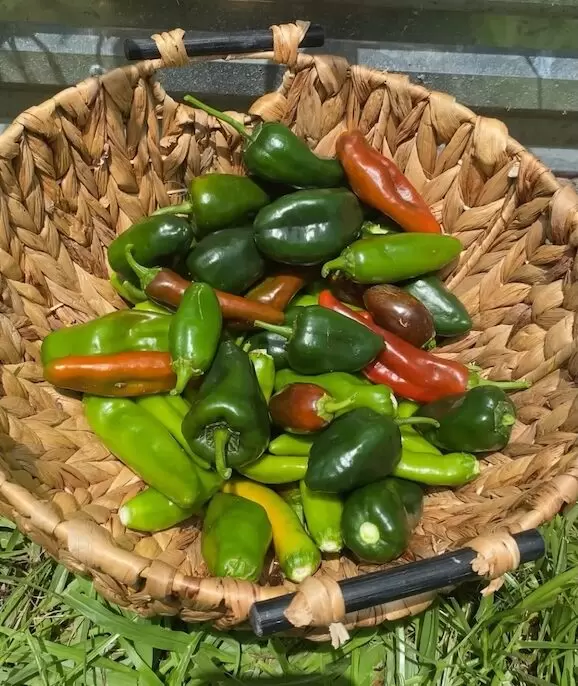
Peppers do better than tomatoes, but not by much. Smaller, bush type peppers are the only ones worth attempting, and they need the deeper original GreenStalk pockets. Peppers tolerate drying out better than tomatoes, which helps, but yields are still lower than garden beds.
If you’re growing for fresh eating and not preservation, they can work. For high production, I’d plant them elsewhere.
Final Thoughts
GreenStalks are incredible tools when used for the right crops. They’re not a replacement for garden beds, but they excel at growing herbs, greens, and certain compact vegetables. The key is matching the plant to the container, not forcing everything to work just because it technically can.
Some of my biggest gardening wins came from letting go of what I thought should work and paying attention to what actually did.