Last Updated on May 14, 2026 by Homegrown Florida
After more than 10 years of gardening in Florida, I have heard just about every piece of gardening tips out there. Some of it is genuinely helpful. Some of it sounds helpful until you actually test it. And some of it just creates more work without giving you anything meaningful back.
Being the skeptical person that I am, I do not like taking advice at face value. I want to see how it performs in a real backyard garden, in real heat, with real pest pressure, real storms, and all the other nonsense that comes with gardening in Florida. Over the years, I have tested a lot of these tips in my own garden, and today I want to share the ones I think are wasting your time.
That does not mean every single one of these ideas is completely made up. Some of them may help in very specific climates or on a large farm scale. But in a home garden like mine, they either do not make enough difference to matter, or they create more work than they are worth.
Table of Contents
This post may contain affiliate links. Read full disclosure here.
1. Burying Tomatoes Deeply
Let’s start with tomatoes because that is the crop with the most advice floating around online.

One of the most repeated tips is that you need to bury tomato plants deeply when you transplant them. The logic is that tomatoes can form roots along the buried stem, which gives you a bigger root system and therefore a bigger, better plant.
And technically, yes, that is true.
But in a backyard garden, especially in raised beds, containers, or good in-ground soil, the difference is usually so small that you are probably never going to notice it. You might get a tiny increase in root growth. You might get one or two more tomatoes. Maybe. But not in a way that feels dramatic or worth obsessing over.
I used to do the deep planting method. I do not anymore. I plant mine at ground level, and they do just fine. In my garden, I actually feel like it pushes them to get going faster because they are not spending quite as much energy trying to build extra root system before moving on with life.
For a large commercial grower, an extra tomato or two per plant across thousands of plants could absolutely matter. For me in a backyard bed, it just does not.
2. Pruning Tomatoes to One Stem
This is another tomato tip that I completely ignore.

If you live in a short season climate, I can understand where this advice comes from. If your season is short, you are trying to get fruit set, ripened, and harvested as quickly as possible before cold weather ends the party. In that case, pruning to one stem can help focus the plant’s energy.
But that is not my problem in Florida.
Here, the issue is not that I do not have enough time for tomatoes to grow. It is that I have a limited window where the flowers will reliably pollinate before the heat and humidity mess everything up. Once summer hits, a lot of those flowers just drop. They do not set fruit well in extreme heat.
So instead of pruning off all the suckers and reducing the number of flowering stems, I let the plant get bushy and make as many flowers as possible before the worst heat arrives. That way I get more fruit set during the good window, and those tomatoes can continue ripening afterward.
If I pruned mine down to a single stem, I would just be cutting off a lot of potential tomatoes.
3. Topping Pepper Plants
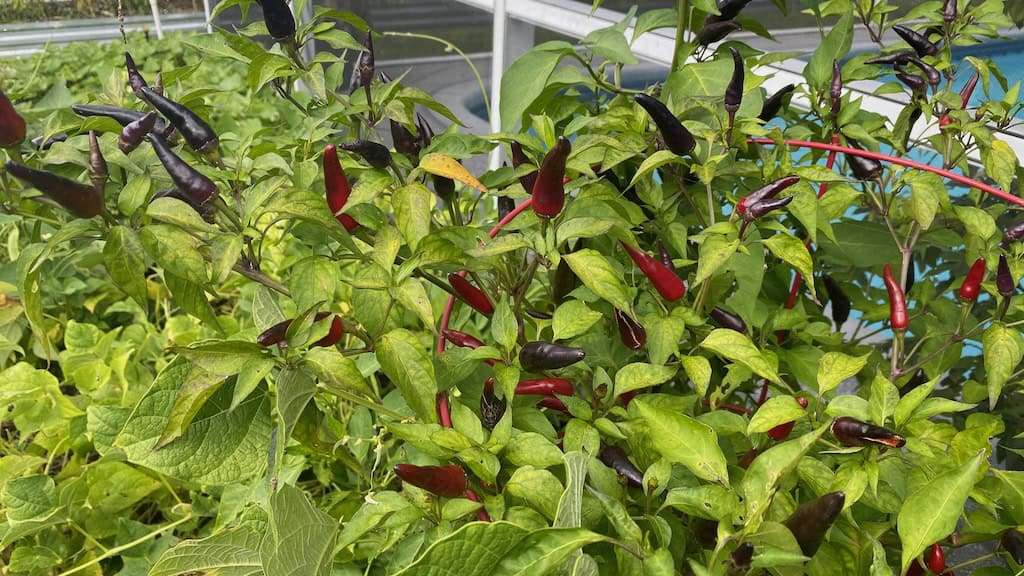
This is one of those tips that sounds impressive because it makes you feel like you are shaping the plant into something more productive.
The idea is simple. You snip the top growing tip off a young pepper plant so it branches earlier and becomes bushier. More branches should mean more flowers, and more flowers should mean more peppers.
In theory, sure.
In practice, I have grown peppers topped and untopped, and I have not seen enough of a difference to justify doing it. Yes, topped peppers do branch. But untopped peppers also branch. They often start out a little awkward and spindly, then naturally fill out once they get going.
That is exactly what peppers are supposed to do.
Topping also creates a little setback. The plant has to recover from that cut, and early on it does not have a huge amount of foliage to spare. So while it is not a huge risk, it is still a risk, and I just have not seen a payoff big enough to make it worthwhile.
4. Fertilizing Legumes
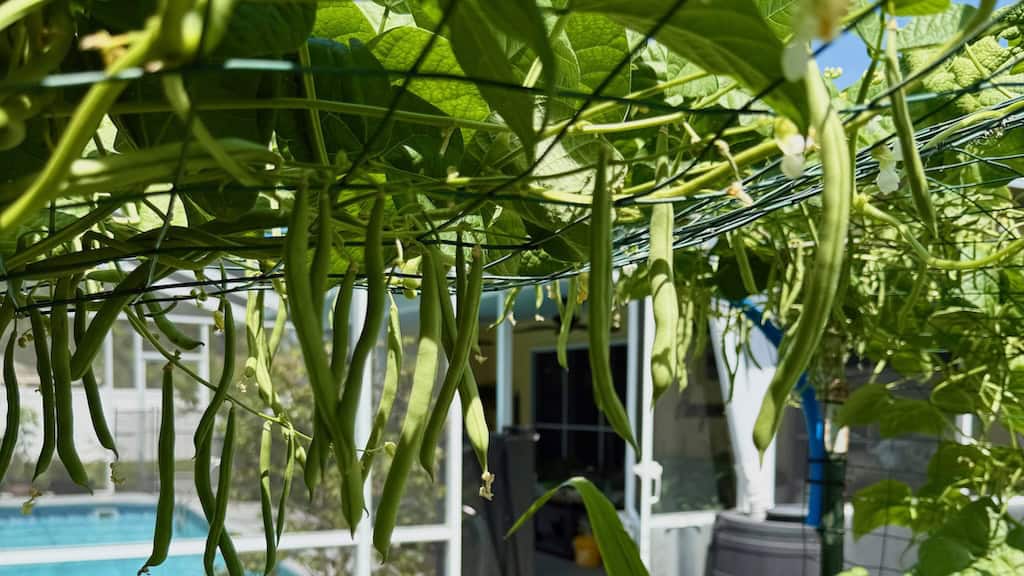
This one causes so much confusion.
Beans, peas, peanuts, cowpeas, sun hemp, and other legumes have this incredible ability to work with bacteria in the soil to fix nitrogen. That is one of the things that makes them so useful in the garden. But if that bacteria is not present, the plant cannot do its thing properly.
Then gardeners see yellow leaves and poor growth and assume the solution is fertilizer.
And yes, sometimes adding fertilizer makes the plant look better. But that is just acting like a bandage over the real problem, which is usually missing inoculant.
If you are growing legumes in fresh bagged soil, new raised beds, or any area that has never had those plants before, inoculant matters a lot more than people realize. I would much rather get the right bacteria into the soil from the beginning than keep throwing fertilizer at a plant that is struggling to do what it was built to do.
5. Growing Bush vs Vining Varieties

I know this one may annoy some people, but I have tested it enough to feel comfortable saying it.
Bush varieties are convenient. I get why people like them. They fit into smaller spaces, they look tidier, and they feel easier to manage. But if you are asking me which is more productive, bush or vining, I am going to say vining almost every time.
I tested this with green beans, and the difference was obvious. My pole beans produced far more, for much longer, than my bush beans. I have seen the same pattern with squash. Bush squash might give me a few fruits if all goes well. A vining squash like Seminole pumpkin can go absolutely wild and produce for ages if I let it climb.
If you only have room for bush varieties, grow them. I am not saying they are useless. I am saying if someone tells you they are just as productive as vining types, that has not been my experience at all.
6. Watering Every Day

This is one of my biggest soapbox topics because it causes so many problems.
A lot of gardeners in hot climates assume that if it is hot, they need to water every day. But watering every day can create a whole list of issues. It can leach nutrients out of the soil, encourage fungal disease, and lead to weak root systems that never have to work very hard.
And in Florida, where we already get heavy rain, nutrient leaching is already enough of a problem without us adding more.
The better solution is not daily watering. It is better moisture retention.
That means lots of mulch, lots of organic matter, and actually checking whether the soil needs water before you add it. A dramatic plant in the middle of a hot afternoon does not necessarily mean dry soil. It may just mean the plant is hot and being dramatic, which honestly feels relatable.
If the soil a few inches down is still moist, I leave it alone.
7. Single Crop Fertilizers
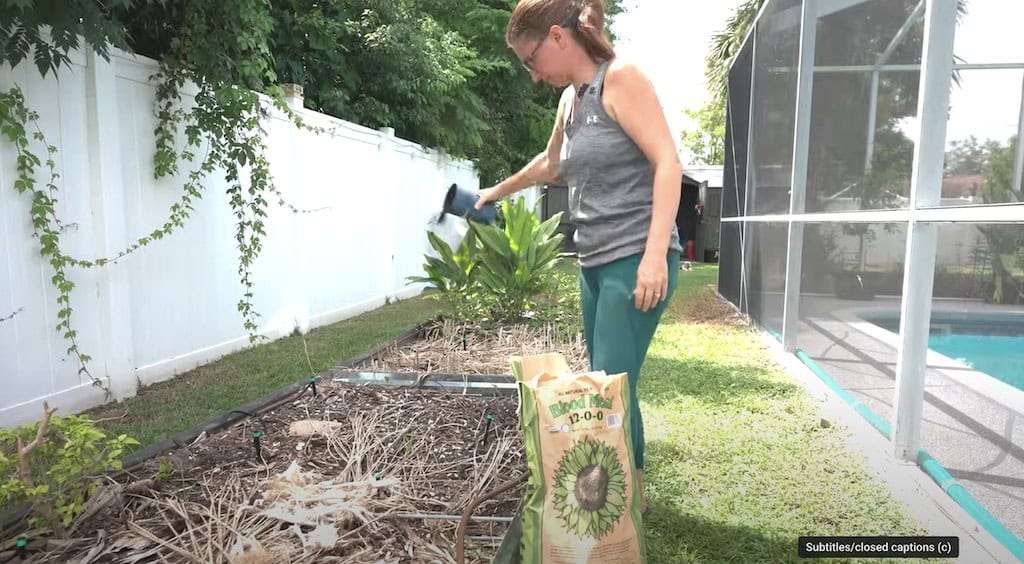
Fertilizer companies would probably prefer I keep quiet on this one, but no, you do not need a different fertilizer for every plant.
You do not need one for tomatoes, one for peppers, one for cucumbers, one for strawberries, one for citrus, one for avocados, one for blueberries, one for this and one for that.
For most home gardens, that is overkill.
I basically think in categories. Fruiting plants. Leafy plants. Fruit trees. That is it. If you understand what those categories generally need, you can simplify your fertilizer shelf dramatically.
For fruit trees, I use one general fruit and citrus type fertilizer. For fruiting vegetables, I use a tomato style fertilizer because it tends to include what they need, including calcium and magnesium. For leafy greens and crops that love nitrogen, I use something high in nitrogen.
That gets me through almost everything.
8. Heat Tolerant Meaning
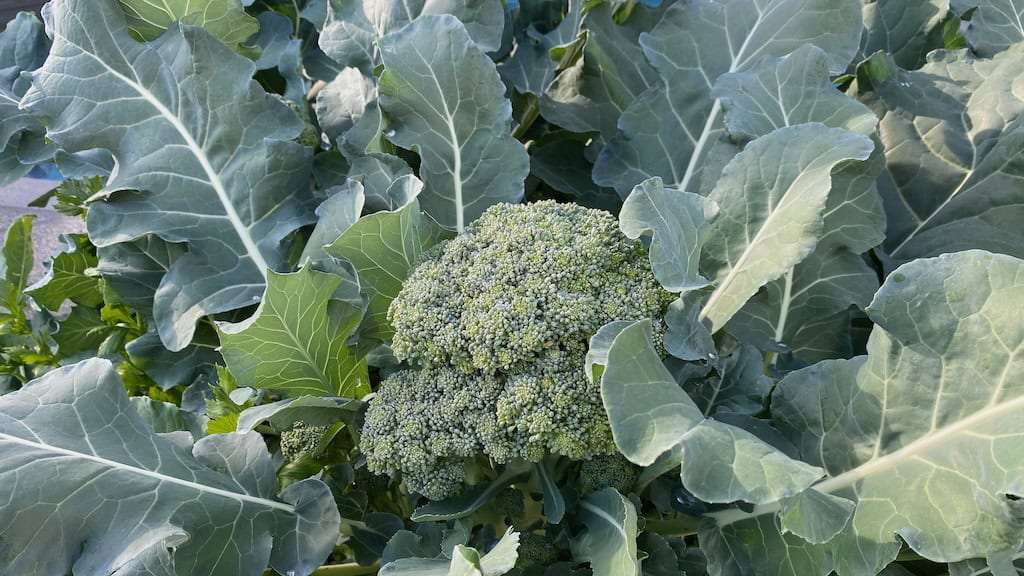
This one is especially important in Florida.
A lot of people hear “heat tolerant” and assume that means the plant can be grown straight through a Florida summer with no issue. That is not what it means.
Heat tolerant usually means the plant can handle more warmth than the average version of that crop during the season it is meant to grow in. It does not mean your cool weather crop is suddenly going to love ninety five degree days and sticky humidity.
A heat tolerant broccoli is still broccoli. It still wants cool season conditions. A heat tolerant lettuce is still lettuce. It is not going to be thrilled in peak summer. It may survive longer than a more delicate variety, but that does not mean it will taste good or produce well.
This is one of those times where the label is technically true, but people stretch it further than they should.
9. Planting Hole Additions

Fish heads, eggs, eggshells, banana peels, all kinds of things get recommended for planting holes.
I am not against composting in place. I actually like the idea of organic matter breaking down in the soil. But the key word there is breaking down.
Those materials are not instantly available to the plant just because you buried them under a transplant. They still have to rot and decompose before the nutrients become available, and that takes time. Usually a lot more time than people think.
So if you want to compost in place, go right ahead. Just do not expect those ingredients to be the magic boost that makes your tomato explode with productivity this season. They may help the bed later on, but they are not really feeding that plant right away.
10. Treating Gardening Advice like Fact
This may be the biggest time waster of all.
We live in a time where everyone has advice. Everyone is an expert. Everyone has a tip, a trick, a secret, a hack, and an urgent headline telling you that if you do not do this one thing your plant will never survive.
Some of it is based on science. Some of it is based on personal experience. Some of it is based on a single good season someone had once. And some of it is just designed to get your attention.
That does not mean people are always lying. It just means that advice is not automatically universal.
What matters most is how something performs in your garden.
Your climate, your soil, your sun exposure, your pest pressure, your watering habits, your space, all of that matters. I love research. I love learning from other gardeners. I even love reading university studies. But at the end of the day, I still want to test things for myself because what works beautifully in one place may be a waste of time in another.
That is probably the biggest lesson gardening has taught me.
What Gardening Tips are Actually Worth Your Time?
I know this whole post has been about what is not worth your time, but I think the better question is what is.
For me, the things that consistently pay off are good timing, choosing the right varieties for my climate, building healthier soil, mulching heavily, simplifying fertilizer, and testing things in my own garden instead of blindly following every trend.
That is where I see real results.
Everything else, I take with a healthy amount of skepticism.
Because honestly, some of the best gardening progress I have made came from giving myself permission to stop doing things that sounded impressive and start doing things that actually worked.
If you are someone who loves testing gardening advice too, I would love to know, what is one gardening myth or tip you have personally debunked in your own garden?