Last Updated on January 16, 2026 by Homegrown Florida
Growing lettuce in Florida is one of those crops that people either love growing or swear off completely. I hear it all the time. It bolts too fast. It tastes bitter. It barely grows before the heat ruins it. And honestly, I get why people feel that way, especially here in Florida.
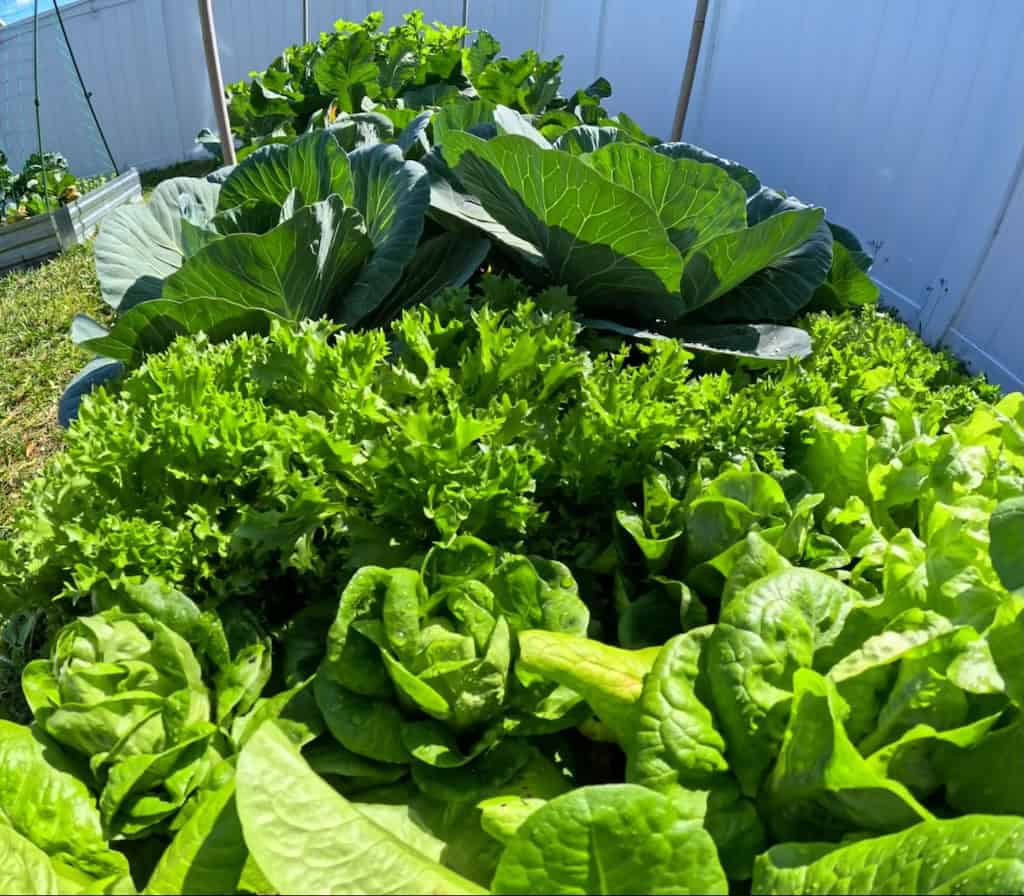
But lettuce is actually one of the most reliable and rewarding vegetables you can grow in this climate when you grow it on Florida’s terms instead of trying to force it to behave like it would up north.
Table of Contents
This post may contain affiliate links. Read full disclosure here.
This is how I grow lettuce in Florida from seed to harvest, what varieties actually hold up, and what makes the difference between a short frustrating season and weeks of steady harvests.
When Lettuce Actually Wants to Grow in Florida

Lettuce is a cool season crop here, not a shoulder season experiment. In Florida, the realistic planting window runs from September through March. That window gives lettuce in Florida enough cool weather to establish roots, grow steadily, and produce leaves before heat and longer days trigger bolting.
You can start lettuce in Florida from seed or transplants during this entire stretch. I tend to do both depending on what’s going on in the garden. Seeds give you flexibility and variety. Transplants give you a head start when pests are active or conditions are less predictable.
Trying to grow lettuce outside of this window usually leads to frustration, not because you’re doing something wrong, but because the plant simply isn’t built for our heat and light levels once spring really ramps up.
Varieties Matter More Than Technique

Not all lettuce behaves the same in Florida. Some varieties are far more forgiving than others, especially when it comes to heat tolerance and bolting.
If bolting has been your issue, Salanova types have been a game changer for me. They come in reds, greens, and butter styles, and they stay compact, productive, and slow to bolt. I’ve actually tried to save seed from them and struggled because they refuse to bolt for me, which tells you a lot about how stable they are in warmer conditions.
For a more affordable option, I’ve had great results with Sierra lettuce. It forms a loose, soft head rather than a tight one, which is exactly what works best here. Tight heading lettuces like iceberg are much harder to pull off consistently in Florida, especially once temperatures start creeping up.
Loose leaf and open head varieties give you more flexibility, faster harvests, and fewer heartbreak moments.
Starting Lettuce in Florida From Seed Without Overthinking It
Lettuce seeds are small, and they don’t need much to get going. I start them either in trays or directly in the garden, depending on how much control I want early on.
If I’m starting in trays, I make sure the soil is already moist before planting. Dry soil causes more seed starting problems than people realize. I press the seeds lightly into the surface and barely cover them, if at all. Lettuce seeds don’t want to be buried.
When direct seeding, I still create a shallow indentation in the soil. That little dip helps keep seeds from washing away during rain or irrigation, which is especially important here. Once they’re down, I lightly cover or press them in and water gently.
Starting in trays gives me more control over light, moisture, and early feeding. Direct seeding is easier and faster, but growth tends to be slower at first. Neither method is wrong. They just serve different purposes.
Transplanting With Pest Pressure in Mind
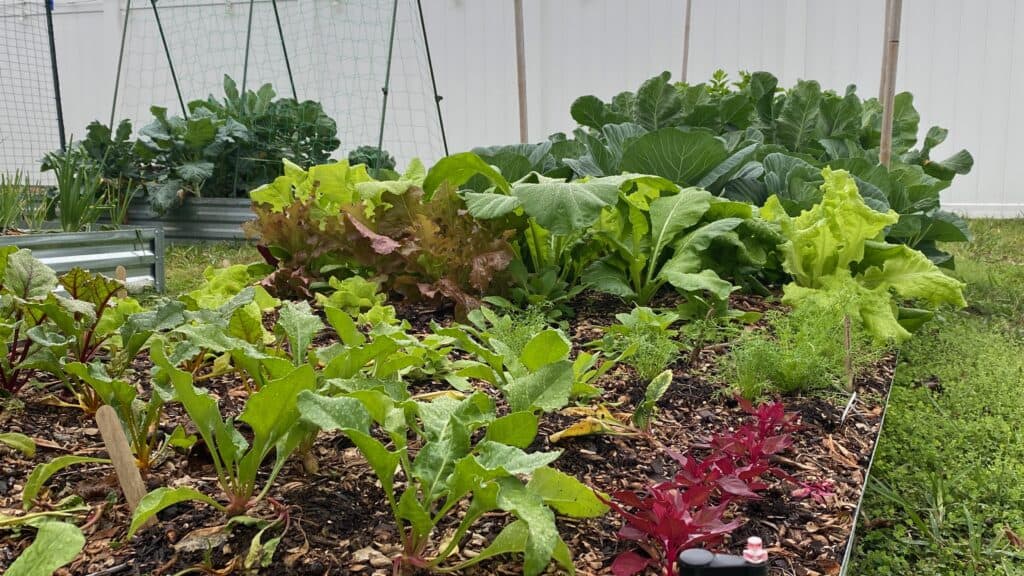
Lettuce seedlings can technically be transplanted very young, but I’ve learned the hard way that tiny seedlings are pest magnets. Slugs, caterpillars, and other garden visitors can wipe them out in a day.
I wait until seedlings have a bit of size and substance before transplanting. Bigger plants can lose a few leaves and keep going. Tiny ones often don’t get the chance.
When transplanting into mulched beds, I simply pull the mulch aside, dig with my hand, set the plant, firm the soil, and tuck the mulch back around it. I don’t baby the roots or worry about disturbing nearby plants. Lettuce in Florida is tougher than it gets credit for.
Watering is important during the first few days, but once I see new growth, I back off and let the plant settle in.
Feeding and Watering Without Creating Problems
Lettuce in Florida doesn’t need complicated feeding. It wants nitrogen, consistent moisture, and breathable soil. That’s it.
I use fish fertilizer or blood meal regularly, depending on what I have on hand. Overfeeding isn’t helpful, but steady nitrogen keeps leaves tender and productive.
Watering is where people often get into trouble. Overwatering, especially during warmer stretches, can stress plants and contribute to bitterness and bolting. I water deeply and allow the soil to dry slightly between watering. Mulch does most of the heavy lifting here, keeping moisture consistent without turning the soil into soup.
Lettuce wilting in the afternoon heat doesn’t always mean it needs water. If it perks back up in the evening, it’s just responding to temperature, not drought.
Harvesting Lettuce Three Different Ways

One of the reasons lettuce earns its place in my garden every year is how flexible it is at harvest time.
If a plant starts to bolt, I harvest the entire thing early while the leaves are still tender. Once bolting really kicks in, bitterness isn’t far behind.
For steady production, the cut and come again method is hard to beat. I harvest outer leaves and leave the center intact, sometimes leaving only a few small leaves behind. Lettuce regrows quickly, often within a week or two.
My favorite method, especially for compact varieties like Salanova, is cutting the entire head about an inch or two above the base. That small core will push out new growth and give multiple harvests with almost no effort.
All three methods have a place. The key is paying attention to what the plant is telling you and harvesting before quality declines.
Why Lettuce Deserves a Spot Every Season
Lettuce grows fast, doesn’t demand much space, and gives you quick wins when the garden might otherwise feel slow. With staggered plantings and a few reliable varieties, it’s possible to harvest fresh lettuce weekly for months.
The trick isn’t doing more. It’s choosing the right varieties, planting in the right window, and letting the plant do what it already wants to do.
Lettuce doesn’t fail in Florida because it can’t grow here. It fails when we expect it to behave like it does somewhere else.