
Last Updated on June 5, 2025 by Homegrown Florida
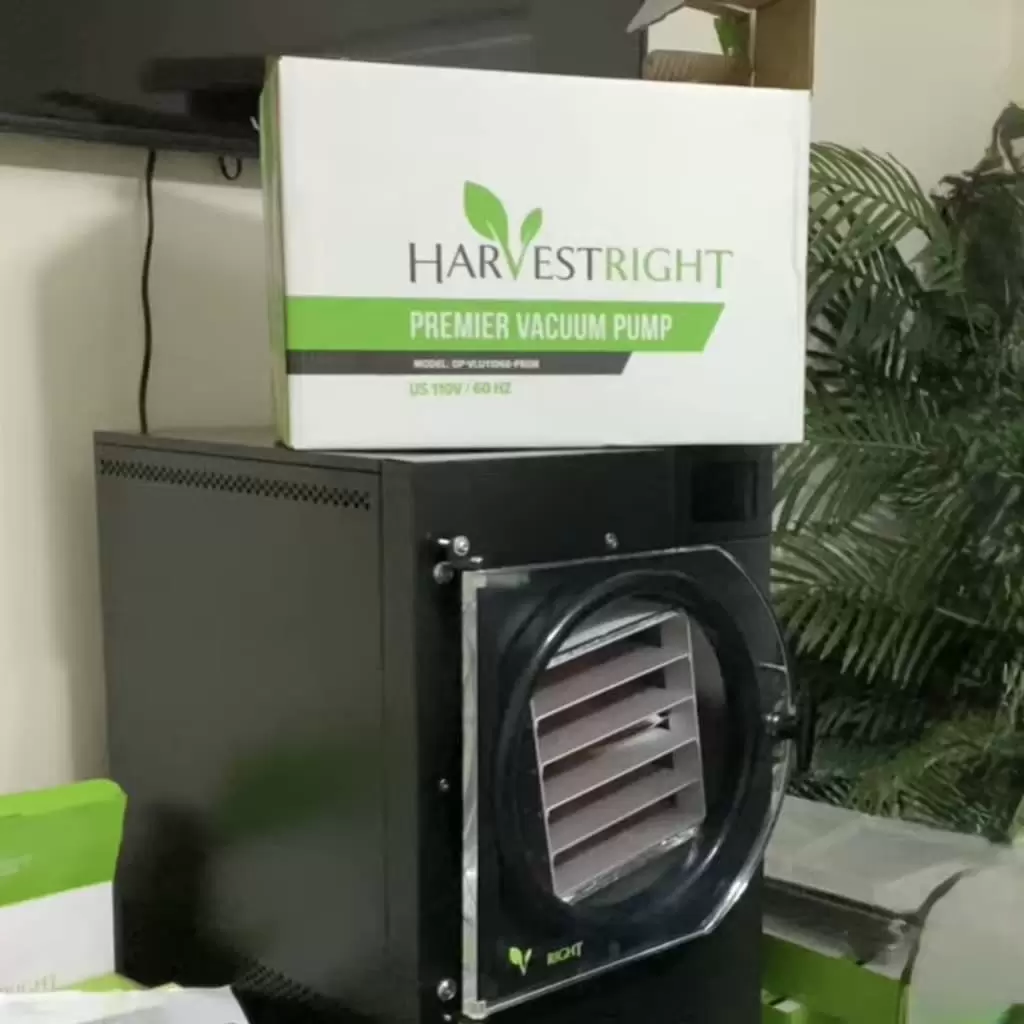
It’s officially been one year since I brought home my Harvest Right machine and now it’s time for a freeze dryer update. I still remember filming that first setup video and running my first batch with equal parts excitement and confusion. Now, 12 months later, I’ve preserved everything from mulberries to mashed potatoes, and I’ve learned more than I ever expected along the way. If you’ve been on the fence about getting one, or just want to know what it’s really like to own and use a freeze dryer, I’ve got you covered with these freeze dryer update.
Today I’m sharing the real answers to the most common questions I get—what I use the most, what I wish I knew before buying, how I store it all, and if it was really worth the money. Spoiler: It’s not just about saving money. Let’s dive in.
Table of Contents
This post may contain affiliate links. Read full disclosure here.
What I Use the Most (It’s Not What I Expected)
I honestly thought I’d be freeze-drying fruit the most—snacking on strawberries, popping mulberries like candy, that kind of thing. And while I did freeze dry a lot of fruit, I quickly realized I’m not really a fruit-snack person. My nieces and nephews love it, but me? Not so much.

What I actually use the most are smoothie powders. I blend up freeze-dried strawberries, bananas, pineapples—whatever I have—and turn them into powders. I used to store all that in the freezer, but space was always tight. Powders fixed that. Even yogurt freeze-dries beautifully and blends right into a smoothie. You can’t tell the difference from fresh or frozen. Nobody in my family can.
I also freeze-dry eggs pretty regularly. We don’t raise chickens (yet), but I stock up when prices dip and run batches of 60 eggs at a time. Raw and scrambled—no precooking—just straight onto trays. When prices spike, I pull from our stash. They rehydrate perfectly and work in any dish that needs scrambled or mixed eggs.
One surprise favorite? Mashed potatoes. They freeze dry beautifully, and I add everything in—sour cream, cheese, butter, garlic, the works. We go through them so fast now that I don’t even bother sealing them in Mylar bags anymore; they go straight into jars on my shelf.
Other favorites include:
- Guacamole (freeze-dried from our own avocados—yes, it stays green!)
- Casseroles, soups, and chili (anything thick and hearty does well)
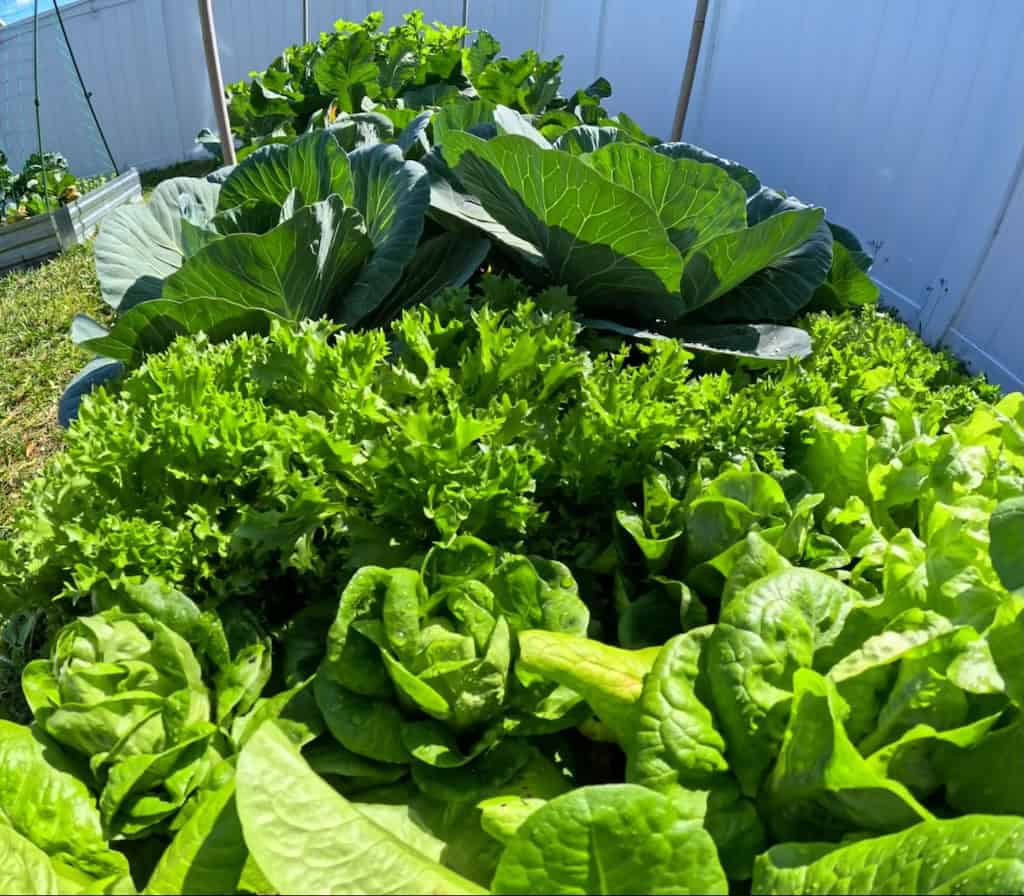
- Zucchini, squash, and other garden extras
- Greens powders for soups and sneaky veggie boosts
- Herbs like basil and moringa—shockingly flavorful when freeze-dried
What I Wish I Knew Before Buying Freeze Dryer Update
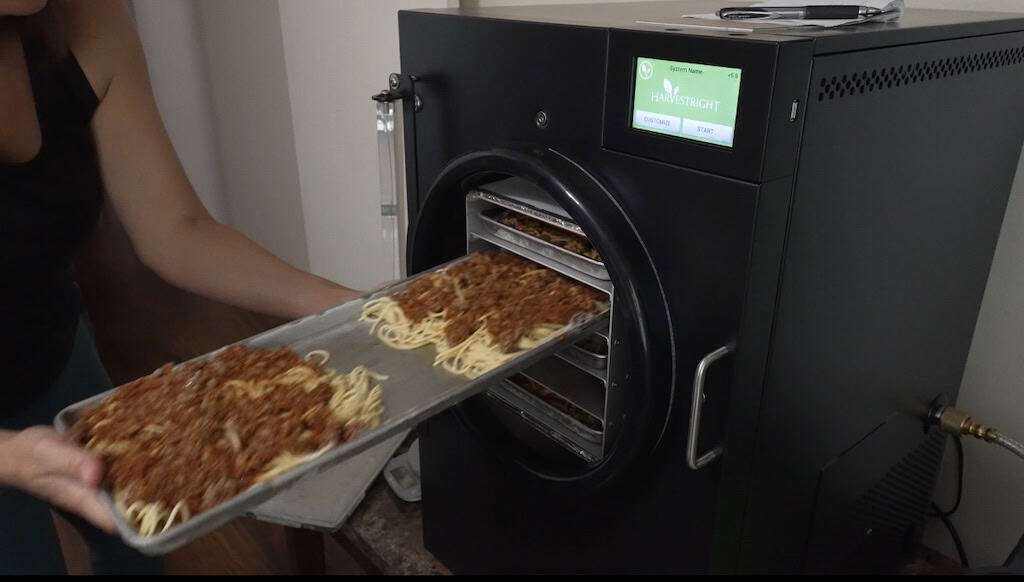
Here’s a big one: When the machine says it’s done, it’s not.
The freeze dryer has a built-in timer, and it will tell you when it thinks the food is done. But it’s not always right—especially with denser foods. If you pull it out too soon, you risk moisture being left inside, which can ruin your entire batch.
Now, I weigh my trays during the final drying phase. I pause the machine, weigh each tray, then run another few hours and check again. If the weight is still dropping, that means there’s still water in the food. Only when the weight stays the same do I know it’s done.
I’ve also learned not to freeze-dry pure sugar or fat. So no butter, honey, or syrup. But mixed into meals? Totally fine. You just want to avoid big chunks of fat that could go rancid over time.
Day-to-Day Use: Setup, Storage, and Maintenance

Where I keep it: Our freeze dryer lives in a spare bedroom. Florida garages are way too hot, and we don’t have basements. This room stays around 72°, which is perfect. I leave the door open during runs, and it’s never overheated. That said, it is loud—louder than a dishwasher, not as bad as a generator. When guests stay over, I pause using it.
Electrical setup: Ours is the medium model (five trays), and it uses a regular plug. No special outlet required, but I do make sure it’s on a line without a ton of other appliances. You don’t want it on the same circuit as your kitchen or laundry room. Bigger models need a 220 line, so that’s something to think about.
Maintenance: Pretty minimal. I wipe it down between uses, and every few months I clean with rubbing alcohol. Changing the oil is super simple—it takes me about five minutes and only needs to be done every 20 runs with the Premier pump. I’ve also filtered and reused the oil with no issues.
Storage: I rotate between Mylar bags and glass jars. Mylar is better for long-term storage, but jars are easier to reuse for foods we eat regularly, like mashed potatoes or smoothie powders. We keep everything in bins on top of the pantry, but honestly, I’m running out of room. Storage is one of the downsides—you’ll need to plan for that if you preserve a lot.
Real Talk on Return on Investment (ROI)

I get asked all the time if it’s worth it—if a freeze dryer will save you money.
The short answer? It depends on how you use it.
In this freeze dryer update, If you’re comparing it to buying freeze-dried food, like pre-made meals or fruit snacks, then yes—big time. Store-bought freeze-dried food averages about $25 a pound, while my homemade freeze-dried food costs me $7.19 a pound after accounting for the machine, electricity, packaging, and ingredients. At that rate, you could break even in about 4 months if you regularly buy freeze-dried food.
If you’re comparing it to fresh food, the break-even point takes longer. Based on $2/pound average cost for fresh food, and processing around 520 pounds per year, the ROI doesn’t really kick in until year 11. That’s a long wait. But for me, that equation shifts because I grow a lot of my own food, which brings the overall cost per pound down significantly.
So here’s the truth: If you’re only freeze-drying to save money, and you don’t grow or raise much yourself, it might not pencil out. But if you garden, camp, want shelf-stable meals, care about nutrient retention, or just hate the taste of canned food? Then it’s absolutely worth it.
What I Love Most (And Why I’d Buy It Again)
This machine has changed the way I preserve food. Compared to canning or dehydrating, freeze drying is:

- Easier (just put it on trays and press start)
- Tastier (the texture and flavor of food is incredible)
- More nutritious (retains up to 90% of nutrients)
- More flexible (no special recipes, just use your normal ones)
From batch-cooking chili to preserving greens, from making fire cider with my own freeze-dried turmeric to prepping lightweight RV meals, I use this freeze dryer in more ways than I ever imagined. And even though the upfront cost was steep, I’d buy it again in a heartbeat. It’s been that useful which is my main take away from my freeze dryer update.
I still can some things (hello, jam season), and I still ferment for gut health, but freeze drying has become my favorite method for preserving harvests, managing overflow, and eating better all year long.
If you want to learn more about unboxing and setting up your Harvest Right Freeze Dryer for the first time, check out this post next.
Thanks for hanging out with me and reading through this one-year Harvest Right freeze dryer update. If you’re thinking about getting a freeze dryer, I hope this helped you understand what it’s really like to own and use one long-term. Happy preserving!
Lauren
That is a great summary of your FD experience! We just got one and are using it to prep food for a big (30 day) vacation. With our food allergies, it’s so much easier to eat our own food, but with traveling it can be challenging. The FD is providing a way to have homemade food for our adventure! I know that you travel in the summer, have you used your FD to prep food for your big trip?
Homegrown Florida
Yes, we often use the whole meals i make to eat while camping. They are lightweight and you just have to add water so it is so easy. Also, less clean up which is always nice.