Last Updated on March 14, 2026 by Homegrown Florida
Disclosure: I was invited on this hosted farm tour by the Florida Fruit and Vegetable Association and the Fresh From Florida program. The trip was sponsored, but all opinions and takeaways shared here are my own.
Table of Contents
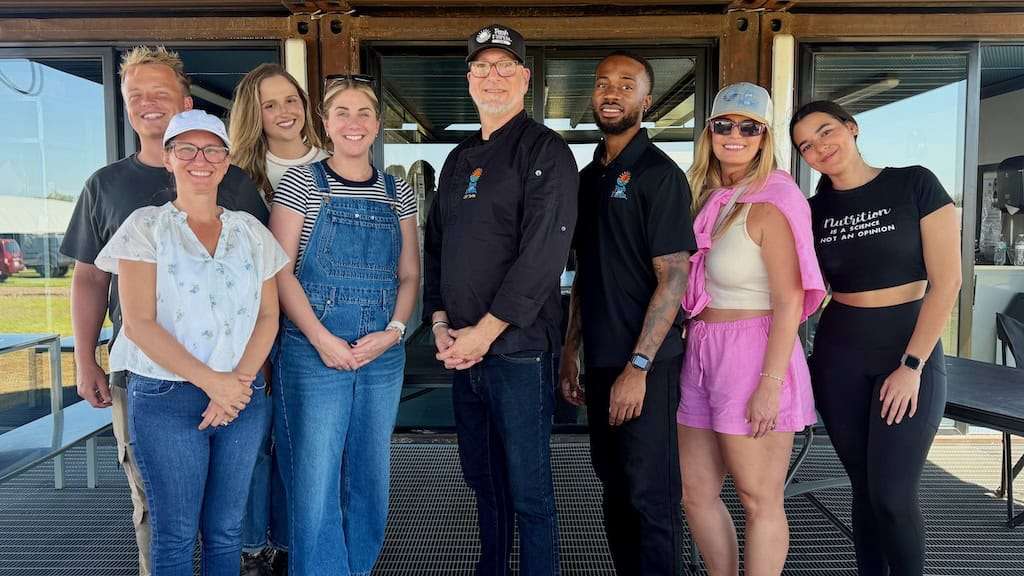
Florida produces some of the freshest fruits and vegetables in the country, yet many shoppers don’t realize how much of their food is grown right here in our state. I recently had the opportunity to tour several Florida farms with the Florida Fruit and Vegetable Association and the Fresh From Florida program to see firsthand how these farms operate. Here are a few things that stood out to me and why choosing local produce matters more than most people realize.
If you’ve followed me for any amount of time, you know I’m always going to encourage people to grow at least some of their own food if they can. Even a few containers on a patio can make a difference. But the reality is that most of us can’t grow everything, and that’s where supporting local farms becomes incredibly important.
When you cannot grow it yourself, the next best choice is to buy as close to home as possible. In Florida, that means looking for the Fresh From Florida label first. If it is not available from Florida, then I would look next to nearby states like Georgia or Alabama. The goal is simple. Buy from the farms closest to you whenever you can.
That means fresher food, fewer miles traveled, more dollars staying in our communities, and more support for the small family farms that keep this whole system going. It also supports the innovation and testing coming out of UF/IFAS, which helps farmers and backyard gardeners alike grow better here in Florida.
And that matters because Florida agriculture is not some small side story. Florida is the number one producer of snap beans, cucumbers, watermelon, and sweet corn. Florida is number two for bell peppers, cabbage, cantaloupes, squash, and tomatoes. On top of that, 92% of farms are family farms, and 70% are under 50 acres. So when we talk about buying local, we are very often talking about supporting real families, not just an industry.
Our First Stop, L&M Farms
We started the tour at L&M Farms with Adam, and this stop was the perfect reminder that farming is both highly skilled and deeply physical work. They grow peppers, squash, potatoes, and strawberries, and one of the most interesting things about their operation is that they have several locations stretching from South Florida into Georgia. That allows them to follow the weather with their planting schedule, which is such a smart move when your whole year depends on timing.
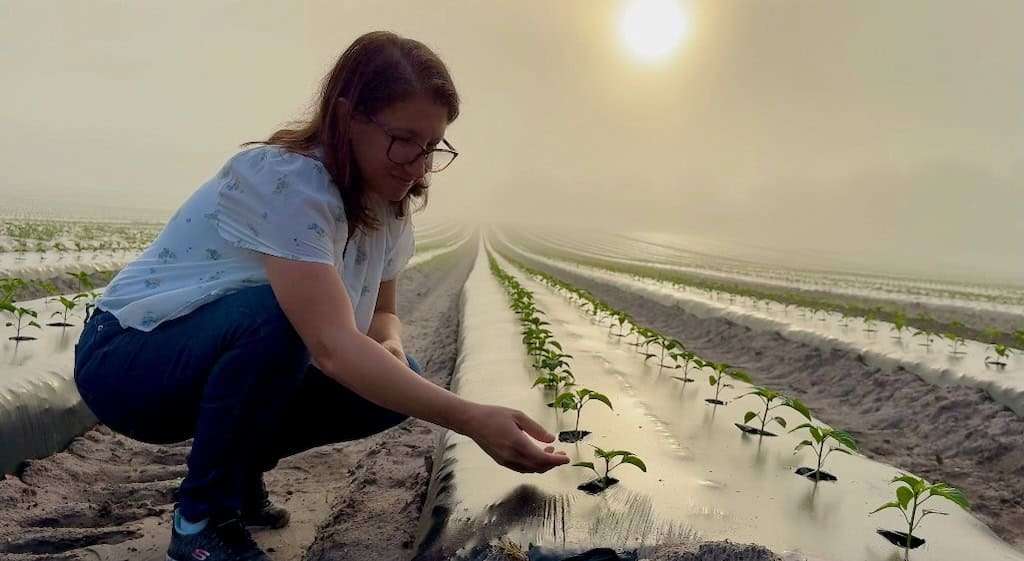
What really stood out to me was how much of the work is still done by hand. They transplant and harvest most of their crops by hand. They even hand pick weeds rather than rely heavily on herbicides that could drift and damage their crops. That was eye opening. I think a lot of people imagine giant farms doing everything with machines and spraying herbicides, and here I was watching people transplant squash in a way that honestly felt familiar. Squash is not usually recommended for transplanting, but for their timing and structure, it made sense. I loved seeing that. It reminded me that growers are constantly balancing ideal practice with real world practicality.
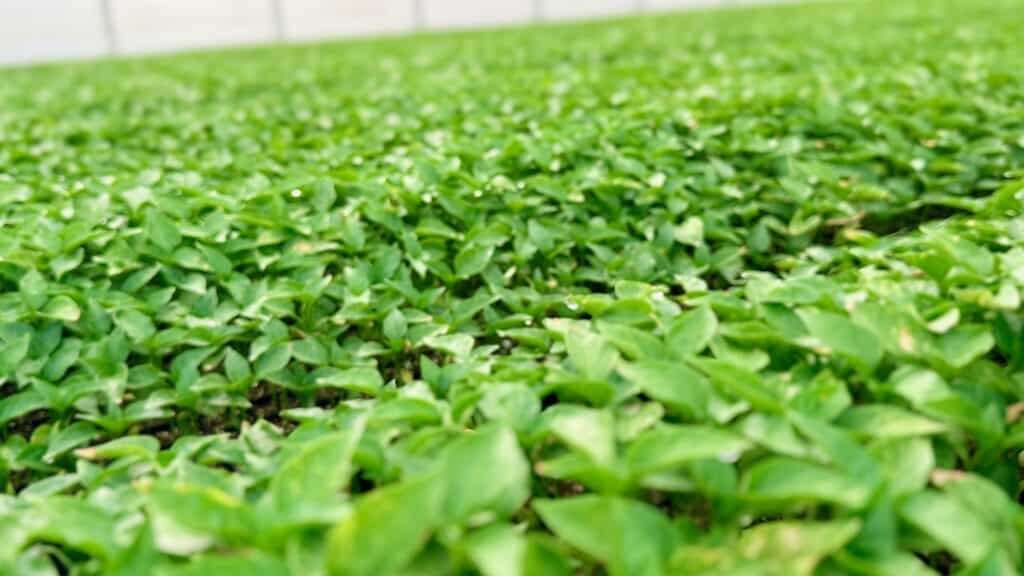
We also got to see their greenhouses where seedlings are started, and that part always makes me happy. Baby plants lined up and ready to go just never gets old.
Adam also talked about one of their biggest challenges, which is something I heard in some form at nearly every stop. Input costs are climbing faster than crop payments. Fertilizer, seed, fuel, and labor all continue to rise, but what growers are paid does not rise at the same pace. That leaves margins painfully tight.
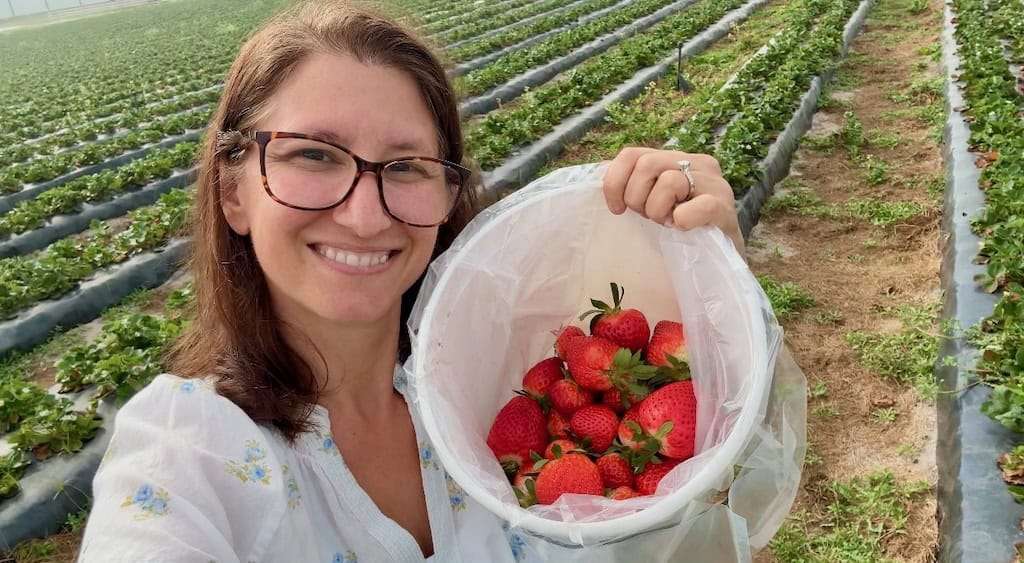
And then, as if the day had not already won me over, they handed me a bucket and let me loose in their strawberry u-pick area. I tried not to be greedy. I really did. But those berries were gorgeous, and now I cannot stop thinking about turning them into strawberry banana jam.
L&M Farms contact information
Facebook: fb.com/LMCompanies
Instagram: @LMCompanies
Website: LMCompanies.com
Strawberry U-Pick Farm Stand Instagram: @BranfordFarmStand
Grimmway Farms, and the Carrot Harvester I Will Never Forget
Our next stop was Grimmway Farms with Jason, and this place was miles and miles of carrots. Like L&M, they also use multiple locations across the state to chase the seasons and make the most of Florida’s planting windows.
One thing I found fascinating was that between carrot plantings, they share their fields with other growers for crops like peanuts. That kind of collaboration says a lot about how connected farming really is.
Grimmway produces 50% of all carrots sold on the US market with 12% being grown here in Florida, which is wild to think about when you are standing there looking across those fields. They grow 25% organic and 75% conventional, and their operation is heavily mechanized. Their seeding and harvesting is done with machines, which helps reduce labor needs and costs. Jason even let me ride on the carrot harvester, and let me tell you, that machine is no joke. It pulls the carrots, strips the tops, and dumps them into a semi trailer driving alongside it. From there the carrots are cleaned and packaged on site so temperatures can come down quickly and the product stays fresh.
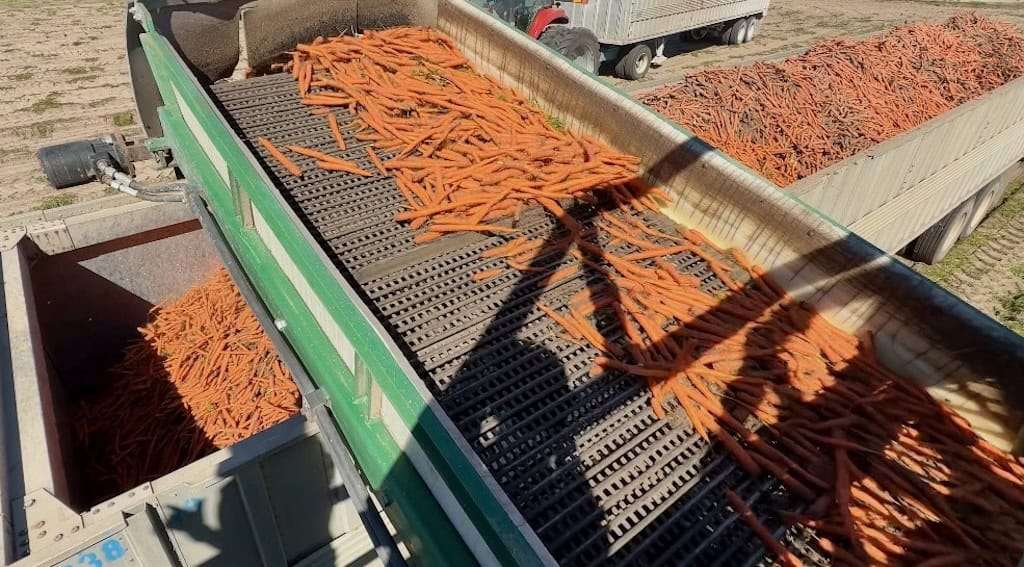
Jason also told us the story behind baby carrots, which was one of those moments where you realize how much food innovation comes from solving a practical problem. When carrots were damaged during machine harvest, they started peeling them down and selling them as a secondary product. Eventually baby carrots became more popular than traditional full size carrots. That demand led them to shift to varieties that grow long and thin, use less water, and can be planted more closely together so the roots grow deep and skinny.
They are also testing weed laser machines, which honestly sounded like science fiction. The machine uses AI and camera technology to identify anything in the field that is not a carrot, then zaps the weed. That has the potential to reduce both manual labor and herbicide use, which is a huge deal.
Jason also mentioned that carrots in Florida do not face a lot of pest pressure during the time of year they are grown, so pesticide treatments are minimal. That was another good reminder that seasonality changes everything.
Grimmway Farms contact information
Facebook: fb.com/GrimmwayFarms
Instagram: @GrimmwayFarms
Website: Grimmway.com
Lunch With The Fresh From Florida Team
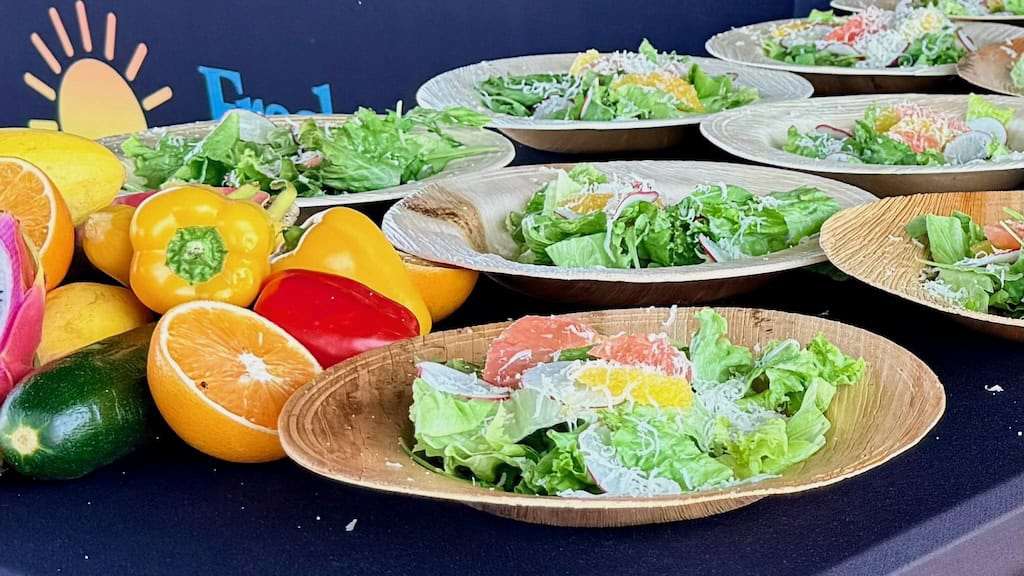
By this point we needed a break in the worst way, and thank goodness because our next stop gave us exactly that. Chef Justin with Fresh From Florida made us a three course lunch that perfectly showed what fresh local ingredients can do.
We started with a fresh juice mocktail that was simple and delicious. Then came a citrus and arugula salad with a light vinaigrette. The main course included carrot hummus with fresh local crudite like carrots, celery, and radishes, plus a chicken thigh soft taco with fresh peppers and cabbage topped with a bright citrus herb sauce. Dessert was a key lime cream with graham cracker crumble, fresh whipped cream, and fresh berries and mango.
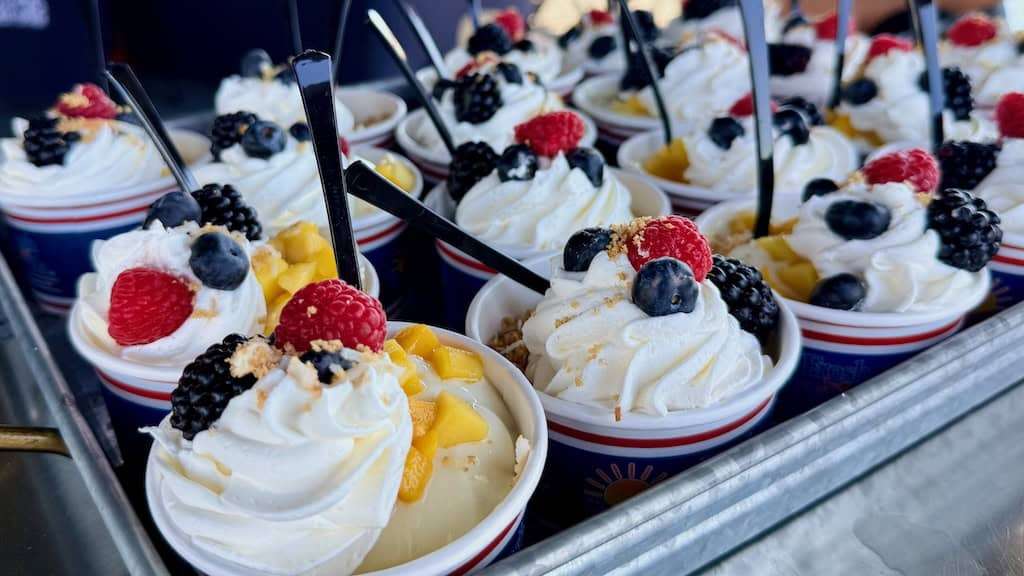
This is exactly how I love to eat. Fresh, crisp, bright, flavorful food that does not leave you sleepy and dragging afterward. The ingredients were simple, but together they had so much complexity. It was one of those meals that reminds you fresh food does not need a lot of fuss to be incredible.
Fresh From Florida also has a website with recipes, seasonal charts, and overviews of local farmers. They also help make local shopping easier by putting tags and signage in grocery stores so you can spot Florida produce more easily. If you are someone who wants to support local but sometimes just does not know what to look for, that matters.
Fresh From Florida contact information
Facebook: fb.com/FloridaAgriculture
Instagram: @FreshFromFlorida
Website: FollowFreshFromFlorida.com
Cultiva Farms, and a New Way to Grow Greens in Florida
After lunch, Fredrico with Cultiva walked us around one of the most unique operations I have seen. On the surface, leafy greens may not sound all that unusual. But the way Cultiva grows them absolutely is.
Florida is not known for leafy greens year round because most greens struggle through at least half the year. I used to assume farms would simply grow for their season and then another farm in another state would pick up the supply when weather changed. But grocery stores and distributors do not want to juggle dozens of farms. They want fewer suppliers that can cover most or all of the year.
That is incredibly hard with leafy greens.
Cultiva is trailblazing a way to make that happen by growing greens under huge hoop houses that protect them from too much Florida sun and rain and also shield them from frost in winter. That setup gives them at least six months of leafy green production, which is already impressive. But the part that really got me was how they push farther into the hot season. They paint the hoop houses once a year, and that paint acts like a built in shade cloth. Then by winter the paint naturally wears away so more light comes through again.
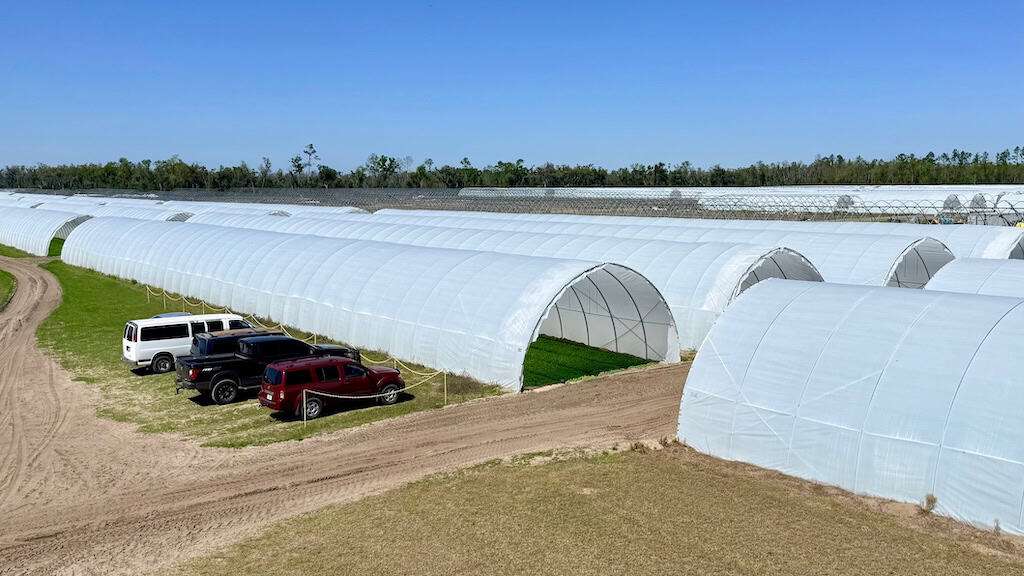
It is such a smart system.
Fredrico also shared that two years ago a hurricane destroyed many of their hoop houses. That would have flattened a lot of people emotionally and financially, but instead he used it as a troubleshooting moment. They developed a way to remove the hoop house covers before storms to save the structure underneath, which is a huge job when you have that many houses.
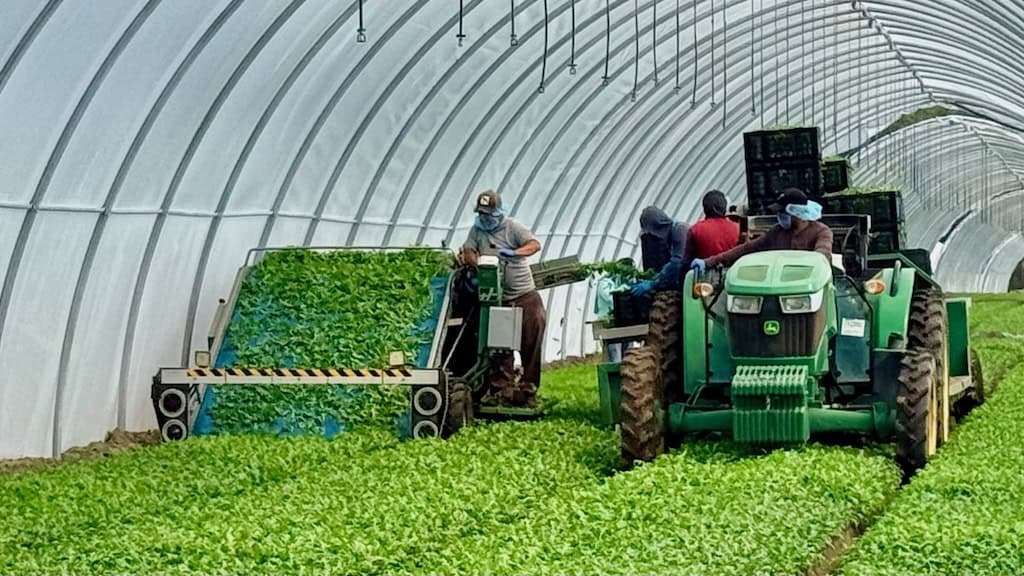
They also mechanically harvest the greens by cutting the tops off, which allows the plants to regrow up to five times before replanting. Every year they are solving problems and building a more efficient system, and that mindset really stayed with me.
Cultiva Farms contact information
Website: Cultiva.Global
Florida Blue Farms, and the Side of Farming Most People Never See
The next morning we started fresh at Florida Blue Farms with Brittany, where they grow blueberries across 90 acres. They are especially well known for their environmental and sustainability practices, and they even received the Agricultural Environmental Leadership Award in 2017 by the Florida Farm Bureau Federation.
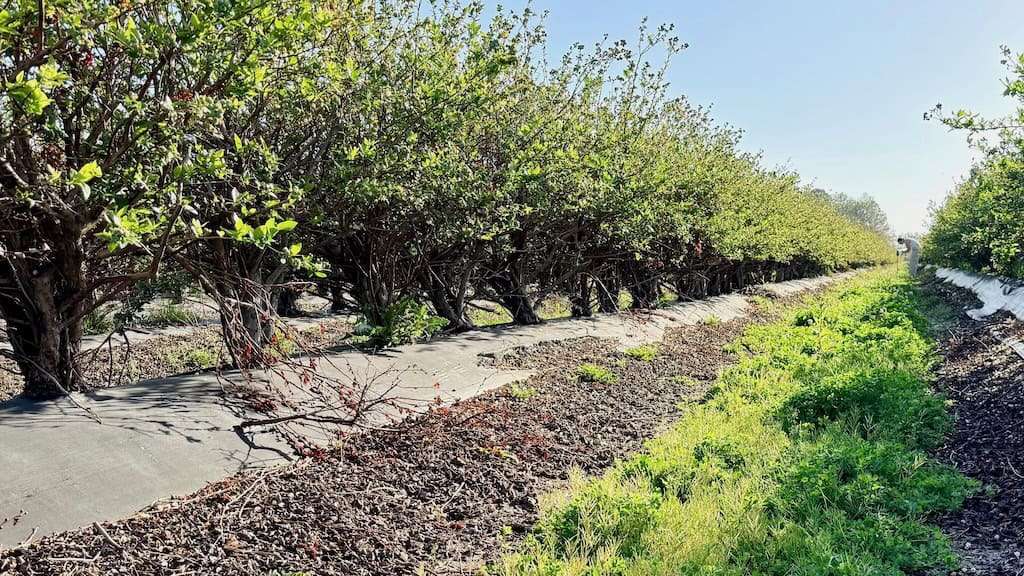
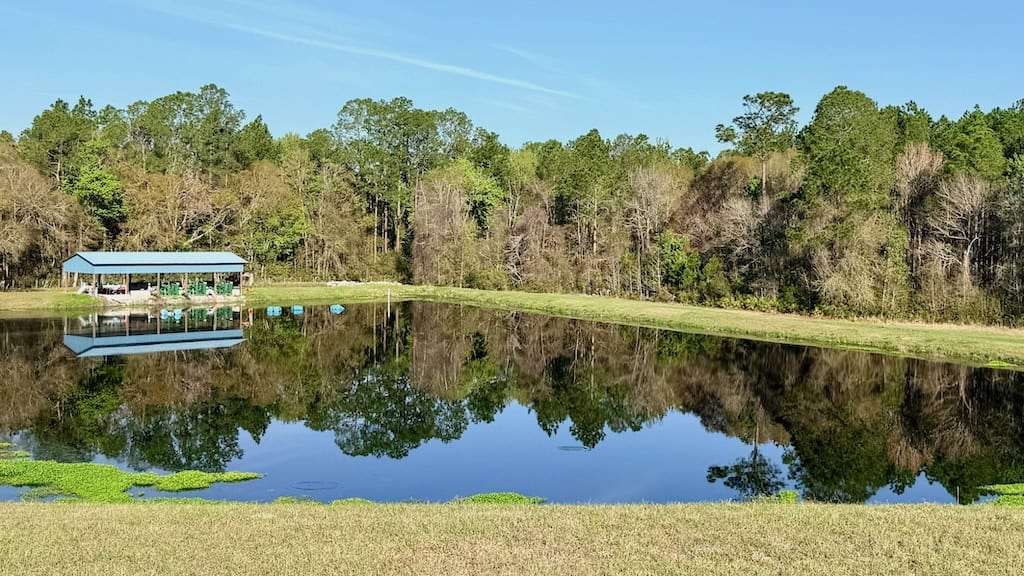
That recognition makes sense when you see what they are doing. They use weather stations for monitoring, drip irrigation, ground cover, soil moisture monitoring, and plant tissue and root growth monitoring. They have a two acre recovery pond for drainage and have implemented filter strips and EnviroGrid Geocell systems to reduce their impact on local waterways. They also use fertigation systems to apply nutrients directly to each plant’s roots.
That is a lot of intentionality.
Brittany also shared some of their biggest challenges. One is the H2A visa program, which requires enormous cost and effort to ramp up labor when needed. Another was this year’s unusual cold, which hit right as blueberries were budding. They ran irrigation for days to encase the plants in ice and protect them from colder temperatures, which is a common strategy. But this time heavy winds hit those iced over branches and caused a lot of breakage. Every broken branch meant lost fruit. They are still recovering from that, and harvest was only weeks away when we visited.
That stop really drove home how much can be going right on a farm and how one weather event can still change everything.
Florida Blue Farms contact information
Facebook: fb.com/FLBlueFarms
Instagram: @FLBlueFarms
Website: FLBlueFarms.com
UF IFAS, and Why Research Matters to Every Grower
The final stop was one I deeply respect because I learn from their work all the time, UF IFAS.
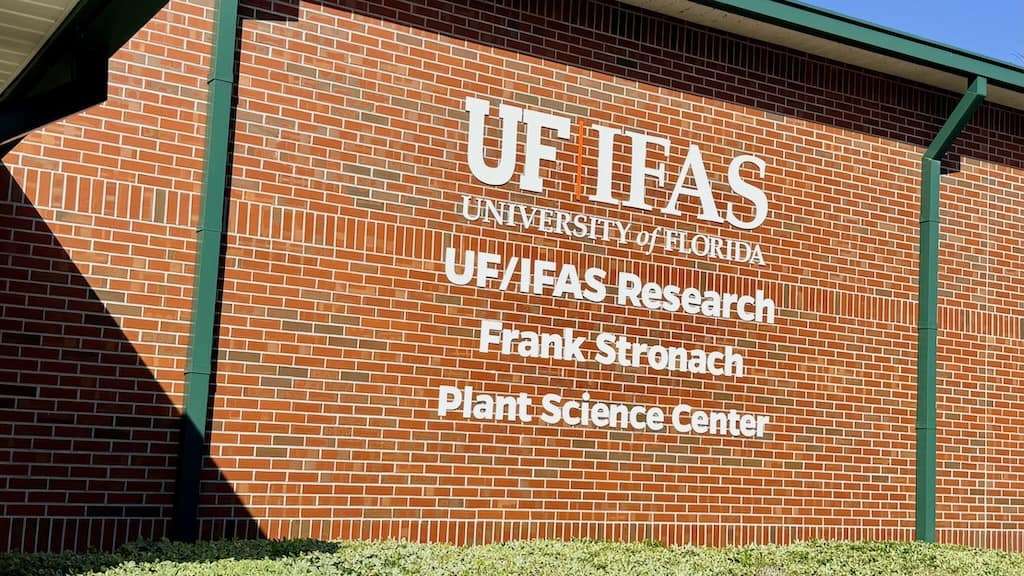
We got a front row tour of their 1,100 acre Plant Science Research and Education Unit, and it was one of those experiences where every ten minutes I had a new reason to be impressed. We learned about studies for NASA around ground impressions, sugar cane for ethanol production, citrus variety resistance to citrus greening, turf trials for golf courses, indoor leafy greens grown in semi trailer units, honeybee research on hive collapse, coleus variety testing, stevia testing for Splenda, shade level testing for grass, side by side trials of organic versus conventional vegetable production, and the blueberry breeding program led by Patricio Muñoz.
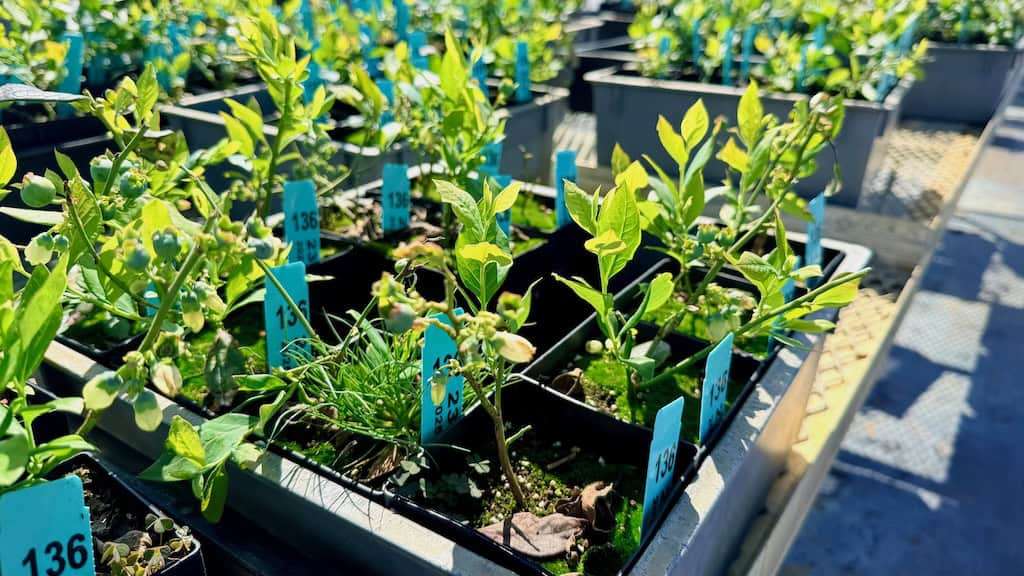
And yes, I got to taste test blueberries.
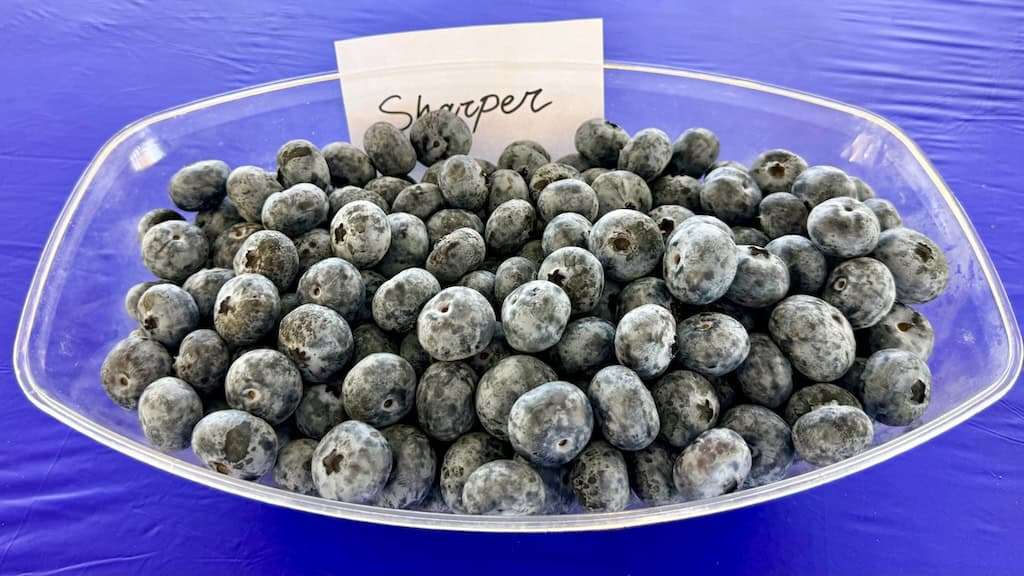
We tried three varieties, including the new Sharper variety, and I genuinely loved it. It had this nostalgic flavor I cannot quite place from childhood, and the berries were almost twice the size of a typical blueberry with a tougher skin that could hold up to mechanical harvest. It was one of those moments where you realize how much research is quietly shaping the future of what we all grow and eat.
After the tour we had lunch and a round table discussion about challenges and innovations in Florida agriculture, and I kept coming back to one thought. The work done at UF/IFAS does not only help big farms. It helps everyone trying to grow in Florida, from commercial operations all the way down to backyard gardeners like me.
That is another reason buying local matters. It supports the growers who are out there testing, adapting, and helping move agriculture forward in our state.
UF IFAS Plant Science Research and Education Unit contact information
Facebook: fb.com/UFIFASPLANTSCIENCEUNIT
Instagram: @UF.IFAS
Website: PlantScienceUnit.IFAS.UFL.Edu
Why Buying Local Florida Produce Matters
I came into this trip already caring about local food. I left caring even more.
If you grow your own food, keep doing that. Grow as much as you can. Grow the crops that make sense for your space, your time, and your climate. There is no fresher, more satisfying food than what comes out of your own garden.
But when you cannot grow it yourself, or you cannot grow enough, look for the Fresh From Florida label first. And if Florida is not available, choose the next closest option. That one habit does a lot.
It supports family farms. It keeps more money circulating in our communities. It gives you fresher food because it did not have to travel as far. And it supports the agricultural research and innovation that keeps improving how food is grown here in Florida.
I think a lot of us want to make better choices, but sometimes we overcomplicate it. This is actually pretty simple.
Grow what you can.
Buy local when you cannot.
Look for Fresh From Florida first.
That is the lesson I am taking home with me.
After walking through these farms and meeting the families behind them, those labels mean a lot more to me than they used to.
#hosted #freshfromflorida #ffva