Last Updated on July 30, 2026 by Homegrown Florida
There is a reason so many people believe they have a “black thumb.” They buy a few plants, spend an entire weekend building a garden, eagerly wait for that first harvest, and then gardening mistakes begin. Tomatoes split. Cucumbers taste bitter. Bugs show up overnight. Suddenly, gardening feels a lot harder than it looked.
The truth is, most new gardeners aren’t failing because they lack talent. They’re simply running into the same handful of mistakes that almost every gardener makes at the beginning.
I know because I made them too.
Eleven years ago, I planted my very first garden in the backyard of my first home. The yard was nothing but blazing Florida sunshine and pure sand. I didn’t know which vegetables grew in which season. I didn’t understand fertilizers, pests, or why some plants thrived while others struggled. I made just about every mistake you can imagine.
As frustrating as those early seasons were, they taught me lessons that completely changed the way I garden. Today, I want to help you skip some of that trial and error so you can spend less time feeling discouraged and more time harvesting food you’re excited to bring into your kitchen.
Table of Contents
This post may contain affiliate links. Read full disclosure here.
Mistake 1: Choose the Right Crops for the Right Season
If there’s one mistake that frustrates more new gardeners than almost anything else, it’s planting vegetables at the wrong time of year.
It sounds simple, but if you’ve never grown a garden before, how would you know that broccoli and tomatoes have completely different temperature preferences? Or that some vegetables actually thrive during the hottest part of summer while others stop producing altogether?
Every vegetable has a season when it naturally performs its best. Understanding those seasons is one of the biggest keys to gardening success.
I like to think of vegetables as falling into three categories: cold-weather crops, warm-weather crops, and hot-weather crops. Once you understand those groups, deciding what to plant becomes much easier.

- Cold-weather crops prefer cool days and chilly nights. In most parts of the country, they’re grown in early spring or fall. Here in Florida, they’re our winter garden.
- Lettuce
- Broccoli
- Cauliflower
- Cabbage
- Kale
- Kohlrabi
- Onions
- Garlic
- Peas
- Potatoes
- Warm-weather crops enjoy mild nights and warm days, but they begin to struggle once temperatures become excessively hot. In Florida, we typically grow these in spring and again in fall, while gardeners in cooler climates often grow them throughout the summer.
- Tomatoes
- Bell peppers
- Eggplant
- Cucumbers
- Squash
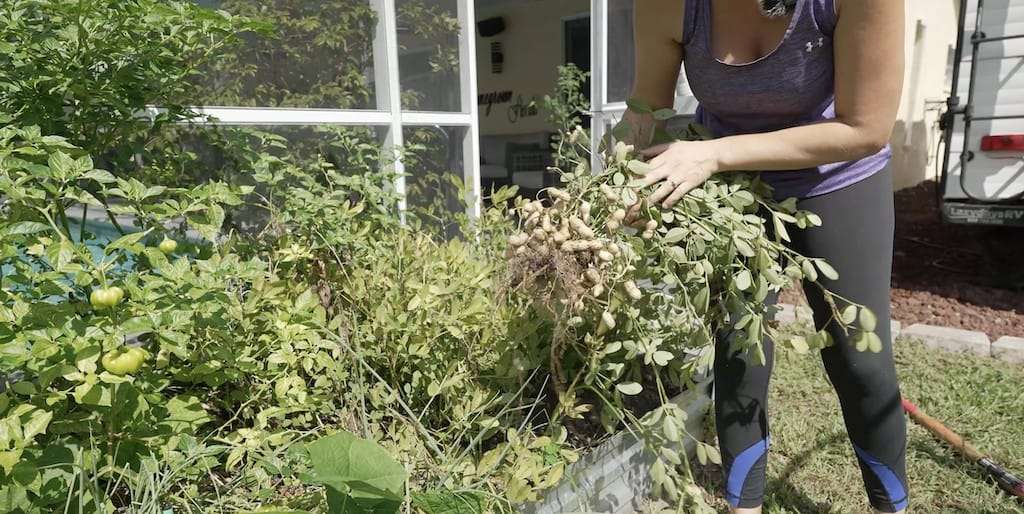
- Green beans
- Dry beans
- Hot-weather crops don’t just tolerate extreme heat, they thrive in it. These crops are ideal for Florida and other hot climates, while northern gardeners often need to give them a head start to ensure they mature before cooler weather arrives.
- Sweet potatoes
- Long beans
- Ginger
- Turmeric
- Peanuts
- Loofah
- Tropical squash
- Tropical spinach
The easiest way to know when to plant is to stop guessing. Your local Extension office is one of the best gardening resources available because its recommendations are based on your local climate, not national averages. Local planting calendars, experienced gardeners in your area, and regional gardening guides are also excellent references.
Planting at the right time doesn’t guarantee a perfect garden, but planting at the wrong time almost guarantees frustration. Before buying seeds or seedlings, make sure the season matches what your plants actually want.
Mistake 2: Understand Your Local Climate
Even gardeners who plant at the right time can run into problems if they don’t understand their local growing conditions.
One of the biggest surprises for new gardeners is that two people can live in the same USDA Hardiness Zone and still have completely different gardening experiences. A gardener in California and a gardener in Florida might both be in Zone 9B, but their gardens face very different challenges.
Florida gardeners deal with intense humidity, frequent summer rain, hurricanes, and fungal diseases that love warm, damp conditions. Gardeners in other parts of the country may battle drought, strong winds, late frosts, heavy clay soils, or completely different insect pressures. Those differences affect everything from when you plant to which varieties perform best.
One of the first things every new gardener should learn is their USDA Hardiness Zone and their average first and last frost dates. Together, those give you a general idea of your growing season and help determine when it’s safe to plant different crops.
Just remember that those numbers are only part of the story.
Your local weather patterns matter just as much. Do you regularly receive heavy summer rain? Are your springs unusually windy? Do late frosts happen often? Does your area experience extended periods of drought? Those conditions shape the way you garden every bit as much as your hardiness zone.
Choose Varieties That Thrive Where You Live
Once you understand your climate, the next step is choosing varieties that are well suited to it.

Some tomatoes are naturally more resistant to cracking after heavy rains. Certain flowers handle Florida’s humidity much better than others. Some vegetables have been bred specifically to tolerate common regional pests or diseases. The same is true across the country. Every area has varieties that consistently outperform others because they’ve proven themselves under local growing conditions.
One of the easiest ways to find those varieties is to learn from people who garden where you do. Local Extension offices, regional gardening groups, neighborhood garden clubs, and experienced gardeners in your area can all point you toward local varieties that have already been tested in your climate.
Instead of trying to make every vegetable work everywhere, stack the odds in your favor by choosing plants that naturally fit your environment. Gardening becomes much less frustrating when you’re working with your climate instead of constantly fighting against it.
Mistake 3: Build Confidence with Seedlings First
One of the biggest debates among gardeners is whether it’s better to start from seeds or buy seedlings. If you’ve spent any time online, you’ve probably seen people proudly growing everything from seed, which can make it feel like buying plants from the garden center is somehow taking the easy way out.
It isn’t.
In fact, I think seedlings are one of the best investments a brand-new gardener can make.
Growing from seed is incredibly rewarding, but it’s also an entirely separate skill. Before that tiny seed ever becomes a healthy plant, you have to learn about germination, watering schedules, lighting, fertilizing, air circulation, and a long list of problems that can wipe out seedlings in a matter of days. That’s a lot to take on when you’re already learning how to care for a garden.
A healthy seedling gives you a head start. Instead of waiting weeks for seeds to sprout and develop into sturdy young plants, you can begin with something that’s already established and ready to grow. That means you’ll spend your time learning how to water, fertilize, identify pests, and care for mature plants instead of worrying about whether your seeds will even germinate.
There’s another benefit that often gets overlooked.
Gardening is built on confidence.
When you see your first tomato ripen or harvest your first head of lettuce, you start believing that you really can grow your own food. That confidence makes it much easier to tackle seed starting later because you’ve already learned how healthy plants behave as they grow.

Not every vegetable should be transplanted, though. Some crops perform much better when their seeds are planted directly into the garden because their roots don’t like being disturbed.
- Carrots
- Radishes
- Turnips
- Beans
- Peas
Many of the vegetables beginners are most excited to grow, however, transplant beautifully and often establish themselves quickly once planted.
- Tomatoes
- Peppers
- Eggplants
- Broccoli
- Lettuce
- Kale
- Collards
- Cabbage
If you’re standing in the garden center wondering whether to buy that tomato seedling, my advice is simple.
Buy the seedling.
There will be plenty of time to learn seed starting later. Your first season should be about learning how to grow healthy plants and enjoying your first harvests, not making gardening harder than it needs to be.
Mistake 4: Feed Your Soil Before Your Plants Need It
The next mistake you might make is around soil fertility and how to feed your plants. A lot of beginners have this idea that they can just plant their vegetables, give them dirt and water, and hope for the best without ever adding fertilizer or other amendments.
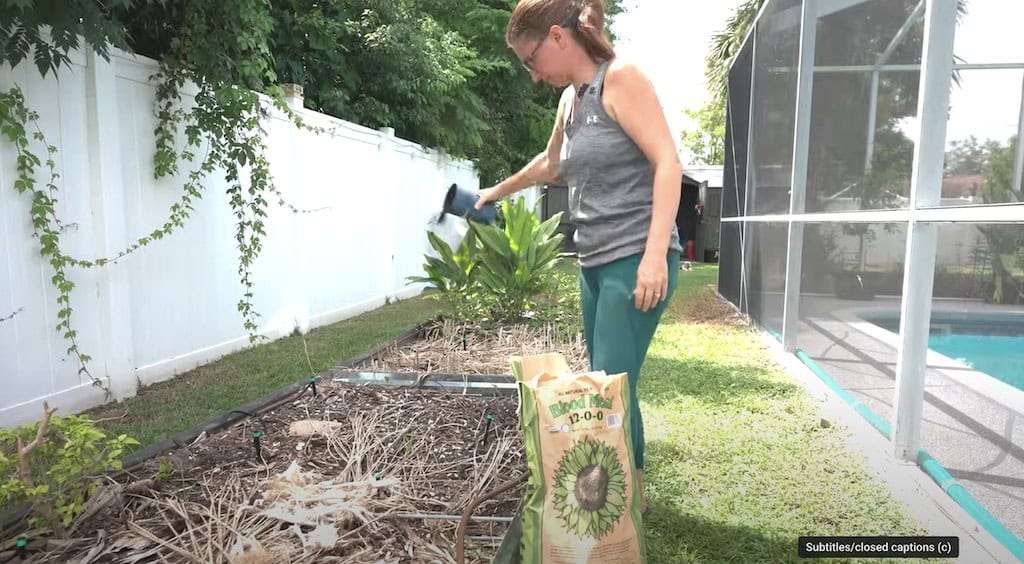
I want you to think about it like this. Imagine you had a little kid and all you ever gave them was bread and water. They could survive, right? But would they be happy? Would they be growing the way they should? Would they have the energy to do everything they needed to do? Probably not.
Your plants are the same way.
If you never feed them, they’ll usually survive as long as they’re getting water, but they’re probably not going to thrive. They’ll often produce less, look less healthy, and struggle to perform the way they’re capable of.
The good news is there are a lot of different ways to improve the fertility of your soil. Fertilizer is a great place to start, but compost, organic mulches, manures, worm castings, and other soil amendments all contribute to building healthier soil over time. Learning how all of those work is something I consider more intermediate gardening, though. If you’re just getting started, I think the simplest approach is also the best.
Start with a granular fertilizer.
The reason I recommend a granular fertilizer over a liquid fertilizer has nothing to do with one being better than the other. They both work. The difference is how often you have to apply them.
Liquid fertilizers are typically applied every week or two because they’re immediately available to the plant. Granular fertilizers release nutrients over a much longer period, so most only need to be reapplied every one to three months. When you’re brand new to gardening, I don’t want you worrying about remembering to fertilize every weekend. A granular fertilizer keeps things much simpler while you’re learning everything else.
There are also two main types of granular fertilizers: organic and synthetic. Both can grow healthy plants, and I’ve used both over the years. The biggest difference is how they’re made and how quickly the nutrients become available.
Organic fertilizers are made from natural ingredients and take a little longer to break down before your plants can use them. Usually you’re looking at about two to four weeks before those nutrients are fully available, which is why I recommend applying them when you plant. That way they’re already breaking down by the time your plants really begin to grow.
Synthetic fertilizers work much faster. In many cases, the nutrients become available within just a few days, giving plants a quick boost. The tradeoff is that they’re also easier to overapply, especially for beginners. If you use more than the label recommends, you can actually damage your plants instead of helping them.
That’s one of the reasons I usually recommend an organic granular fertilizer for new gardeners. It’s much more forgiving. While it’s still possible to overfeed with an organic fertilizer, it’s considerably harder to do than with a synthetic one.
Whichever type you choose, the most important thing is simply feeding your plants consistently. Don’t get caught up worrying about finding the “perfect” fertilizer. There are plenty of good options, and they’ll all help your plants far more than not fertilizing at all.
Mistake 5: Not Every Bug Is the Enemy
The first time you find holes in your leaves or notice an insect crawling across one of your plants, your instinct is probably going to be, “How do I get rid of every bug in my garden?”

Take a deep breath.
Not every insect is causing the damage you see, and getting rid of every bug is one of the quickest ways to create even bigger problems.
One of the biggest surprises for new gardeners is learning that gardens need insects. Pollinators help your plants produce food, while beneficial predators spend their days hunting the insects that actually damage your vegetables. If you remove everything, you also remove many of the creatures that help keep your garden healthy.
The tricky part is that the insects doing the most damage are often the hardest to find. Some are tiny enough to blend into the leaves, like aphids. Others only come out after dark, like slugs and snails. Some, such as squash vine borers, spend much of their life hidden inside the plant itself. Meanwhile, the larger, more noticeable insects you spot during the day may actually be helping your garden rather than hurting it.
That’s why it’s so important not to panic at the first sign of damage.
Instead, slow down and play detective.
Take a close look at the plant. Examine both the tops and undersides of the leaves. Notice whether the damage is happening overnight or during the day. If you find an unfamiliar insect, try to identify it before deciding what to do.
There are plenty of ways to research a mystery bug. Search online using descriptive terms like its color, shape, size, location, and the plant it was found on. Local Extension offices, gardening groups, and experienced gardeners can also help you identify whether you’re looking at a pest or a beneficial insect.
Many pest problems resolve themselves naturally once beneficial insects discover an easy meal. That’s one of the reasons experienced gardeners don’t rush to spray every insect they see. Giving nature a chance to restore balance often works better than reaching for a treatment immediately.
The goal isn’t to eliminate every bug from your garden.
The goal is to protect your plants while creating a healthy garden ecosystem where the good insects can help you do some of the work.
Mistake 6: Start Smaller Than You Think You Should
One of the biggest mistakes I see new gardeners make is starting too big.
I completely understand why it happens because gardening is exciting. You start picturing all the fresh vegetables you’re going to harvest, so you begin shopping for raised beds, irrigation systems, grow bags, fertilizers, trellises, and every gardening gadget you can find. Before you know it, you’ve spent hundreds of dollars and invested countless hours building the perfect garden.
Then the first season doesn’t go quite the way you expected.
Maybe you harvest one tomato. Maybe pests destroy your cucumbers. Maybe your peppers never really take off. After investing so much money, time, and effort, it’s incredibly discouraging when the results don’t match your expectations. That’s when I see a lot of people throw in the towel, and I don’t want that to happen to you.
Instead, I want you to start small.
If you’re interested in raised beds, build one 4-by-8-foot bed. If you want to try grow bags, buy one inexpensive pack instead of investing in premium vertical planters right away. If you’d rather grow in the ground, clear out a single flower bed, add some compost, and start there. Keep it simple and keep it affordable while you’re figuring out whether you actually enjoy gardening.
The one place I do recommend spending a little extra money is on seedlings or starts instead of seeds. They’re more expensive upfront, but they’re also much more forgiving for beginners and give you the best chance of early success.
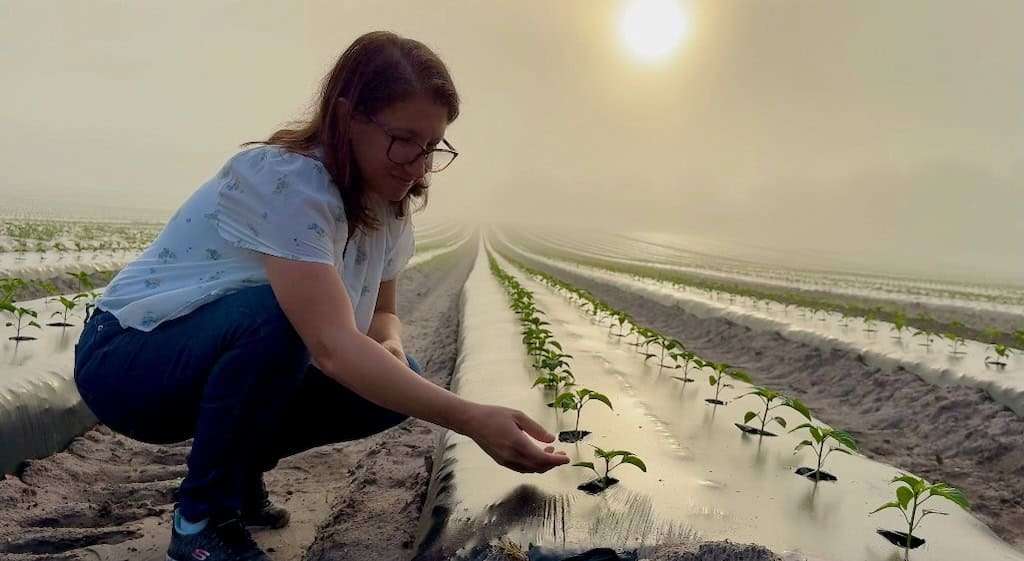
The garden you see behind me today didn’t happen overnight.
After more than a decade of gardening, I have multiple raised beds, GreenStalk planters, a composting system, inground beds, and fruit trees. None of that existed when I started. My very first garden was simply a small section of my backyard that my husband bordered with wood. I grew there for three years, learned what worked, made plenty of mistakes, and gained the confidence to slowly expand over time.
I like to compare it to your first car.
Most of us didn’t start with our dream car. We started with the old beater that had a few dents, maybe the air conditioning didn’t work, and you didn’t panic if it got another scratch because you were still learning to drive.
Your first garden should be the same way.
You need a garden that’s okay to make mistakes in. Don’t feel like you have to buy the perfect raised bed, the most expensive irrigation system, or the premium soil mix before you’ve even grown your first tomato. You’ll hear endless debates about which soil is best, which containers are best, and which gardening method is best. The truth is that most of them will work well enough to help you learn.
Just get started.
Mistake 7: Harvest at the Right Time, Not the Grocery Store Time
After weeks or even months of caring for your garden, harvest day should be the reward. Unfortunately, it’s also where many new gardeners accidentally undo all of their hard work.

One of the biggest misconceptions is believing that homegrown vegetables should look and behave exactly like the ones at the grocery store. They don’t.
Commercial produce is bred and harvested with shipping, shelf life, and appearance in mind. Your garden is producing food for flavor, and that often means harvesting at a completely different stage.
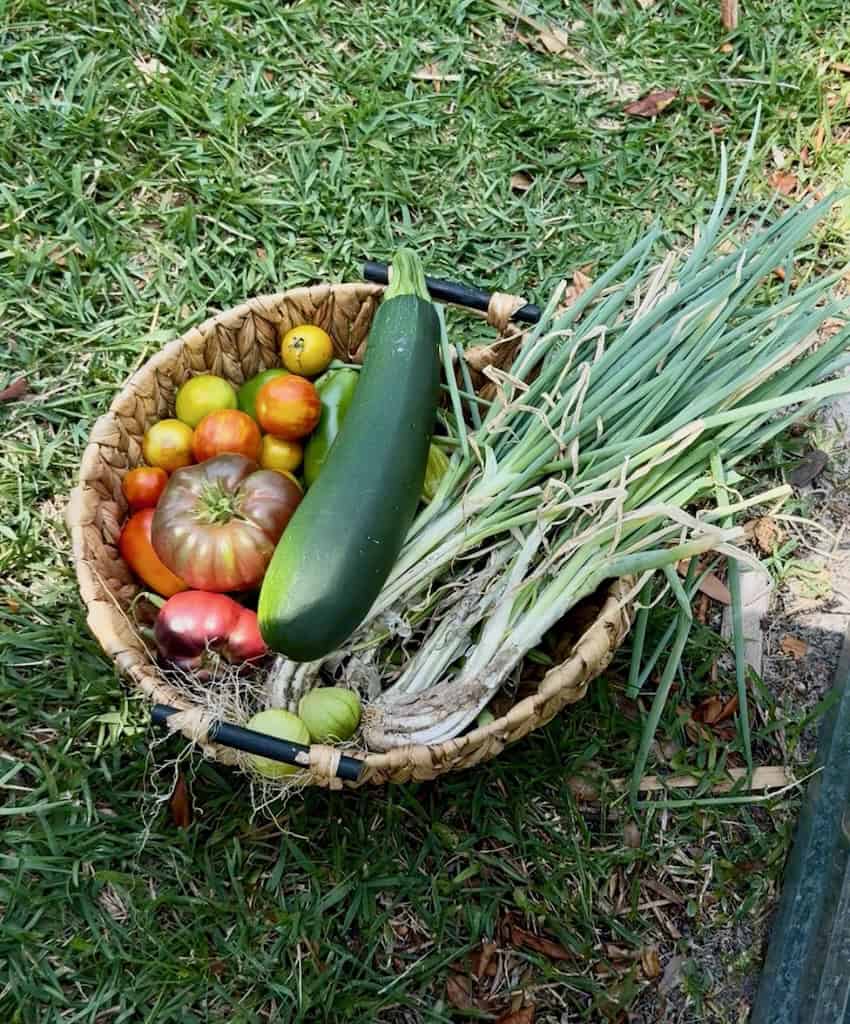
Take tomatoes, for example. I rarely wait until mine are fully ripe on the vine. Instead, I harvest them when they’ve just started to change color or even while they’re still slightly green. They’ll finish ripening indoors, and by bringing them in early, I reduce the chances of insects, birds, squirrels, splitting, and storm damage ruining the harvest.
Other crops work the exact opposite way.
Watermelons and corn often need to stay on the plant longer than most people expect. It’s tempting to harvest as soon as you notice the classic signs that they’re getting close, but patience usually pays off. Waiting a little longer often results in sweeter melons and fuller ears of corn.
Cucumbers are another great example. Many beginners wait until they’re as large as the cucumbers at the grocery store before picking them. By then, they’re often overmature, with tougher skins, larger seeds, and sometimes a bitter flavor. Picking them earlier usually produces a much better eating experience.
Every vegetable has its own ideal harvest window, and learning those windows is part of becoming a better gardener. Before growing a new crop, spend a few minutes learning what a properly harvested fruit or vegetable should look like. That small investment of time can make the difference between an incredible harvest and one that leaves you wondering what went wrong.
It’s also important to remember that homegrown produce isn’t supposed to be perfect.
Your tomatoes may have small cracks after a heavy rain. Lettuce might have a few tiny holes from insects. Heirloom tomatoes come in colors, shapes, and sizes that most grocery stores would never sell. None of those things automatically make your harvest bad.
In an organically managed garden, cosmetic imperfections are simply part of growing real food. Most minor blemishes can be trimmed away, and many don’t affect eating quality at all. The goal isn’t to grow flawless vegetables. It’s to grow healthy, delicious food.
Once you let go of grocery store expectations, you’ll begin to appreciate what makes homegrown produce so special.
Mistake 8: Stop Comparing Your Garden to Everyone Else’s
Out of all the mistakes on this list, this is probably the one that discourages new gardeners the most.
Comparison really is the thief of joy.
It’s so easy to look at someone else’s garden online and wonder why yours doesn’t look the same. Maybe you’re comparing your tomato harvest to mine, or you’re looking at someone else’s overflowing raised beds and wondering what you’re doing wrong.
What you don’t see is everything that came before those harvests.
I’ve been gardening for more than a decade, but those 11 years included plenty of failures. There were seasons when I walked into the house and told my husband I was quitting. I wanted to bulldoze the garden, plant grass everywhere, and never grow another vegetable again. I even lost my entire garden to a hurricane once. Those moments were frustrating, discouraging, and honestly heartbreaking, but they were also part of becoming a better gardener.
That’s why comparing your first season to someone else’s tenth or fifteenth season isn’t fair. You’re comparing completely different levels of experience.
Even comparing yourself to another beginner isn’t always helpful because every garden is different. Someone in Michigan has different weather, different pests, and different soil than someone gardening in the swamps of Louisiana or in South Florida, where iguanas might eat every tomato before it ever makes it into the kitchen. We all face different challenges, which means our gardens are going to look different too.
Instead of comparing yourself to someone else, compare yourself to where you were last season.
I have a friend here in Florida that I’ve talked gardening with for years. We share pictures back and forth and compare how our seasons are going. I remember a time when he couldn’t even get tomato seedlings to survive. Now he sends me pictures of tables covered with ripe tomatoes. When he gets frustrated with a season, I remind him where he started because it’s easy to forget just how much progress you’ve made.
That’s the comparison that actually matters.
Every season you’re learning something new. You’re discovering which varieties perform best in your garden, figuring out how to manage pests, learning when to fertilize, and paying closer attention to what your plants need. Little by little, you’re building experience that no book or YouTube video can give you.
So don’t measure your success by someone else’s harvest.
Measure it by your own progress. Even if all you harvested this season was one cherry tomato, one bell pepper, or enough lettuce for a single salad, that’s still something to celebrate. You grew food that you planted yourself, and that’s something a lot of people never even attempt.
Be proud that you started. The harvests will come, and with every season, you’ll become a better gardener.
Gardening Mistakes Make You a Better Gardener
If there’s one thing I hope you take away from this article, it’s that becoming a good gardener isn’t about avoiding every mistake.
It’s about learning from each one.
Every experienced gardener has planted something too early, forgotten to fertilize, harvested a vegetable at the wrong time, or watched pests get the upper hand. We’ve all stood in the backyard wondering what went wrong. The difference is that we kept planting anyway.
Gardening isn’t something you master in a single season. It’s a skill that’s built one harvest, one success, and yes, one failure at a time.
So if your tomatoes don’t produce this year, try again next season. If your lettuce bolts before you’re ready to harvest it, make a note to plant it a little earlier next time. If you lose a plant to pests or weather, remember that every gardener has a story just like yours.
Celebrate the small victories along the way.
Maybe it’s your first tomato. Maybe it’s a handful of green beans. Maybe it’s enough lettuce for one fresh salad. Those moments matter because they’re proof that you’re learning, improving, and growing right alongside your garden.
The beautiful thing about gardening is that every season gives you another chance. Another chance to try a new variety, improve your soil, plant at a better time, or simply enjoy spending a little more time outside.
Every great gardener started exactly where you are now.
So don’t worry about having the perfect garden.
Just focus on growing a better one than you had last season.

Nicole McDonald
Thank you so much for these blog posts! I found you on tik tok and ventured over to your website and I’m really loving all of the info you share! I appreciate your time and knowledge!
Homegrown Florida
I’m so glad you are enjoying the content!
Bonney
I agree…. all your experience you are sharing with us for FREE!!!
THANKYOU SOOO MUCH.
Funny I trust you more than google. or AI…. lol
I have two questions for you…l have had a nice green beans plant… but for the last two seasons they taste like fish when I cook them. What is causing that?? I was so proud of them.. I’d pick like three or four and put them in a Ziploc bag and right to the freezer… no washing just as is… and repeat this every few days as they grew and when I had enough for dinner I would cook them. But after a bite or two they were just awful.
My other question is do you recommend not planting the same plant in the same spot as the last season…? I think I read this somewhere or something and like I said I trust your opinion much much more.
Thankyou so much again for sharing your knowledge with us..
Sincerely,
Bonney
Homegrown Florida
My best guess is it’s related to your fertilizer. If you are using an organic liquid fertilizer, there is a high likelihood that it contains fish. It could be that it splashed on the plant or just absorbed onto the plant. If you are using a granular the same can be true but it’s less likely. I suggest switching to a different fertilizer or diluting it more. The other option is how much they are being cooked. it can happen if they are overcooked. Do they taste fishy raw as well as cooked?
Janice Marie Casadevall. Aka (Maria)
Hi good afternoon: I just started gardening this past April. I started looking on YouTube and TikTok about gardening and I found you! What. God send you are sharing such awesome information and experiences. I noticed something in your bio about a monthly gardening club. I’m very interested in joining I’m just not sure which level is for beginners. I would really appreciate if you could share your input on this . Thank you for your time. I appreciate all your posts😊 I look forward to hearing from you.
Warm regards,
Maria C
Homegrown Florida
Hi Maria,
Thanks so much for watching! An congratulations on your new garden! As for the monthly garden club, I think you might have me confused with someone else. I don’t have anything listed in my “About Me” section or in any of my social media bios about that.