Last Updated on August 27, 2026 by Homegrown Florida
Starting a Florida fall garden feels a little ridiculous. It’s August, we’re dealing with some of the hottest weather of the year, and I’m pulling out broccoli seeds and talking about fall.
But that’s exactly how Florida gardening works.
Table of Contents
This post may contain affiliate links. Read full disclosure here.
If we wait until beautiful fall weather arrives to start our seeds, we’re already behind. Tomatoes, peppers, broccoli, cauliflower, celery, Brussels sprouts, kale, collards, herbs, and flowers all need time to germinate and grow before they’re ready for the garden. By starting many of them in August, we can have established plants ready to take advantage of better growing conditions when they arrive.
Of course, starting seeds during a Florida summer comes with its own challenges. Seed trays dry quickly, heavy rain can drown seedlings, and some of our fall crops aren’t particularly thrilled about being alive in August. The trick is knowing what to start now, what can wait, and how to get those seedlings through the heat.
Why Florida Fall Seed Starting Begins in the Heat
When deciding when to start seeds, don’t think only about today’s weather. Think about the weather the plant will experience when it matures.
A tomato started from seed in August won’t produce tomatoes next week. It needs time to germinate, grow large enough to transplant, establish itself, flower, set fruit, and ripen. By then, Florida’s weather should look very different.
Where you live matters too. North Florida cools earlier and has an earlier frost risk. Central Florida has a longer warm-season window, while South Florida gardeners can often grow warm-season crops well into winter. That’s why there isn’t one fall seed-starting date that works for the entire state.
What You Need to Start Fall Seeds
You don’t need an elaborate setup to start seeds. My basic supplies include:
- Seed-starting mix or an appropriate potting mix
- Seed trays or cell trays
- Plant labels
- A permanent garden marker
- Fertilizer, if the growing medium doesn’t contain any
- A bucket or tote for premoistening the mix
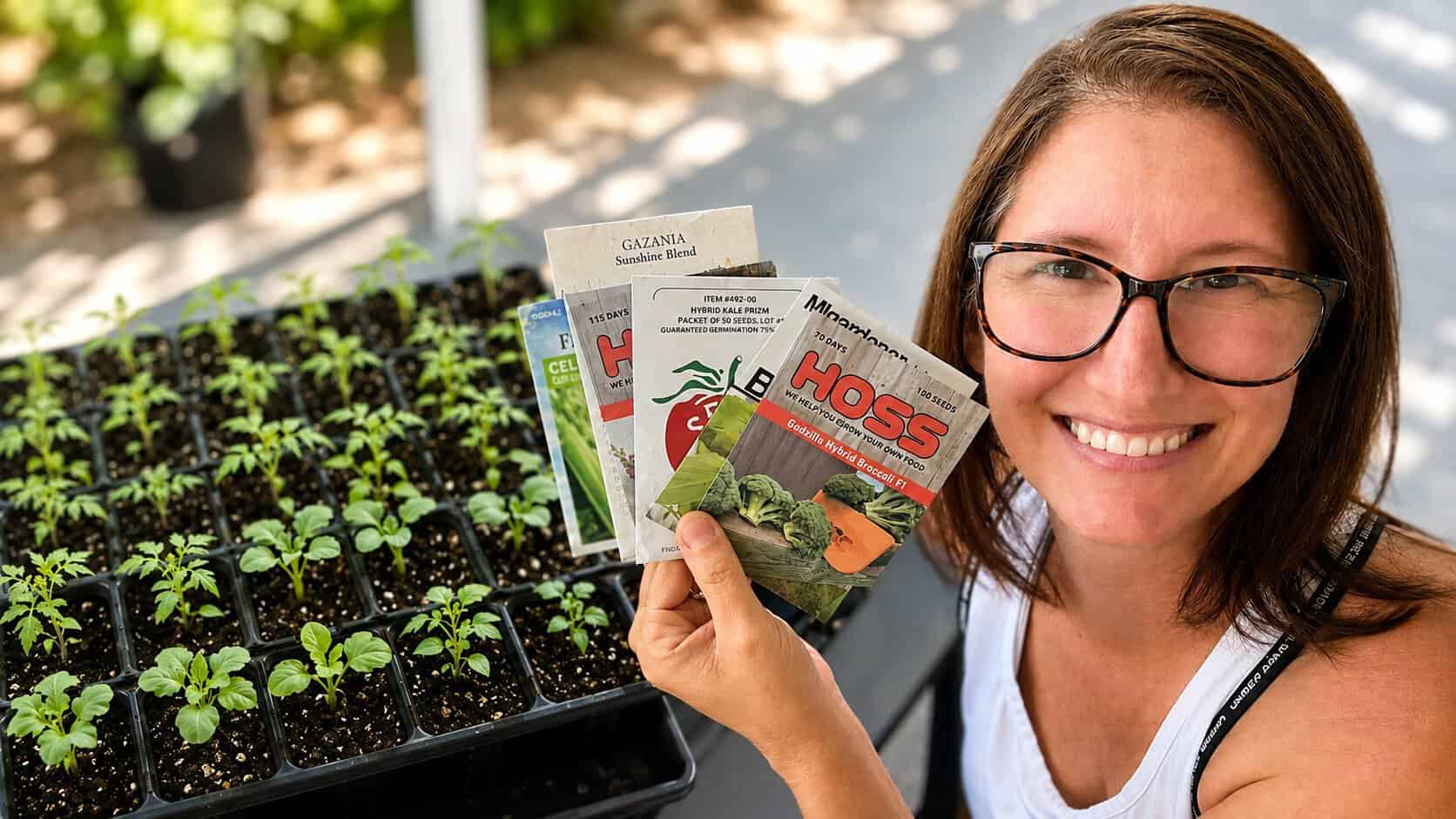
- Seeds
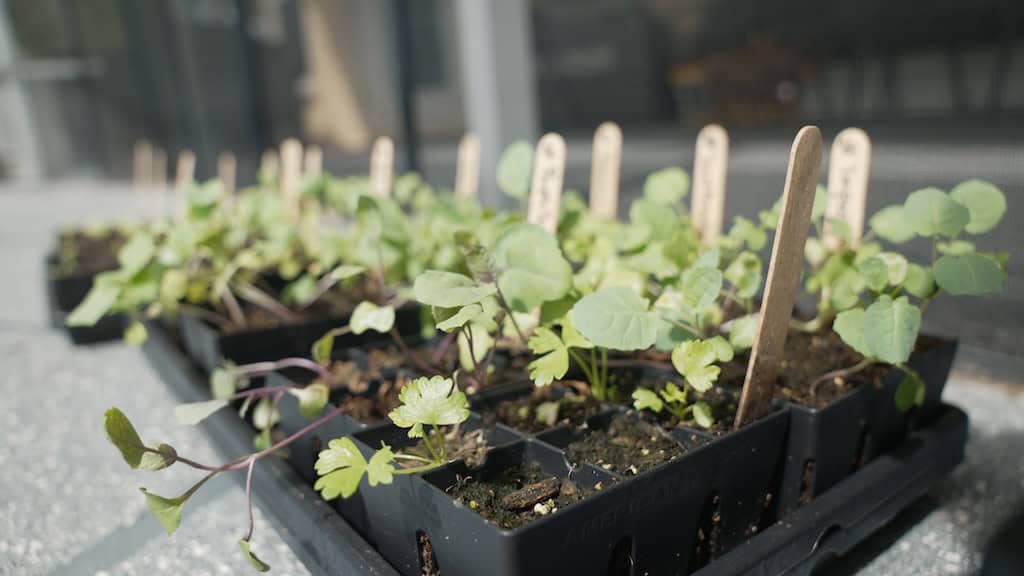
I use six-cell trays for many of my vegetables because they provide enough room for the seedlings to develop before transplanting. I also label everything immediately. Trust me, all those very different vegetables are going to look suspiciously alike when they’re two inches tall.
Preparing Seed-Starting Mix for Better Germination
Before filling my trays, I like to premoisten the growing medium. Put the mix into a bucket or tote and gradually add water while mixing until it’s evenly moist but not waterlogged. If you squeeze a handful, it should feel thoroughly damp without water pouring out.
Premoistening eliminates dry pockets that can interfere with germination. If you prefer, you can fill the trays with dry mix and bottom water them instead. Keep adding water to the bottom tray until the mix stops immediately absorbing it. Depending on the growing medium, this can take anywhere from 30 minutes to several hours, and I’ve even let trays absorb water overnight before planting.
Once it’s moist, fill each cell completely and gently press the mix down to eliminate large air gaps without tightly compacting it.
Do Seedlings Need Fertilizer?
Seeds contain enough stored energy to germinate and get started, but eventually seedlings need nutrients from somewhere.
Dedicated seed-starting mixes generally contain little or no fertilizer, while some potting mixes already contain nutrients. Check the product you’re using before adding anything.
If I’m using an unfertilized mix, I can add a small amount of granular fertilizer when preparing it. The important thing to remember is that granular fertilizer takes time to break down and become available to the plant. That isn’t a problem when you’re planning ahead, but it doesn’t help much when a seedling is already yellow and struggling.
In that situation, I use liquid fertilizer because the nutrients become available much faster. We’ll talk more about when to begin feeding seedlings once they germinate.
What to Start in August for your Florida Fall Garden
August seed starting looks a little different depending on where you live.
- North Florida: Begin many fall seedlings in August because cooler weather and your first frost arrive earlier.
- Central Florida: Many fall crops can be started in August, although waiting until September for some cool-season vegetables makes them much easier to grow.
- South Florida: Be patient with many brassicas and leafy greens. September is often a better starting point.
Tomatoes, peppers, and eggplants are different because they need plenty of growing time before fall. Those are crops I want underway early.
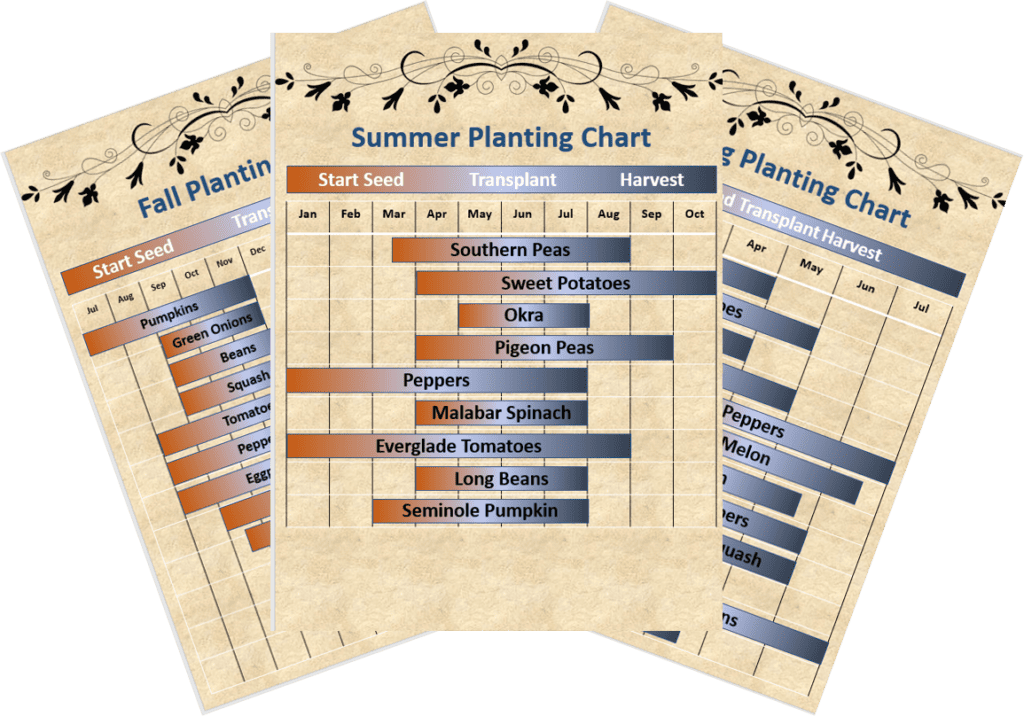
Need help planning your garden beyond this month? Check out What to Plant Each Season in Florida for a full breakdown of the best vegetables, herbs, and flowers to grow throughout the year. It’s your go-to guide for staying ahead of the seasons and getting the most out of your Florida garden.
Starting Tomatoes and Peppers for Fall
I start tomatoes and peppers similarly. Make a small indentation in the growing medium, place about two seeds in each cell, and lightly cover them. I usually start more than one cell of each variety even when I only want one final plant because germination and seedling survival aren’t guaranteed.
I start mine outside in a bright, protected, shady location. You’ll often see recommendations for heat mats and indoor grow lights, but Florida in August is providing plenty of free heat.
Once the seedlings emerge, however, they need actual sunlight. I aim for around four to six hours, preferably morning sun rather than immediately exposing tiny seedlings to a full day of brutal afternoon sunshine.
Choosing Fall Tomato Varieties Based on Your First Frost
Fall tomato selection should be based partly on how much time you have before your first frost. Larger tomatoes generally take longer to mature, so fruit size becomes more important as your growing window gets shorter.
Think about tomatoes in categories:
- Cherry and grape tomatoes
- Plum or Roma tomatoes
- Slicers
- Beefsteaks
South of I-4, where frost is less common, you have considerably more freedom to grow slower varieties. North of I-4, pay close attention to days to harvest and your average first frost.
In my area, frost often doesn’t arrive until around Christmas, although earlier freezes certainly happen. That generally gives me enough time for cherry and grape tomatoes, quicker Roma types, and faster slicers. For fall slicers, I prefer varieties around 70 days or less and become cautious once maturity stretches beyond 100 days.
Farther north, especially in the Panhandle, I’d lean heavily toward cherries, grapes, and fast varieties in roughly the 50 to 60-day range. I generally save beefsteaks for spring because I don’t want to spend months growing a beautiful tomato only to have cold weather arrive before it ripens.
Determinate tomatoes can also make sense for fall in frost-prone areas because you’re working within a limited season and want a concentrated harvest.
Starting Broccoli and Cauliflower
Broccoli and cauliflower can be started in August, but that doesn’t necessarily mean everyone should.
North Florida gardeners can get started in August. In Central Florida, August or September can work, although September is easier because the seedlings require less protection from extreme heat. South Florida gardeners generally benefit from waiting longer.
The good news is that these crops are excellent candidates for succession planting. If an early batch struggles, start another round the following month. In August, I prefer trays because I can better control sunlight, moisture, rain, and pests. Once cooler weather arrives, direct sowing becomes much more practical.
Variety matters too. If you’ve grown broccoli and ended up with tiny heads, you may have chosen a smaller-headed or sprouting variety. Green Magic has performed well for me when I want a substantial main head, while Snowball is one of my cauliflower choices. I also enjoy colored cauliflower varieties like Clementine because if I’m going to grow cauliflower, it might as well be fun.
Broccoli has another advantage. After harvesting the main head, many varieties continue producing smaller side shoots for additional harvests. Cauliflower generally gives you one main head, although the leaves of both plants are edible.
Why Celery and Brussels Sprouts Need Such an Early Start
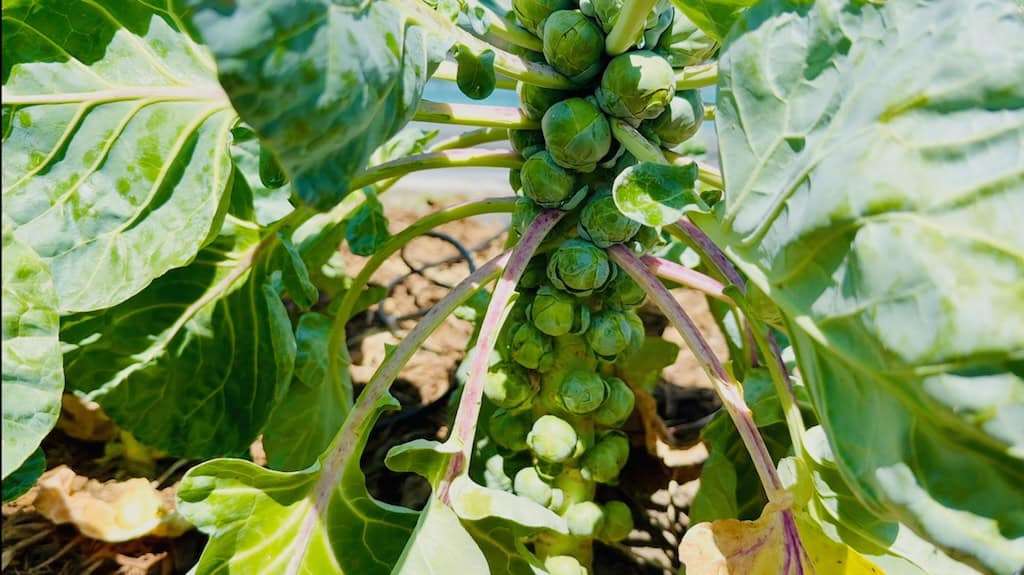
Celery and Brussels sprouts are slow. Very slow.
A seed packet might promise 90 or 100 days, but my experience with both has required considerably more patience. They need cooler weather to perform well, yet they take so long to mature that I start them in August to give them as much growing time as possible.
They’re also challenging crops for Florida. North Florida has the best chance, Central Florida can grow them with some effort, and South Florida gardeners may find the cool season simply isn’t long enough to make them worthwhile.
While they’re young, I protect them from our worst summer conditions. Once nighttime temperatures begin dropping into the 60s, mature plants can move into full sun.
Starting Kale, Collards, and Other Leafy Greens
Kale and collards are more forgiving than celery and Brussels sprouts, and some mustard and Asian greens can also begin entering the rotation.
North Florida gardeners can start kale and collards in August. Central Florida can start now or wait until September, which usually means less babysitting. South Florida should generally wait longer.
If you start early, expect to protect seedlings from excessive heat, harsh afternoon sun, and pests. And if the first batch fails, start another one. We have a long cool-growing season ahead of us, and seeds are cheap.
Starting Fall Herbs and Flowers
Fall is also a good time to start another round of herbs and flowers. Some of my options include:
- Basil
- Lemon basil
- Lime basil
- Parsley
- Chamomile
- Snapdragons
- Petunias
- Gazania
- Calendula as temperatures cool
For tiny herb seeds, I often overseed each cell rather than carefully placing one or two seeds. I’ll sprinkle several over the surface, lightly scuff the growing medium, and thin them later.
Chamomile deserves a special mention because annual and perennial types don’t perform equally well in Florida. I’ve had much better success with annual chamomile, which can grow during our fall and spring seasons and often continues through winter.
Gazania has been one of my experiments. It hates our summer, but it performed surprisingly well during spring, so I’m interested to see what it does during a Florida winter. Sometimes gardening really is just planting something and seeing what happens.
Which Seeds Need Light to Germinate?
Some flower seeds require light for germination, which means they shouldn’t be buried. Place them onto moist growing medium and leave them exposed in a bright, shaded location.
I can never remember which of my tiny flower seeds need light and which don’t, so I keep things simple and surface sow many of them. Larger seeds like sunflowers and nasturtiums can be planted normally.
The challenge with surface-sown seeds is keeping them moist. The top of the growing medium dries quickly in summer, so check them daily and mist the surface as necessary until they germinate.
When Direct Sowing Makes More Sense
Not every crop needs to start in a tray. Some vegetables perform better when their roots aren’t disturbed, and even transplant-friendly crops can temporarily stall after being moved.
Squash is one example. I’ve successfully started squash in trays many times, but I’ve also noticed that transplanting can sometimes stall the plant. This fall, I’m experimenting with direct sowing my Gray zucchini instead.
The problem with direct sowing in August is keeping the seed consistently moist.
My native soil is extremely sandy, so I create a small mound or pocket of moist potting mix where I want the squash to grow. The potting mix holds moisture longer than the surrounding sand and gives the seed a more consistent environment.
My basic process is:
- Create a shallow planting hole in the moist potting mix.
- Plant two or three squash seeds.
- Position the pointed end downward when convenient.
- Gently cover the seeds.
- Mulch around the planting area to slow evaporation.
- Check the moisture every day or two until germination.
The pointed end isn’t critical. A squash seed falling naturally from a plant certainly isn’t checking its orientation before landing. I position it downward when I can, but moisture matters far more.
How to Care for Seedlings After Germination
Before germination, I keep trays under cover in a bright, shady location. Ideally, put them somewhere you’ll walk past every day because forgotten August seedlings can turn into tiny pieces of toast remarkably quickly.

Once roughly half of the cells in an individual tray have germinated, move that tray into direct sunlight. Don’t wait for every seed to come up. Aim for about four to six hours of sun, preferably in the morning.
The east side of a house can work beautifully because seedlings receive morning light while getting some protection from the worst afternoon heat.
Keeping Seedlings Watered Without Drowning Them
Summer seedlings can dry out incredibly fast. During August, I sometimes allow trays to sit in a shallow amount of water so the growing medium can wick up moisture throughout the day. I wouldn’t normally keep seedlings constantly sitting in water during cooler months, but our summer evaporation rate changes things.
Then Florida gives us the opposite problem: torrential rain.
A heavy downpour can batter seedlings and saturate small cells, so I keep mine near the edge of a covered patio where they still receive sunlight but have protection from direct rainfall. The eaves on the east side of a house can provide similar protection.
The goal isn’t a perfect environment. You’re simply trying to maintain some control over how much water those little plants receive.
When and How to Fertilize Young Seedlings
If your growing medium already contains fertilizer, or you added an appropriate granular fertilizer when preparing it, most seedlings may not need additional feeding before transplanting. Tomatoes, peppers, and celery can be exceptions because they may remain in their containers longer.
If you’re using a sterile, unfertilized seed-starting mix, begin feeding once the seedlings develop their first true leaves. I prefer liquid fertilizer at this stage because the nutrients are available quickly.
I think of young seedlings like babies. If a teenager says they’re hungry, they can probably survive while you finish what you’re doing. An infant needs to eat now.
The same idea applies when a tiny seedling is already yellowing from a nutrient deficiency. Granular fertilizer may take a couple of weeks to become available, while liquid fertilizer can address the immediate need much faster.
Start Planning for Winter Before Your Fall Garden Is Planted
It feels strange to think about frost protection in August, but if you live in a frost-prone part of Florida, your fall garden layout should take winter into account.
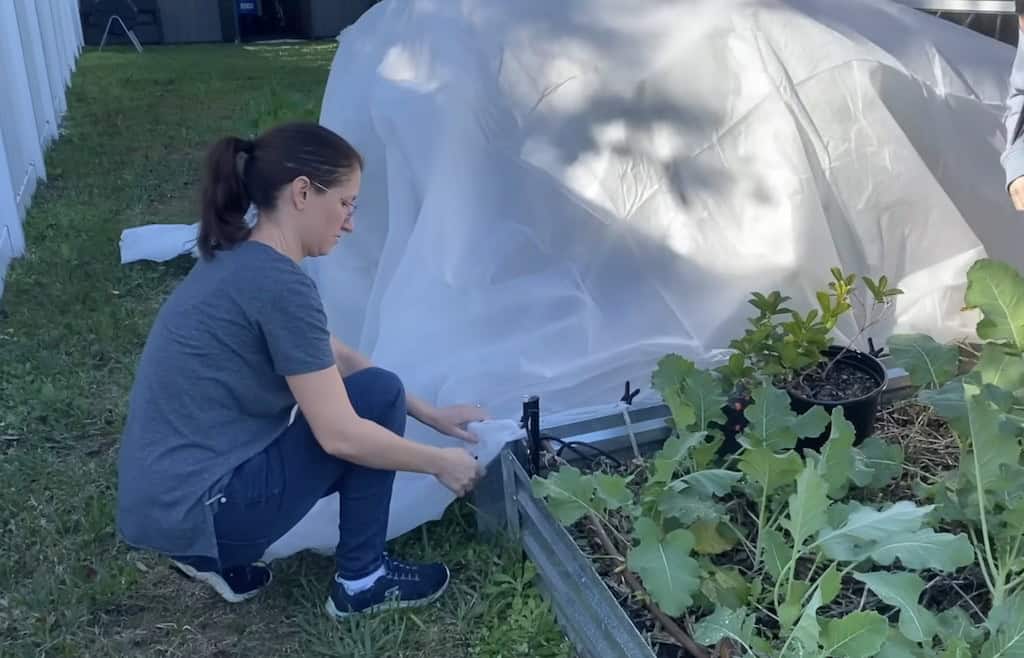
Think about where you’re planting frost-sensitive crops such as tomatoes, peppers, and eggplants. Traditional companion planting advice may tell you not to group certain plants because they share pests or diseases, but practicality matters too.
If I only have one area I can reasonably protect during a freeze, I’m grouping the plants that need protection. Plants don’t suddenly refuse to grow because their preferred companion isn’t next door.
The frost-protection system that has worked best for me uses a structure to keep heavy frost fabric elevated above the plants, doubled 2.0-weight frost cover, and incandescent Christmas lights underneath for supplemental warmth. Rather than waiting for a freeze warning to build everything, I can put much of the infrastructure in place ahead of time.
When cold weather threatens, I only need to add the covers and turn on the lights. That’s considerably easier than running around the garden in the cold trying to protect tomatoes scattered across the entire yard.
Get Your Fall Garden Growing Before the Weather Cools
Starting fall seeds in August requires a little faith. You’re planting broccoli while it’s 90-something degrees outside and talking about frost protection when winter feels impossibly far away.
But that’s the rhythm of gardening in Florida. We start tomatoes and peppers while it’s hot so they’re ready when temperatures become comfortable. We give slow crops like celery and Brussels sprouts an early start because they need every bit of growing time we can give them. Other crops, especially broccoli, cauliflower, kale, and collards, give us more flexibility to start another round if August doesn’t cooperate.
Keep your seedlings consistently moist, move them into sunlight soon after germination, and make sure they have access to nutrients once they need them. Most importantly, don’t treat a failed tray as a failed season. Florida’s fall and winter growing season gives us plenty of opportunities to try again.
Seeds are cheap, start another tray. By the time that glorious cooler weather finally arrives, you’ll be glad you didn’t wait for it to start your garden.


Jeannette Moreno
Hello there! I have some beet seedlings I’d like to up pot. I’m just not sure if I should continue to use a seed starting mix or use a regular potting mix to up pot. Also, I have Promix organic potting mix (yellow bag). Can I use that and should I put some fertilizer in it? If so, what would be a good organic fertilizer to use? Many thanks for your help!
Homegrown Florida
I would move to regular potting mix when up potting seedlings. You can use the promix yellow bag, just add some granular fertilizer to it. Espoma Tomatotone is a good one but there are many different kinds and they all work about the same.