Last Updated on July 30, 2026 by Homegrown Florida
I’ll admit it. I’m a little bit of a food hoarder. Part of that goes back to my childhood and teenage years when I experienced food insecurity. Those experiences stick with you. Even now, my husband and I tend to keep a well-stocked pantry. Some of that comes from growing a garden where everything ripens at once, and some of it comes from the fact that I genuinely enjoy preserving food. Between canning, freeze-drying, dehydrating, fermenting, and freezing, we always have a good supply of food on hand.
Table of Contents
This post may contain affiliate links. Read full disclosure here
We’re also just planners. My husband has always been the Boy Scout type, so being prepared comes naturally to both of us.
Recently, though, I started thinking about a different question.
If the grocery store closed tomorrow, or if we suddenly lost our income and had to rely much more heavily on what we could grow ourselves, what would I plant?
- Not what tastes the best.
- Not what looks the prettiest.
- Not even my favorite vegetables.
What crops would provide the calories, protein, healthy fats, vitamins, and carbohydrates we’d actually need to feed ourselves while reducing how much food we’d have to buy?
This isn’t about fear or preparing for the apocalypse. I don’t expect grocery stores to disappear anytime soon. Instead, I think it’s a valuable exercise because it forces us to think differently about our gardens. Rather than growing plants simply because we enjoy them, we start asking which crops provide the greatest return for the space, time, and effort they require.
The answers surprised me.
Before You Plant Anything, Start With Your Climate
Before we talk about specific crops, there’s one thing that’s more important than any list I can give you.
Your climate.
The best survival garden in Florida is not going to look the same as one in Michigan, Oregon, or Arizona. Every region has crops that naturally thrive there, and those are almost always the plants you should prioritize.
Here in Florida, I focused on crops that love our long, hot growing season and continue producing even through our intense summer heat. Many of these plants are naturally adapted to our climate, don’t require perfect soil, and can often be replanted year after year or stored for future planting.
That doesn’t mean these same crops are the right choice everywhere else.
If you live outside Florida, use this article as a framework rather than a planting list. Start by identifying the crops that naturally perform well where you live. Your local extension office is one of the best resources for this, as are experienced gardeners and content creators in your area. Once you know what thrives in your climate, you can apply the same thought process I did to build a garden that provides the greatest nutritional value for your family.
With that in mind, let’s start with one of the biggest needs any garden can provide: carbohydrates.
The Best Crops for Calories
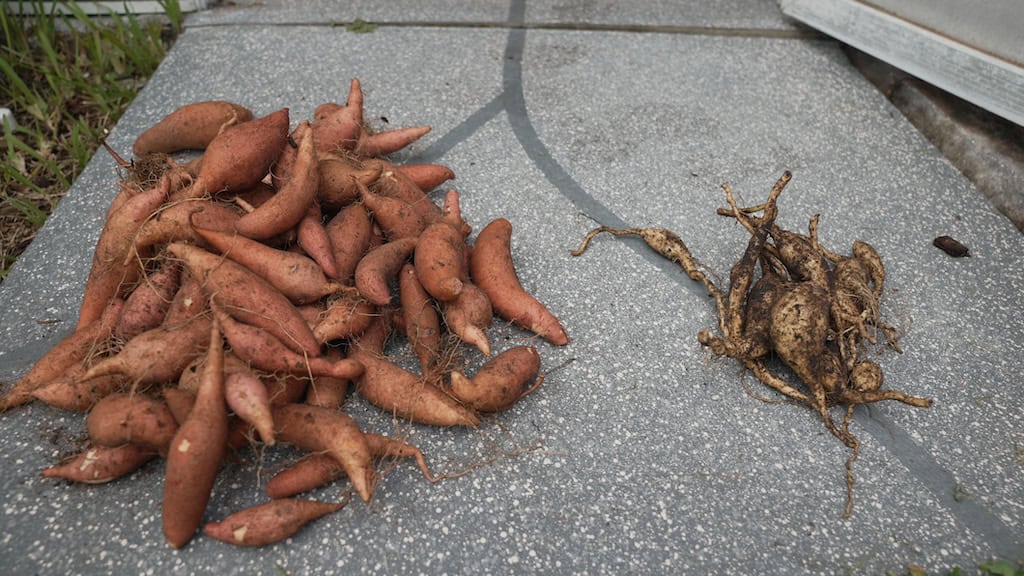
When I started looking at carbohydrates, I wasn’t just asking which crop had the most carbs. I also wanted to know which ones produced the most food, grew reliably in Florida, and could be replanted year after year without having to buy new seed.
For Florida, four crops stood out:
| Crop | Carbohydrate Content |
| Cassava | 38% |
| Taro | 26% |
| Yams | 24% |
| Sweet potatoes | 20% |
At first glance, cassava is the clear winner. Not only does it have the highest carbohydrate content, but it also produces an incredible amount of food. Cassava grows like a small tree, with large starchy roots developing underground. It’s also a perennial, so after harvesting the roots, you can save stem cuttings, replant them, and start the process again.
Yams would probably be my second choice. Like cassava, they produce large underground roots that provide a substantial harvest, although they also require a fairly long growing season.
Taro is another excellent option, but if I had to choose between taro and sweet potatoes, I’d reach for sweet potatoes every time.
Sweet potatoes may have the lowest carbohydrate percentage of the four, but they make up for it in several other ways. They’re usually ready to harvest in just four to six months, while many of the others can take six to twelve months or longer. They also give you an additional crop because the leaves are edible, providing nutritious greens while you’re waiting for the roots to mature.
Another advantage is that all four of these crops perform surprisingly well in less-than-perfect soil. If fertilizers or soil amendments became difficult to get, these are still crops I’d feel confident growing.
They’re also easy to keep going from year to year. Sweet potatoes can be cured and stored, then replanted later. Cassava can be propagated from stem cuttings. Taro and yams can also be saved for future planting. Once you’ve established them, you’re not constantly starting over.
If I had to narrow the list down for my own garden, I’d probably grow the most sweet potatoes and cassava. Cassava wins for sheer production, but sweet potatoes mature faster, provide edible greens, and have proven themselves to be one of the easiest, most dependable food crops I’ve ever grown.
The Best Protein Crops

Protein is one of the harder nutrients to produce in a backyard garden, but there are several crops that do an excellent job in Florida’s climate.
Here’s how they compare by protein content:
| Crop | Protein Content |
| Peanuts | 26% |
| Cowpeas (black-eyed peas) | 24% |
| Dry beans | 22% |
| Sunflower seeds | 20% |
| Amaranth | 14% |
If I were choosing crops based on more than just the numbers, cowpeas and peanuts would be at the top of my list.
Cowpeas are incredibly productive, and one of the things I love most about them is their versatility. You can harvest the young pods and eat them like green beans. You can shell them and eat them fresh like peas. Or you can let them dry completely on the plant and store the beans for months. Better yet, you can save some of those dried beans to plant again next season.
They’re also fast. Cowpeas mature in about three months and can be grown through much of Florida’s warm season, making them one of the most dependable protein crops you can have in the garden.
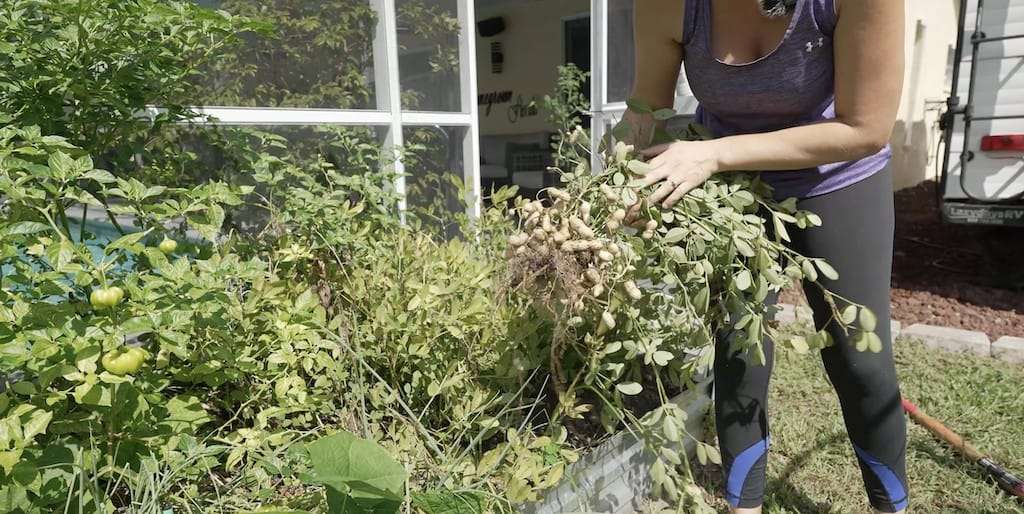
Peanuts take more patience. They usually need around six months before harvest, but they offer something very few garden crops do: they’re an excellent source of both protein and healthy fats. We’ll talk more about fats in the next section, but that alone makes peanuts worth the garden space.
Amaranth deserves an honorable mention. Most people think of it as an ancient grain, but it’s also a respectable source of protein. Once you plant it, there’s a good chance you’ll never have to plant it again because it self-seeds so aggressively. I planted amaranth years ago, and it still volunteers throughout my garden.
Sunflowers behave much the same way. They reseed readily, making them easy to keep growing year after year. While most people think only about harvesting the seeds, there’s another option. Before the sunflower head fully dries and the shell hardens, you can harvest the entire head, cook it, and eat it much like corn on the cob.
Dry beans are another great protein source, but they don’t make my personal top picks. They simply don’t fit Florida’s growing seasons as well. They’re happiest during our shoulder seasons and struggle once the intense summer heat arrives, which limits how long I can grow them.
For my own garden, I’d focus on cowpeas, peanuts, and amaranth. Together they produce reliable harvests, grow well in Florida’s climate, provide plenty of protein, and can all be saved and replanted for future seasons.
The Hardest Nutrient to Grow: Healthy Fats
If I had to grow all of my own food, I think healthy fats would be the hardest nutrient to produce.
There are several excellent sources, but some take many years before they ever produce a harvest, while others simply aren’t practical for every Florida gardener.
Here’s how they compare by fat content:
| Crop | Fat Content |
| Macadamia nuts | 75% |
| Pecans | 72% |
| Peanuts | 50% |
| Sunflower seeds | 40% |
| Avocados | 20% |
Looking strictly at the numbers, macadamia nuts and pecans are incredible. The problem is they’re both large trees that can take ten years or more before producing a meaningful harvest. If you’re planting with the long term in mind, they’re certainly worth considering, but they’re not a quick solution.
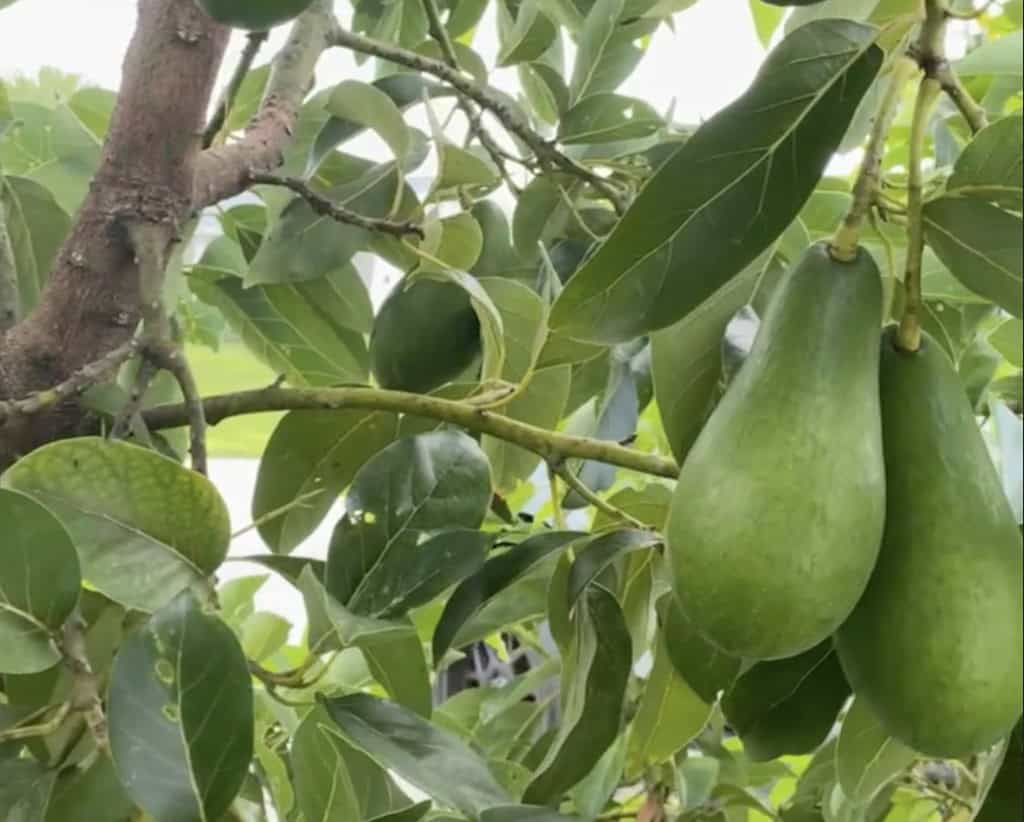
Avocados are much more realistic for many Florida gardeners. While they still require patience, a grafted tree can often begin producing in three to five years. That’s a much shorter wait than planting one from seed, which can easily take eight to ten years before producing fruit.
For me, though, avocados are right on the edge of what my climate will reliably support. I can grow them, but every cold winter becomes a gamble. If you live farther south, you’ll likely have much better success than I do.
The two crops that really stand out to me are peanuts and sunflowers.
Peanuts are already one of my favorite protein crops, but the fact that they’re also 50% fat makes them even more valuable. You’re getting two important nutrients from the same planting, and they grow well through Florida’s long, hot summers. While they take about six months to mature, they’re productive and don’t require rich soil to perform well.
Sunflowers offer another dependable fat source at 40%. They mature much faster than peanuts, often in about three to four months, and once you plant them, they have a habit of showing up year after year. Most of my sunflowers are volunteers that sprouted on their own after birds, squirrels, or my compost spread the seeds around the garden.
Both crops also make saving seed incredibly easy. Leave a few behind, and chances are you’ll have new plants next season without doing much work at all.
If I were designing a garden with long-term food production in mind, I’d absolutely grow peanuts and sunflowers. If my climate allowed it, I’d also include an avocado tree. The nut trees are fantastic options, but because of their size and the many years they require before producing, they wouldn’t be my first priority.
The Best Fruit Crops for Natural Sugar

When most people think about growing sugar, they naturally think of fruit trees.
I did too.
There are plenty of excellent fruit crops for Florida, but once I started comparing their sugar content, ease of growing, and long-term productivity, a few clear favorites emerged.
| Crop | Sugar Content |
| Mangoes | 15% |
| Mulberries | 14% |
| Figs | 14% |
| Citrus | 10% |
| Peaches | 8% |
| Berries | 5% |
Mangoes technically top the list, but they don’t make my personal garden anymore.
I’ve tried growing mangoes three different times, and every one of them eventually lost the battle with my winters. I’m right on the edge of where mangoes grow reliably. If you’re in South Florida or farther south than I am, they’re absolutely worth planting because they’re incredibly productive. You can even choose compact varieties like ‘Pickering’ if you don’t have room for a massive tree.
For my garden, though, mulberries and figs are the clear winners.
Mulberries are one of the most adaptable fruit trees you can grow. There are varieties that perform across almost the entire United States, making them useful far beyond Florida. I especially like the World’s Best and Thai Dwarf varieties because they’re productive without becoming overwhelming. Once established, they’ll provide tremendous harvests year after year with relatively little maintenance.
Figs have become another favorite of mine. They may pick up some fungal disease toward the end of summer, but because they’re deciduous, they naturally drop their leaves each winter and come back fresh the following spring. They dry beautifully for long-term storage, make excellent jams, and provide one of the highest sugar contents of any fruit I grow.
Citrus is a little more complicated.
I love growing oranges and mandarins, but citrus greening has made them much more work than they used to be. Keeping trees healthy often means staying on top of fertilizing, monitoring for pests, and managing disease. They’re still wonderful trees, but if I were choosing purely for reliability, figs and mulberries would move ahead of them.
Peaches are another fruit I enjoy growing, but they’re more demanding than many of the other options. If my goal was simply producing dependable food with the least amount of maintenance, they wouldn’t make my short list.
If I had to narrow everything down, my sugar crops would be figs and mulberries first. If I lived a little farther south where winters weren’t as much of a concern, I’d happily add mangoes to that list as well.
The Crops That Pack the Biggest Nutritional Punch

The last category I thought about wasn’t calories or protein. It was vitamins.
A lot of people automatically think of spinach when they want something nutritious, but traditional spinach isn’t always the best option in Florida. It grows beautifully during cooler weather, but once the heat arrives, it’s done. If I wanted a garden that continued producing for as much of the year as possible, I’d choose crops that actually thrive in our climate.
Chaya, sometimes called tree spinach, is one of those plants. Tropical spinaches are another excellent option. They continue producing through Florida’s heat when traditional spinach has long since bolted, and even if they die back during the winter, they’ll usually return when the weather warms up again.
Another plant that deserves a place in the garden is the Barbados cherry, also called the Acerola cherry. While most people think of it as just another fruit tree, it’s actually one of the richest natural sources of vitamin C you can grow. Citrus is well known for vitamin C, but if you’re looking for something that’s perfectly suited to warm climates, the Barbados cherry is hard to beat.
As much as I like both of those plants, there’s one that stands above everything else for me.
I’ve been growing moringa for years, and if I had to pick one plant based purely on nutrition, this would probably be it. The leaves are packed with vitamins and minerals, so much so that I actually dry them and make my own vitamin capsules. You can also add the fresh leaves to salads or smoothies, although I’ll admit I’m not the biggest fan of the flavor. Drying them makes them much easier for me to use consistently.
What makes moringa even more valuable is that it serves more than one purpose in the garden. Every year I cut mine back before winter, pile leaves over the stump, and let it regrow the following season. Any leaves I don’t eat become mulch, adding organic matter and nutrients back into the soil. It’s feeding both me and my garden at the same time.
Which Crops Would Actually Make My Final Garden?
After going through this exercise, I realized there are plenty of great crops, but only a handful would make my must-grow list.
If I wanted to produce the greatest amount of nutrition while reducing how much food I needed to buy, this is what I’d focus on:
- Sweet potatoes for dependable carbohydrates, edible greens, and relatively fast production.
- Cassava for maximum carbohydrate yield and tremendous harvests.
- Cowpeas because they’re productive, versatile, quick to mature, and easy to save for next season.
- Peanuts since they provide both protein and healthy fats.
- Sunflowers as another excellent source of healthy fats that readily reseed themselves.
- Mulberries because they’re productive, adaptable, and one of the easiest fruit trees to grow.
- Figs for their high sugar content, reliable harvests, and excellent storage potential.
- Moringa for its incredible nutritional value and ability to improve the soil.
- Chaya or another tropical spinach to provide leafy greens through Florida’s long growing season.
That doesn’t mean these are the only crops I’d grow. I’d still have tomatoes, peppers, herbs, and plenty of other vegetables because I enjoy growing them. But if my goal shifted from simply gardening to producing as much food as possible, these are the plants I’d build my garden around.
Grow With Purpose
The nice thing is we probably never have to live through a situation where we rely entirely on our gardens for food. If one crop fails, we can always pick it up at the grocery store. That’s one of the reasons gardening is so enjoyable. We get to experiment, try new varieties, and grow foods simply because we love them.
But I still think this is a worthwhile exercise.
It made me stop and ask what was actually earning its space in my garden. Which crops produced the most food? Which ones met real nutritional needs? Which ones could be replanted year after year? Which ones were worth dedicating valuable garden space to?
Those questions have changed the way I look at my garden.
I’m not interested in growing plants just for the sake of growing them anymore. I want every crop to have a purpose. Whether that purpose is feeding my family, preserving food for later, or producing enough to share with friends, I want each plant to earn its place.
That doesn’t mean your garden can’t include flowers, unusual vegetables, or something you’ve always wanted to try. Gardening should still be fun. But if you’re looking to make your garden more productive, thinking about your crops through the lens of nutrition, yield, and practicality is a great place to start.
For me, this wasn’t really an exercise about survival. It was an exercise in building a smarter garden. And I hope it gave you a few ideas for building yours.